
What You’ll Learn
In this article you’ll discover:
- Why peripheral neuropathy often affects balance
- Why some people feel unsteady even though they’re not dizzy
- How healthy nerves help you walk safely
- What you can do to reduce your risk of falling
- Why maintaining hope and staying active remain so important
Quick Answer
Yes.
Peripheral neuropathy can significantly affect balance.
Many people think balance depends only on the inner ear.
While the inner ear is important, it’s only one part of the system.
Healthy balance also depends on:
- Healthy nerves
- Healthy muscles
- Healthy joints
- Good vision
- The brain’s ability to process information quickly
When the nerves in your feet stop sending accurate information to your brain, your body loses one of its most important sources of feedback.
As a result, many people begin feeling:
- Unsteady
- Wobbly
- Less confident walking
- More cautious on uneven ground
- Afraid of falling
How Your Feet Help You Balance
Most people don’t realize how much information their feet send to the brain every second.
Every step tells your brain:
- How hard you’re pressing
- Whether you’re standing on concrete, grass, carpet, or gravel
- Whether your body is leaning
- How your weight is shifting
- Where your foot is located
Healthy nerves constantly provide this information without you ever thinking about it.
When neuropathy develops…
That communication becomes less reliable.
Your brain receives incomplete information.
Walking becomes more difficult.
Why People Often Say…
“It Feels Like I’m Walking in the Dark.”
This is actually a very accurate description.
Imagine trying to walk across your living room at night after the lights have gone out.
You naturally move more slowly.
You become more cautious.
You pay closer attention to every step.
Peripheral neuropathy creates a similar challenge.
Without normal sensation coming from the feet, your brain has less information to work with.
Many people compensate by watching the ground more carefully or walking more slowly.
Common Signs That Neuropathy Is Affecting Balance
You may notice:
- Feeling unsteady while walking
- Needing to watch your feet
- Difficulty walking on uneven ground
- Trouble climbing stairs
- Feeling less stable in the dark
- Holding onto furniture
- Increased fear of falling
- Walking with a wider stance
- Slower walking speed
These changes often develop gradually.
Many people don’t recognize them until a family member points them out.
Does Balance Always Continue to Get Worse?
Not necessarily.
One of the biggest misconceptions about neuropathy is that balance inevitably declines.
In reality…
Many factors influence balance.
These include:
- Muscle strength
- Flexibility
- Physical activity
- Vision
- Footwear
- Joint mobility
- Overall health
- The underlying cause of the neuropathy
This is one reason remaining physically active is often so important.
What Can You Do to Improve Balance?
Although every patient is different, many people benefit from:
- Regular walking
- Balance exercises
- Strength training
- Stretching
- Supportive footwear
- Home safety modifications
- Appropriate treatment of underlying medical conditions
Small improvements practiced consistently often become meaningful improvements over time.
One of the encouraging things I’ve observed throughout my career is that many people become more confident simply because they understand what is happening and begin working on the right things.
How We Evaluate Balance at Advanced Integrated Medical
Balance involves much more than simply watching someone walk.
Your evaluation may include:
- Neurological examination
- Sensory testing
- Strength assessment
- Balance evaluation
- Gait analysis
- Orthopedic examination
- Circulation assessment
- Review of previous testing
- Discussion of medical history
Understanding why balance has changed helps us develop individualized recommendations.
About Dr. Dee
Dr. D. Scott (“Dee”) Stevens has spent nearly four decades helping patients improve mobility, reduce pain, and maintain independence. His experience includes caring for professional, collegiate, and Olympic athletes as well as older adults whose primary goal is to continue living active, independent lives.
His philosophy is simple: movement builds confidence, education builds understanding, and individualized care creates the greatest opportunity for long-term success.
Dr. Dee’s Clinical Pearl
One of the saddest things I see is when people begin giving up activities they love because they’re afraid of falling.
They stop walking.
They stop traveling.
They stop gardening.
They stop attending family events.
Not because they can’t…
But because they’re afraid.
Fear is understandable.
But fear should never make all of your decisions.
Throughout my career I’ve watched many patients regain confidence—not because they became perfect—but because they understood their condition, improved their strength and balance, and learned how to move safely.
One of my goals is always to help people keep living life.
Not simply avoid falling.
The Hope Principle
One thing I want every patient to remember is this:
Balance is influenced by many different factors.
Even when neuropathy cannot be completely reversed, improving strength, flexibility, confidence, and stability may significantly improve your quality of life.
Never underestimate what small improvements can accomplish over time.
“I believe the best healthcare decisions are made when patients understand their condition. My job isn’t simply to treat symptoms—it’s to help you understand why they’re happening and what your options are.”
— Dr. D. Scott (“Dee”) Stevens
Frequently Asked Questions
Can neuropathy make me fall?
Yes. Reduced sensation in the feet may increase the risk of falls, particularly on uneven surfaces or in low-light conditions.
Why do I lose my balance more in the dark?
Without good vision, your brain relies even more on information from your feet. If neuropathy reduces that information, balance may become more challenging.
Should I stop walking if I feel unsteady?
Not necessarily. Remaining active is often beneficial, but your activity should be appropriate for your abilities and any balance limitations. Discuss an exercise plan with your healthcare provider.
Can balance exercises really help?
For many people, yes. Balance training may improve stability, confidence, and coordination.
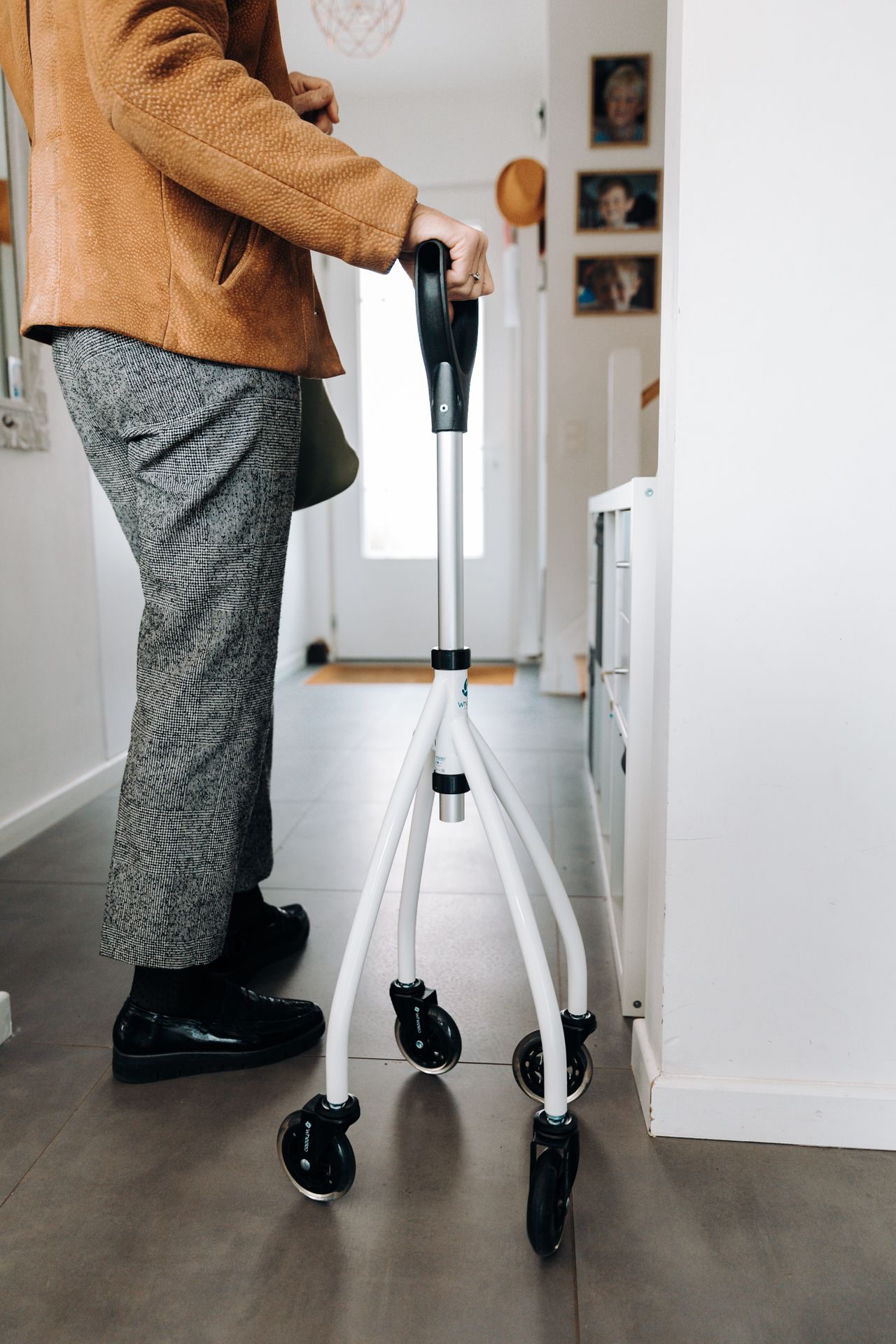
Is using a cane or walking stick a sign that I’m getting worse?
Not at all. Sometimes an assistive device improves safety and confidence while allowing you to stay active. Using one when appropriate can be a smart strategy—not a setback.
Key Takeaways
- Peripheral neuropathy commonly affects balance because the nerves in your feet help your brain know where your body is in space.
- Feeling unsteady is not always caused by dizziness.
- Balance often improves when multiple factors—including strength, flexibility, and confidence—are addressed.
- Staying active safely is usually better than becoming inactive out of fear.
- Education and realistic hope are important parts of maintaining independence.
Why Patients Choose Advanced Integrated Medical
At Advanced Integrated Medical, we understand that balance is about more than simply preventing falls.
It’s about preserving independence.
Our goal is to help patients understand why balance has changed, identify contributing factors, and develop individualized recommendations that support long-term mobility, confidence, and quality of life.
Every patient deserves a treatment plan built around their goals—not just their diagnosis.
Continue Exploring the Neuropathy Learning Center
You may also enjoy reading:
- What Are the First Signs of Peripheral Neuropathy?
- Why Do My Feet Burn at Night?
- What Causes Numbness in My Toes?
- Can Peripheral Neuropathy Be Reversed?
- Is Peripheral Neuropathy Always Caused by Diabetes?
- What Vitamins Are Important for Healthy Nerves?
- Does Exercise Help Peripheral Neuropathy?
- Will My Peripheral Neuropathy Continue to Get Worse?
- Why Do My Feet Feel Like I’m Walking on Rocks?
- Can Poor Circulation Cause Numbness in My Feet?
Medical Disclaimer
This article is intended for educational purposes only and should not replace evaluation or treatment by a qualified healthcare professional. If you experience sudden balance changes, severe weakness, difficulty speaking, facial drooping, or other signs of a medical emergency, seek immediate medical attention.
Ready to Learn More?
If you’ve noticed changes in your balance, don’t assume it’s simply a normal part of aging.
Understanding why your balance has changed is often the first step toward improving your confidence, protecting your independence, and reducing your risk of falls.
At Advanced Integrated Medical, we’re committed to helping patients understand their condition, explore their options, and move forward with knowledge, confidence, and realistic hope.