
Have I Waited Too Long to Seek Help for My Neuropathy?
Not Sure Where to Start?
Choose the description that best matches your symptoms:
🔥 My feet burn → Why Do My Feet Burn at Night?
👣 My feet are numb → What Causes Numbness in My Toes?
⚖️ I’m losing my balance → Can Peripheral Neuropathy Affect My Balance?
🧊 My feet feel cold → Why Are My Feet Cold Even When They Feel Warm?
🪨 It feels like I’m walking on rocks → Why Do My Feet Feel Like I’m Walking on Rocks?
What You’ll Learn
In this chapter you’ll discover:
- Whether it’s ever “too late” to seek help
- Why many people delay getting evaluated
- What can still be accomplished even after symptoms have been present for years
- Why early evaluation is beneficial—but later evaluation is still valuable
- How realistic hope can replace unnecessary regret
Quick Answer
One of the most heartfelt questions I hear is:
“Doctor…I should have come years ago. Is it too late?”
My answer is almost always the same.
It’s almost never too late to learn more about your condition.
Would I rather see patients early?
Absolutely.
Early evaluation often provides the greatest opportunity to identify contributing factors and begin appropriate treatment.
But many people come to my office after living with symptoms for years.
That doesn’t mean the visit isn’t worthwhile.
There may still be opportunities to improve comfort, balance, strength, function, safety, or quality of life.
Why Do People Wait?
In my experience, people delay seeking care for many different reasons.
Some believe:
“It’s probably just getting older.”
Others think:
“It will go away on its own.”
Some are simply busy caring for family or meeting the demands of work.
Others are afraid of hearing bad news.
Still others have been told,
“There’s nothing you can do.”
Whatever the reason, it’s important not to let yesterday keep you from making a good decision today.
What Can Still Be Accomplished?
Every patient is different.
Depending on the cause of your symptoms and your overall health, goals may include:
- Better understanding your diagnosis
- Improving balance
- Reducing your risk of falls
- Supporting healthier movement
- Improving sleep
- Managing contributing medical conditions
- Protecting your feet
- Preserving independence
- Improving quality of life
Progress looks different for every person.
The important thing is to begin where you are.
Why Earlier Is Usually Better
Although it’s rarely too late to seek answers, earlier evaluation is generally beneficial.
Identifying contributing factors sooner may allow earlier treatment, lifestyle changes, or referral when appropriate.
That’s one reason I encourage patients not to ignore persistent symptoms.
Avoid Living with Regret
One thing I never want patients to do is spend years thinking:
“If only I had come sooner.”
The past can’t be changed.
Today’s decision can.
Healthcare should focus on helping you move forward—not making you feel guilty about what has already happened.
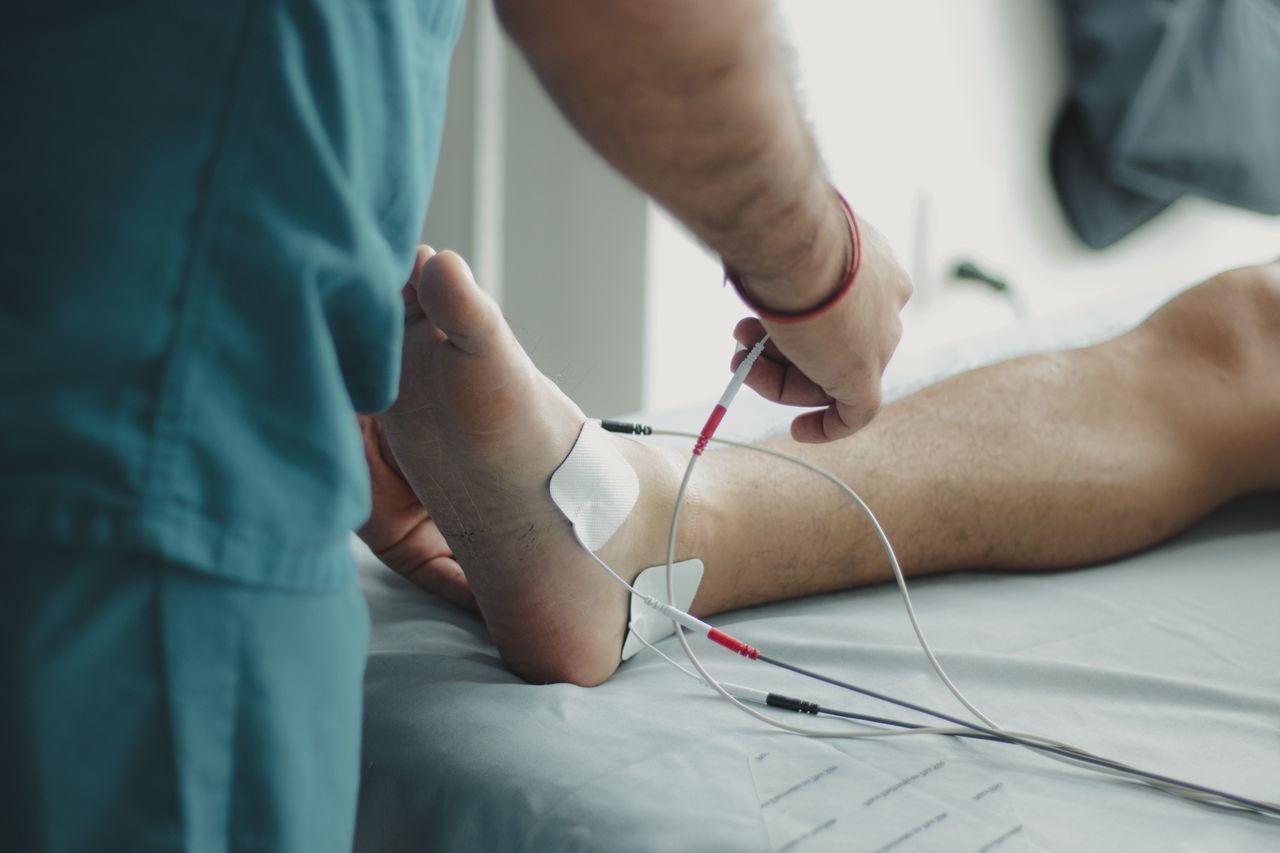
How We Evaluate Long-Standing Symptoms
At Advanced Integrated Medical, we understand that many people have been living with symptoms for a long time before seeking care.
Your evaluation may include:
- Medical history
- Neurological examination
- Sensory testing
- Balance evaluation
- Strength testing
- Orthopedic examination
- Circulation assessment
- Review of medications
- Review of previous testing or imaging
Regardless of how long you’ve had symptoms, our goal is to understand your current situation and discuss appropriate next steps.
About Dr. Dee
Dr. D. Scott (“Dee”) Stevens has spent nearly four decades helping patients understand chronic pain, peripheral neuropathy, musculoskeletal conditions, and regenerative medicine. Throughout his career, one lesson has remained constant:
People deserve encouragement—not judgment.
His philosophy is to meet patients where they are, help them understand their condition, and work together toward realistic goals.
Dr. Dee’s Clinical Pearl
One sentence I hear often is:
“I wish I had come sooner.”
My response is usually this:
“I’m glad you’re here today.”
We can’t change yesterday.
But we can learn from it.
I’ve seen patients make meaningful improvements after months…
Years…
Even decades of symptoms.
Every person’s journey is different.
The important thing is that they took the next step.
Dr. Dee’s Office Conversation
Patient: “Doctor, I feel like I’ve waited too long.”
Dr. Dee: “I understand why you feel that way. But let’s not spend our energy looking backward. Let’s spend it understanding where you are today and what opportunities still exist. My goal is to help you make the best decisions from this point forward.”
Facing One of the Biggest Fears
“I’m afraid I’ve missed my chance.”
That fear weighs heavily on many people.
Please remember…
Seeking help today is always better than continuing to wonder tomorrow.
Even if every symptom cannot be eliminated, understanding your condition may help you improve safety, preserve independence, reduce uncertainty, and make informed choices.
There is value in understanding.
There is value in planning.
There is value in hope.
Patient Success Principle #4
Start Where You Are
One of the greatest barriers to progress is believing you should have started sooner.
The best time to plant a tree may have been twenty years ago.
The second-best time is today.
The same principle often applies to healthcare.
Don’t let regret keep you from taking the next positive step.
Ask Dr. Dee
Question:
“Doctor, if I’ve had numb feet for five years, is there still any reason to come in?”
Answer:
Absolutely.
One of the most valuable things we can do is determine why you’re experiencing numbness. Even if symptoms have been present for several years, there may still be opportunities to improve function, reduce risk, protect your feet, and help you better understand your condition. Every patient deserves an individualized evaluation rather than assuming nothing can be done.
The Hope Principle
Hope doesn’t depend on when your symptoms began.
Hope depends on what you choose to do next.
Every day presents another opportunity to learn, improve, and make decisions that support your long-term health.
“I believe the best healthcare decisions are made when patients understand their condition. My job isn’t simply to treat symptoms—it’s to help you understand why they’re happening and what your options are.”
— Dr. D. Scott (“Dee”) Stevens
Frequently Asked Questions
Is it ever too late to seek help?
In most cases, no. An evaluation may still provide valuable information and help guide decisions, even if you’ve had symptoms for years.
Can long-standing neuropathy still be evaluated?
Yes. Understanding the underlying cause and current status of your condition remains important regardless of how long symptoms have been present.
Should I wait until my symptoms get worse?
No. Persistent symptoms generally deserve evaluation rather than waiting to see if they progress.
What if I’ve already seen another doctor?
It’s often helpful to bring previous records, imaging, or test results so they can be considered as part of your overall evaluation.
Will I be judged for waiting?
Absolutely not. Healthcare should focus on helping you move forward—not criticizing decisions you’ve already made.
Key Takeaways
- Earlier evaluation is generally beneficial, but later evaluation is still worthwhile.
- Many people delay seeking care for understandable reasons.
- Understanding your condition remains valuable at every stage.
- Regret should never prevent you from taking positive action today.
- Hope begins with taking the next step.
Why Patients Choose Advanced Integrated Medical
At Advanced Integrated Medical, we believe every patient deserves compassion, careful listening, and individualized care.
Whether your symptoms began last month or many years ago, our goal is to help you understand your condition, explore appropriate treatment options, and make informed decisions that support your health, independence, and quality of life.
Continue Exploring the Learning Center
Continue your journey with:
- What Are the First Signs of Peripheral Neuropathy?
- Why Do My Feet Burn at Night?
- Can Peripheral Neuropathy Be Reversed?
- Can Peripheral Neuropathy Affect My Balance?
- Is Peripheral Neuropathy a Normal Part of Aging?
- Why Is My Peripheral Neuropathy Worse at Night?
Medical Disclaimer
This article is intended for educational purposes only and should not replace evaluation or treatment by a qualified healthcare professional. If you have persistent or worsening symptoms, schedule an evaluation with an appropriate healthcare provider.
Ready to Learn More?
If you’ve been wondering whether you’ve waited too long, remember this:
The most important step isn’t looking backward—it’s deciding what you’ll do next.
At Advanced Integrated Medical, we’ll take time to understand your symptoms, answer your questions, and help you move forward with knowledge, realistic expectations, and hope.