
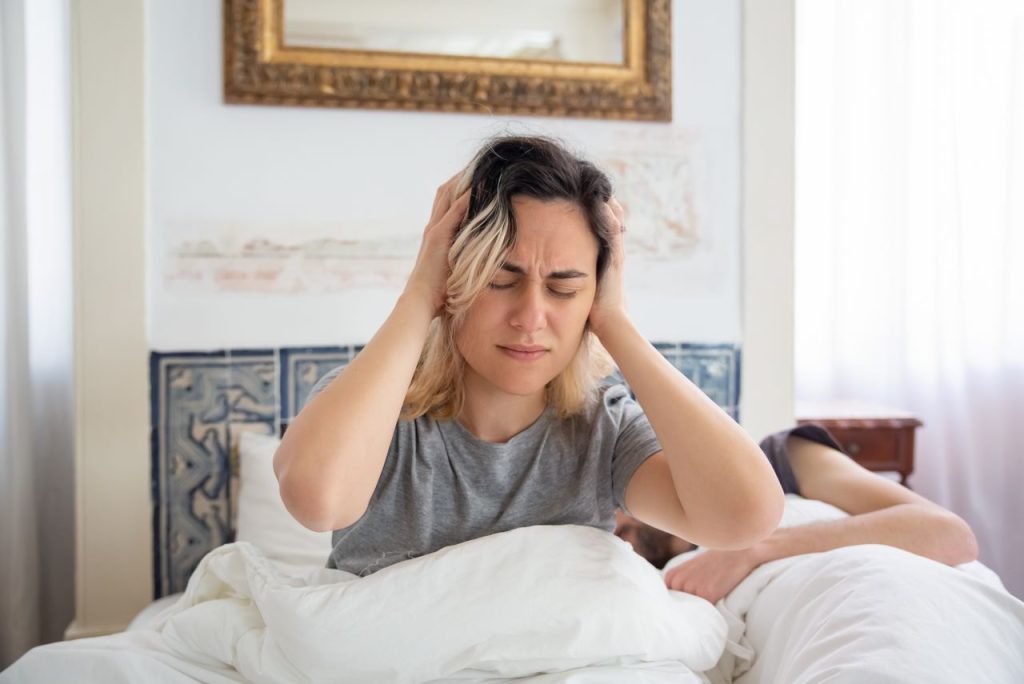
“Doctor, I Went to Bed Feeling Fine. Why Can’t I Turn My Head This Morning?”
Have you ever gone to bed feeling perfectly comfortable, only to wake up with a neck so stiff you could barely turn your head?
Maybe you rolled over during the night and felt a sharp pain.
Perhaps you woke up with a headache at the base of your skull.
Or maybe you discovered that turning your head to check traffic while driving had suddenly become difficult.
Patients sometimes describe the experience this way:
“Doctor, I must have slept wrong.”
Others tell me:
“I think my pillow is ruining my neck.”
And occasionally, a patient says:
“I didn’t do anything yesterday. Why does my neck hurt so much today?”
After nearly four decades of helping patients with spinal and musculoskeletal conditions, I’ve heard variations of these questions many times.
The good news is that most episodes of morning neck pain are not caused by a serious medical condition.
Often, the discomfort involves irritated muscles, joints, or other tissues that have become sensitive.
But sometimes recurring morning neck pain is associated with cervical arthritis, disc changes, or other conditions.
And occasionally, symptoms such as arm weakness, hand clumsiness, or balance problems suggest that a more thorough neurological evaluation is necessary.
At Advanced Integrated Medical, I believe patients deserve to understand the difference.
Because the goal isn’t simply to find a pillow that feels comfortable.
It’s to understand why the neck is hurting and what can be done to improve comfort, movement, and function.
Waking up with neck pain doesn’t necessarily mean you’ve damaged your spine—but recurring or worsening symptoms deserve attention.
Not Sure Where to Start?
Choose the question that sounds most like yours:
- My neck hurts in the morning but improves later. → See the sections on morning stiffness and cervical arthritis.
- I wake up with a stiff neck after sleeping awkwardly. → See the sections on sleeping positions and muscle irritation.
- My pillow seems to make my neck worse. → See the pillow selection guide.
- My neck pain causes headaches. → See the section on morning headaches.
- Pain travels into my shoulder or arm. → Explore What Is a Pinched Nerve in the Neck?
- My hands feel clumsy or my balance is worsening. → Explore What Is Cervical Spinal Stenosis?
- I want to know whether ice or heat is better. → See the temperature therapy section.
- I’m wondering whether chiropractic care could help. → See the treatment options below.
What You’ll Learn
In this chapter, we’ll discuss:
- Why neck pain may be worse upon waking
- The anatomy of the cervical spine
- How sleeping positions influence neck comfort
- Whether sleeping on your stomach is bad for your neck
- How to choose a pillow
- Pillow height and firmness
- Whether expensive orthopedic pillows are necessary
- Why cervical arthritis can cause morning stiffness
- Muscle strain and protective muscle spasm
- Cervical facet joints
- Disc-related neck pain
- Why morning headaches may accompany neck discomfort
- How to distinguish ordinary stiffness from neurological warning signs
- Safe morning movements and exercises
- Ice versus heat
- Chiropractic care and physical therapy
- When imaging is appropriate
- PRP and regenerative medicine
- When to seek medical evaluation
Quick Answer
Morning neck pain commonly occurs when the muscles, joints, or other tissues of the cervical spine become irritated or sensitive.
Possible contributing factors include:
- Sleeping in an uncomfortable position
- A pillow that doesn’t provide comfortable support
- Remaining in one position for a prolonged period
- Muscular tension
- Cervical joint irritation
- Degenerative cervical changes
- Other musculoskeletal conditions
However, morning neck pain does not automatically mean your pillow is defective or your spine has been damaged.
Many episodes improve with gentle movement, activity modification, and appropriate conservative care.
The best sleeping position is generally one that allows your neck to remain comfortable and supported—not one rigid position that everyone must use.
First, Let’s Understand Your Neck
Your cervical spine contains seven vertebrae:
C1 through C7
Between most of these vertebrae are intervertebral discs.
The cervical spine also contains:
- Facet joints
- Muscles
- Ligaments
- Tendons
- Spinal nerve roots
- The spinal cord
- Other supporting structures
These tissues work together to allow movement and support the head.
Your neck performs many movements throughout the day.
You turn your head while driving.
You look down at your phone.
You look up at shelves.
You read.
You work at a computer.
And then, at night, your neck remains in various positions while you sleep.
Why Does My Neck Hurt More in the Morning?
There isn’t one universal explanation.
Morning neck pain can occur for several reasons.
Reason #1: Remaining in One Position Too Long
Your body naturally changes positions during sleep.
However, you may still spend extended periods in a relatively fixed position.
For some people, this can contribute to temporary stiffness or discomfort.
The neck may feel better after gentle movement.
This doesn’t necessarily mean tissue damage occurred.
Reason #2: Muscular Irritation
Muscles surrounding the cervical spine help support and move the head.
These include:
- Upper trapezius
- Levator scapulae
- Sternocleidomastoid
- Deep cervical muscles
- Suboccipital muscles
When these tissues become sensitive, certain sleeping positions may feel uncomfortable.
Patients may experience:
- Stiffness
- Aching
- Tenderness
- Reduced range of motion
- Pain with turning the head
Reason #3: Cervical Facet Joint Irritation
Facet joints are small joints located toward the back of the spine.
They help guide spinal movement.
Like other joints, they can become painful.
Facet-related neck pain may be associated with:
- Localized neck discomfort
- Stiffness
- Pain with certain movements
- Referred pain toward the shoulder or upper back
However, symptoms alone cannot definitively establish facet joint pain.
Reason #4: Cervical Arthritis
Degenerative changes in the cervical spine become more common with age.
These changes are often described as:
Cervical Spondylosis
They may include:
- Disc degeneration
- Bone spur formation
- Facet joint changes
- Other age-associated structural changes
Some patients with cervical spondylosis experience morning stiffness.
Others have no symptoms.
Cervical arthritis on an X-ray does not automatically explain every episode of neck pain.
Reason #5: Cervical Disc Changes
Intervertebral discs help distribute forces between vertebrae.
Disc degeneration or herniation may contribute to neck symptoms in some patients.
However, disc changes are also common in people without pain.
A disc finding on imaging should be interpreted alongside the patient’s history and examination.
Reason #6: Head and Neck Position During Sleep
Some positions may place the neck in sustained rotation, flexion, or extension.
For example:
- Sleeping with the head turned sharply to one side
- Using several thick pillows
- Sleeping with the chin pushed toward the chest
- Sleeping with the head tilted upward
- Sleeping with inadequate support
These positions may aggravate symptoms in some individuals.
However, there is no single sleeping position that is best for everyone.
Is Sleeping on My Stomach Bad for My Neck?
Stomach sleeping often requires turning the head to one side.
For some patients, prolonged rotation may aggravate neck discomfort.
However, stomach sleeping does not automatically damage the cervical spine.
If you frequently wake up with neck pain while sleeping on your stomach, experimenting with a side-sleeping or back-sleeping position may be reasonable.
Is Sleeping on My Back Better?
Back sleeping can be comfortable for many patients.
A pillow that supports the head and neck without forcing excessive flexion or extension may help.
However, the best pillow height varies.
Some patients prefer a relatively thin pillow.
Others need additional support.
Is Sleeping on My Side Better?
Side sleeping is another common option.
The pillow should ideally support the head comfortably without allowing it to tilt excessively toward or away from the mattress.
However, the appropriate pillow height depends on:
- Shoulder width
- Mattress firmness
- Body proportions
- Personal comfort
Which Sleeping Position Is Best for Neck Pain?
There is no universally superior position.
However, many patients find back sleeping or side sleeping more comfortable than stomach sleeping when neck pain is present.
The goal is to reduce prolonged uncomfortable positioning.
Comfort, support, and the ability to sleep well matter more than following a rigid sleeping rule.
Can the Wrong Pillow Cause Neck Pain?
A pillow that places your neck in an uncomfortable position may contribute to symptoms.
However, pillow selection is only one factor.
Other contributors may include:
- Existing neck pain
- Muscle sensitivity
- Cervical joint changes
- Stress
- Sleep quality
- Daytime activity patterns
Changing pillows may help some patients.
But it is not a guaranteed solution.
How Do I Choose the Right Pillow?
The best pillow is one that provides comfortable support in your usual sleeping position.
Important factors include:
- Height
- Firmness
- Shape
- Material
- Mattress firmness
- Personal preference
Pillow Height: Why It Matters
A pillow that is too high may place the neck in excessive flexion.
A pillow that is too low may allow the head to tilt or extend uncomfortably.
However, there is no single ideal pillow height.
Your body proportions and sleeping position matter.
Pillow Firmness: Soft or Firm?
Some patients prefer soft pillows.
Others prefer firmer support.
The goal is to avoid a pillow that collapses excessively or creates uncomfortable pressure.
However, firmness alone does not determine whether a pillow is appropriate.
Are Memory Foam Pillows Better?
Memory foam pillows may provide comfortable support for some patients.
However, research does not establish that memory foam is universally superior to other pillow materials.
Some patients prefer latex, down, fiberfill, or other materials.
Are Cervical Contour Pillows Worth Trying?
Cervical contour pillows are designed to support the neck’s natural shape.
Some patients find them comfortable.
Others do not.
A contour pillow may be worth trying if your current pillow consistently aggravates symptoms.
However, it should not be considered a treatment that corrects cervical arthritis or repairs discs.
Do Expensive Pillows Work Better?
Not necessarily.
A higher price does not guarantee better neck support.
A moderately priced pillow that fits your sleeping position may be more comfortable than an expensive specialty pillow.
Choose a pillow based on comfort and support—not marketing claims.
How Can I Tell Whether My Pillow Is the Problem?
Ask yourself:
Do I wake up with neck pain only when using a particular pillow?
Does the pain improve when I sleep elsewhere?
Does my head feel tilted or unsupported?
Do I wake up repeatedly trying to reposition my pillow?
Does changing the pillow improve symptoms over several nights?
These observations may help.
However, persistent pain may require a broader evaluation.
Why Does My Neck Feel Stiff When I First Get Out of Bed?
Temporary morning stiffness may occur because tissues have remained relatively inactive during sleep.
Gentle movement may help restore comfortable motion.
However, prolonged morning stiffness may sometimes be associated with inflammatory or rheumatologic conditions.
If stiffness is persistent, severe, or accompanied by other systemic symptoms, medical evaluation may be appropriate.
Is Morning Neck Stiffness a Sign of Arthritis?
It can be.
But not always.
Morning stiffness may occur with:
- Muscular irritation
- Cervical joint changes
- Degenerative conditions
- Inflammatory conditions
- Other causes
The duration and pattern of stiffness can provide clues.
Why Does My Neck Hurt When I Turn My Head in the Morning?
Turning the head requires coordinated movement of cervical joints and muscles.
If these tissues are irritated or sensitive, rotation may be painful.
Some patients experience:
- Sharp pain
- Tightness
- A pulling sensation
- Reduced range of motion
However, severe or persistent symptoms deserve evaluation.
What Is a “Crick in the Neck”?
The phrase crick in the neck is commonly used to describe sudden stiffness or pain.
It is not a specific medical diagnosis.
Possible contributors include:
- Muscle irritation
- Joint sensitivity
- Protective muscle spasm
- Other musculoskeletal causes
Most uncomplicated episodes improve over time.
What Is Acute Torticollis?
Acute torticollis describes an abnormal or painful neck posture, sometimes accompanied by muscle spasm.
A patient may wake up with the head tilted or rotated and find movement difficult.
However, torticollis can have different causes.
Severe symptoms, trauma, fever, neurological changes, or persistent abnormal posture require medical evaluation.
Why Does My Neck Pain Cause a Headache?
Some headaches are associated with cervical structures.
These are sometimes called:
Cervicogenic Headaches
They may involve pain referred from the neck toward the head.
However, headaches have many possible causes.
Not every headache associated with neck pain is cervicogenic.
What Is a Cervicogenic Headache?
A cervicogenic headache is a headache attributed to a disorder involving cervical structures.
Symptoms may include:
- Pain beginning in the neck
- Pain extending toward the back or side of the head
- Headache associated with neck movement
- Reduced cervical range of motion
However, diagnosis requires appropriate clinical evaluation.
Can Poor Sleep Make Neck Pain Worse?
Yes.
Pain and sleep quality can influence each other.
Poor sleep may increase pain sensitivity.
And pain may interfere with sleep.
This can create a difficult cycle.
Improving sleep habits may help overall symptom management.
Can Stress Contribute to Morning Neck Pain?
Stress may contribute to muscle tension and altered pain sensitivity.
Some patients notice increased neck and shoulder tightness during stressful periods.
However, stress should not automatically be blamed for persistent or unexplained symptoms.
Can Teeth Grinding Cause Morning Neck Pain?
Bruxism, or teeth grinding, may contribute to jaw discomfort and headaches.
Some patients also experience associated neck muscle tension.
However, neck pain has many possible causes.
Patients with jaw symptoms may benefit from dental evaluation.
Can Sleep Apnea Be Related to Morning Headaches?
Yes.
Sleep apnea can be associated with morning headaches and poor sleep quality.
However, morning headaches are not specific to sleep apnea.
Patients with loud snoring, witnessed breathing pauses, or significant daytime sleepiness should discuss these symptoms with a healthcare professional.
When Is Morning Neck Pain More Than a Simple Sleeping Problem?
Most episodes are not emergencies.
However, certain symptoms deserve prompt evaluation.
These include:
- Progressive arm weakness
- Persistent numbness
- Hand clumsiness
- Balance problems
- Walking difficulty
- Severe or unusual headaches
- Fever
- Significant trauma
- Other concerning neurological symptoms
Can a Pinched Nerve Cause Morning Neck Pain?
Yes.
Cervical radiculopathy may cause neck pain along with radiating arm symptoms.
Possible symptoms include:
- Pain traveling into the shoulder or arm
- Tingling
- Numbness
- Weakness
- Reflex changes
However, isolated morning stiffness does not establish cervical radiculopathy.
Can Cervical Spinal Stenosis Cause Morning Neck Pain?
Yes.
Some patients with cervical stenosis experience neck discomfort.
However, spinal canal narrowing may also occur without pain.
The more important concern is whether spinal cord dysfunction is present.
Symptoms such as hand clumsiness, balance problems, and walking changes require prompt evaluation.
What Can I Do When I Wake Up With a Stiff Neck?
For uncomplicated symptoms, gentle movement may help.
However, exercises should not be forced.
If symptoms include significant neurological deficits or other warning signs, medical evaluation is more important than home exercises.
Gentle Morning Neck Movement Routine
The following movements may be appropriate for some patients with uncomplicated mechanical neck stiffness.
Perform them slowly and within a comfortable range.
Stop if symptoms worsen.
Exercise #1: Gentle Neck Rotation
Slowly turn your head to one side.
Return to center.
Then turn toward the other side.
Avoid forcing the movement.
Suggested starting point: 5 comfortable repetitions per side.
Exercise #2: Gentle Neck Flexion and Extension
Slowly lower your chin slightly toward your chest.
Return to a neutral position.
Then gently look upward only as far as comfortable.
Avoid excessive extension.
Suggested starting point: 5 repetitions.
Exercise #3: Shoulder Rolls
Slowly roll your shoulders backward.
Then forward.
This may help reduce associated shoulder and upper-back tension.
Suggested starting point: 5–10 repetitions.
Exercise #4: Shoulder Blade Squeezes
Gently draw your shoulder blades toward each other.
Hold briefly.
Relax.
Avoid excessive arching.
Suggested starting point: 5–10 repetitions.
Exercise #5: Gentle Chin Retraction
While looking forward, gently draw your chin backward.
Avoid forcing the movement.
This exercise may help some patients improve neck movement tolerance.
Suggested starting point: 5 repetitions.
Important Exercise Precautions
Stop exercising and seek medical advice if movements produce:
- Increasing arm pain
- New tingling
- New numbness
- Weakness
- Dizziness
- Visual disturbances
- Other unusual neurological symptoms
Patients with suspected cervical myelopathy, instability, or other serious conditions should not begin neck exercises without appropriate medical guidance.
Ice or Heat: Which Is Better for Morning Neck Pain?
This is one of the most common questions I hear.
For morning stiffness, many patients prefer heat.
However, ice may also provide temporary relief.
There is no universal rule that one must be used before the other.
When Might Heat Be Better?
Heat may be comfortable when symptoms involve:
- Morning stiffness
- Muscle tightness
- General aching
- Difficulty relaxing tense muscles
A comfortably warm pack may be used for approximately 15–20 minutes.
Avoid excessive heat.
Do not sleep on a heating pad.
When Might Ice Be Better?
Some patients prefer ice during a painful flare-up.
Cold therapy may temporarily reduce pain sensitivity in superficial tissues.
However, ice has not been proven to repair cervical discs or reverse nerve compression.
How Should I Apply Ice Safely?
A practical approach is:
- Wrap a cold pack in a thin towel.
- Apply it over the painful neck or upper shoulder region.
- Begin with approximately 10–15 minutes.
- Remove the pack and allow the skin to return to normal temperature.
- Repeat later if needed and if the skin tolerates it.
Never apply ice directly to the skin.
Do not fall asleep with a cold pack in place.
Avoid placing cold packs in a way that compresses the throat.
Important Precautions for Patients With Neuropathy
Some patients with neck pain also have peripheral neuropathy or reduced sensation.
They may not accurately detect excessive cold or heat.
This increases the risk of skin injury.
Patients with impaired circulation or certain temperature-sensitive conditions may also require special precautions.
If you have reduced sensation or impaired circulation, seek professional guidance before using ice or heat.
Ice vs. Heat for Morning Neck Pain
| Situation | Ice | Heat |
| Morning stiffness | May help some patients | Often preferred |
| Muscle tightness | Sometimes helpful | Often preferred |
| Painful flare-up | May provide temporary comfort | May also help |
| Cervical arthritis discomfort | May provide temporary comfort | May provide temporary comfort |
| Disc-related neck pain | Does not repair discs | Does not repair discs |
| Nerve-root compression | Does not reverse compression | Does not reverse compression |
| Reduced temperature sensation | Requires special caution | Requires special caution |
The best choice depends on comfort and safety.
What Treatments Can Help Recurring Morning Neck Pain?
Treatment depends on the underlying cause.
Treatment #1: Sleeping Position Adjustments
Some patients benefit from experimenting with:
- Back sleeping
- Side sleeping
- Different pillow heights
- Different pillow firmness
- More comfortable neck support
However, there is no single ideal position for everyone.
Treatment #2: Exercise and Rehabilitation
Selected exercises may help improve:
- Neck movement tolerance
- Muscular endurance
- Shoulder function
- Upper-back strength
- General conditioning
Exercise should be individualized.
Treatment #3: Physical Therapy
Physical therapy may include:
- Therapeutic exercise
- Movement education
- Strengthening
- Selected manual therapy
- Functional rehabilitation
The best approach depends on the diagnosis.
Treatment #4: Chiropractic Care
Some patients with mechanical neck pain may benefit from selected chiropractic approaches.
Treatment may include:
- Gentle mobilization
- Selected manual therapy
- Exercise recommendations
- Posture and movement education
- Other conservative strategies
However, spinal manipulation is not appropriate for every patient.
Is Cervical Manipulation Safe for Morning Neck Pain?
Cervical manipulation requires careful screening.
Temporary soreness may occur.
Serious adverse events have also been reported.
High-velocity cervical manipulation has been associated with cervical artery dissection and stroke, although the exact causal relationship and absolute risk remain uncertain.
Patients should understand the potential benefits, risks, and alternatives.
High-velocity cervical manipulation should be avoided when cervical myelopathy, significant spinal cord compression, instability, or other serious conditions are suspected.
Treatment #5: Medications
A prescribing clinician may recommend medications when appropriate.
The choice depends on:
- Medical history
- Symptom severity
- Other health conditions
- Potential adverse effects
Medications may provide symptom relief but do not necessarily address every contributing factor.
Treatment #6: PRP and Regenerative Medicine
At Advanced Integrated Medical, we recognize the growing interest in regenerative medicine.
One approach being investigated for selected musculoskeletal and spinal conditions is:
Platelet-Rich Plasma (PRP)
PRP is prepared from a sample of the patient’s own blood.
The blood is processed to produce a preparation containing an increased concentration of platelets.
Platelets contain growth factors and other biologically active substances involved in tissue signaling and repair processes.
Researchers are studying PRP for selected spinal pain conditions.
However, the evidence varies substantially by diagnosis and injection technique.
Can PRP Help Morning Neck Pain?
At present, there is insufficient high-quality clinical evidence to establish PRP as an effective routine treatment for nonspecific morning neck pain.
Most morning neck pain does not require injection-based treatment.
The first priority is identifying the cause.
Can PRP Help Cervical Arthritis?
Research involving PRP for selected spinal joint conditions remains limited.
PRP has not been established as a standard treatment for cervical facet arthritis.
And it has not been proven to reverse degenerative cervical changes.
Can PRP Repair Cervical Discs?
PRP has not been proven to reliably regenerate cervical discs, restore normal disc height, or reverse cervical disc degeneration.
Research involving intradiscal PRP remains investigational.
Can PRP Regenerate a Pinched Cervical Nerve?
There is insufficient high-quality clinical evidence to conclude that PRP reliably regenerates damaged cervical nerve roots.
PRP has not been proven to reverse nerve-root compression.
Are PRP Injections Around the Cervical Spine Risk-Free?
No.
The cervical region contains:
- The spinal cord
- Spinal nerve roots
- Important blood vessels
- Other sensitive structures
Potential risks may include:
- Bleeding
- Infection
- Neurological injury
- Vascular injury
- Other procedure-specific complications
Cervical spinal injections require specialized training, careful patient selection, sterile technique, and appropriate imaging guidance.
Is PRP FDA-Approved for Cervical Disc Regeneration?
No PRP injection has been established as an FDA-approved treatment for regenerating cervical discs or nerve roots.
Certain PRP preparation devices may have FDA clearance for specific processing purposes.
However, device clearance does not establish that a particular PRP injection is approved or proven effective for cervical disc regeneration.
What About Wharton’s Jelly and Umbilical Cord–Derived Products?
Some clinics market umbilical cord–derived products, including preparations described as Wharton’s jelly, for spinal and neurological conditions.
These products are different from PRP.
They should not automatically be described as stem-cell treatments.
Their contents, manufacturing methods, and regulatory status can vary.
Importantly, there are no FDA-approved umbilical cord–derived regenerative products for treating nonspecific neck pain, cervical arthritis, cervical disc degeneration, or cervical radiculopathy.
Individual patient improvement or clinical experience does not establish that these products regenerate cervical discs or nerves.
Because of important safety, effectiveness, and regulatory considerations, they should not be presented as established treatments for cervical spinal disorders.
At Advanced Integrated Medical, we believe patients deserve clear information about the difference between emerging research and established clinical treatments.
Dr. Dee’s Clinical Pearl: Regenerative Medicine and Morning Neck Pain
A patient may ask:
“Doctor, could PRP fix the arthritis in my neck?”
My response begins with an important distinction.
PRP is being studied for selected spinal conditions.
But research has not established that PRP reliably reverses cervical arthritis or regenerates cervical discs.
Before considering any injection, we need to understand:
What is causing the pain?
Is the problem muscular, joint-related, or neurological?
Are there warning signs?
What conservative treatments have been tried?
What evidence supports the proposed treatment?
The right treatment begins with the right diagnosis—not simply choosing the newest technology.
When Should Imaging Be Considered?
Imaging may be appropriate when:
- Significant trauma occurred
- Neurological deficits are present
- Serious pathology is suspected
- Symptoms persist despite appropriate care
- Imaging would change treatment decisions
Routine imaging is not necessary for every episode of uncomplicated morning neck pain.
What Can X-Rays Show?
X-rays may reveal:
- Cervical alignment
- Degenerative changes
- Bone spurs
- Certain structural abnormalities
However, X-rays do not directly show spinal nerve roots or the spinal cord.
What Can MRI Show?
MRI may help evaluate:
- Cervical discs
- Spinal nerve roots
- The spinal cord
- Spinal canal narrowing
- Other soft tissues
MRI is particularly important when spinal cord dysfunction is suspected.
What Can I Do to Prevent Morning Neck Pain?
There is no guaranteed prevention strategy.
However, several habits may help.
Choose a Comfortable Pillow
Experiment with height and firmness.
Avoid Prolonged Uncomfortable Positions
Adjust your sleeping position if a particular posture consistently aggravates symptoms.
Stay Physically Active
Regular movement may support musculoskeletal health.
Strengthen the Neck and Upper Back
Appropriate exercises may improve muscular endurance and function.
Manage Stress
Stress management may help some patients with muscle tension and sleep quality.
Address Sleep Problems
Persistent poor sleep may contribute to increased pain sensitivity.
When Should I See a Healthcare Professional?
Consider evaluation when:
- Morning neck pain is persistent
- Symptoms are worsening
- Pain repeatedly disrupts sleep
- There is significant loss of movement
- Pain travels into the arm
- Numbness or tingling persists
- Weakness develops
- Headaches are unusual or severe
When Is Morning Neck Pain an Emergency?
Most morning neck pain is not an emergency.
However, seek emergency care for:
- Sudden severe unusual neck pain or headache with neurological symptoms
- Stroke-like symptoms
- Significant trauma with neurological findings
- Rapidly progressive weakness
- Fever with severe headache, neck stiffness, or altered mental status
- Sudden major loss of walking ability
These symptoms may indicate serious neurological, vascular, infectious, or traumatic conditions.
How We Evaluate Morning Neck Pain at Advanced Integrated Medical
At Advanced Integrated Medical, I believe recurring morning neck pain deserves a thoughtful evaluation.
We want to know:
Does the pain occur every morning?
Does it improve with movement?
Does a particular pillow make it worse?
What sleeping position do you use?
Is there muscular tenderness?
Are cervical joints involved?
Could arthritis be contributing?
Is pain traveling into the arm?
Are there neurological symptoms?
Could cervical stenosis or myelopathy be present?
Would imaging change treatment decisions?
Depending on the findings, the evaluation may include:
- Cervical range of motion
- Muscle assessment
- Orthopedic testing
- Neurological screening
- Review of sleeping habits
- Review of existing imaging
When appropriate, additional imaging or specialist referral may be recommended.
About Dr. Dee
Dr. D. Scott (“Dee”) Stevens has spent nearly four decades helping patients with spinal pain, joint conditions, and nerve-related symptoms.
Throughout his career, he has worked with patients from many backgrounds, including professional, collegiate, and Olympic athletes.
One thing I’ve learned is that patients often assume the last thing they did must have caused their pain.
A patient wakes up with neck pain and says:
“I must have slept wrong.”
Sometimes sleeping position may contribute.
But sometimes the neck was already sensitive, and sleep simply made the discomfort more noticeable.
That’s why I believe we should look beyond the pillow.
Dr. Dee’s Clinical Pearl
A patient may ask:
“Doctor, what’s the best pillow for neck pain?”
My response is:
“The best pillow is the one that supports your head and neck comfortably in your usual sleeping position.”
A pillow doesn’t need to be expensive.
It doesn’t need to have a complicated design.
And it doesn’t need to force your neck into a particular shape.
Comfortable support matters more than marketing claims.
Dr. Dee’s Office Conversation
The following is an illustrative conversation, not an actual patient testimonial.
Patient: “Doctor, I wake up every morning with a stiff neck.”
Dr. Dee: “Does the stiffness improve after you’ve been moving around?”
Patient: “Usually, yes.”
Dr. Dee: “That can happen with several musculoskeletal conditions. Let’s examine your neck and see what may be contributing.”
Patient: “Should I buy one of those expensive cervical pillows?”
Dr. Dee: “Not necessarily. A comfortable pillow that supports your neck may be enough.”
Patient: “Should I use ice or heat?”
Dr. Dee: “For morning stiffness, many patients prefer heat. But ice may also provide temporary comfort.”
Patient: “Could an adjustment help?”
Dr. Dee: “Selected conservative treatments may help some patients, but we first need to make sure there are no neurological or other warning signs.”
Patient: “What about PRP?”
Dr. Dee: “PRP is being studied for selected spinal conditions, but it hasn’t been proven to reverse cervical arthritis or repair discs. Most uncomplicated morning neck pain doesn’t require injections.”
Facing One of the Biggest Fears
“Does Waking Up With Neck Pain Mean My Spine Is Wearing Out?”
This is a common concern.
A patient may experience recurring morning stiffness and worry that the cervical spine is deteriorating.
But pain does not always correspond directly to structural damage.
Degenerative changes are common with age.
And many people with those changes have little or no pain.
The important questions are:
How is your neck functioning?
Are symptoms improving?
Are neurological signs present?
Are there warning signs?
Morning neck pain doesn’t automatically mean your spine is wearing out—but persistent symptoms deserve an appropriate evaluation.
Back & Spine Health Success Principle #11
Support Your Neck—Don’t Chase the Perfect Pillow
Patients sometimes spend hundreds of dollars trying to find the perfect pillow.
But there is no universal pillow that works for everyone.
The goal is to find comfortable support.
Ask yourself:
Does the pillow keep my head comfortably supported?
Does it work with my sleeping position?
Does it reduce uncomfortable neck positioning?
Am I sleeping well?
Are symptoms improving?
The best pillow isn’t necessarily the most expensive one—it’s the one that helps you sleep comfortably.
Ask Dr. Dee
“Doctor, should I sleep on my back, side, or stomach if I have neck pain?”
There isn’t one perfect position for everyone.
However, many patients find back sleeping or side sleeping more comfortable when neck pain is present.
Stomach sleeping often requires prolonged neck rotation, which may aggravate symptoms in some people.
My recommendation is to experiment with comfortable positions and appropriate pillow support.
If symptoms persist, a clinical evaluation may help identify other contributing factors.
A Lesson I’ve Learned in Nearly 40 Years
Sometimes the Simplest Changes Make the Biggest Difference
Over the years, I’ve seen patients become convinced they need an expensive pillow, a complicated device, or an advanced treatment to solve their neck pain.
But sometimes the most useful changes are simple.
A more comfortable pillow.
A different sleeping position.
Gentle morning movement.
An appropriate exercise program.
Better sleep habits.
And, when needed, a careful clinical evaluation.
Of course, not every case is simple.
But I believe we should begin with the least invasive reasonable options before considering more complex treatments.
Good healthcare doesn’t always begin with advanced technology. Sometimes it begins with understanding the basics.
The Hope Principle
Waking up with neck pain can be frustrating.
It may interfere with:
- Driving
- Working
- Sleeping
- Exercise
- Daily activities
- Overall quality of life
But most uncomplicated episodes improve.
And recurring symptoms can often be evaluated and managed with appropriate care.
The important thing is identifying the cause, recognizing warning signs, and choosing reasonable treatment options.
A stiff neck in the morning doesn’t have to define the rest of your day—or your future.
“I believe the best healthcare decisions are made when patients understand their condition. My job isn’t simply to treat symptoms—it’s to help you understand why they’re happening and what your options are.”
— Dr. D. Scott (“Dee”) Stevens
Frequently Asked Questions
- Why does my neck hurt when I wake up?
Morning neck pain may result from muscular irritation, joint sensitivity, uncomfortable sleeping positions, cervical arthritis, or other conditions.
- Can sleeping wrong cause neck pain?
An uncomfortable sleeping position may contribute to temporary neck pain or stiffness.
- Is stomach sleeping bad for my neck?
It may aggravate symptoms in some people because the head is often turned to one side for prolonged periods.
- Is sleeping on my back better for neck pain?
Back sleeping is comfortable for many people, but the best position varies.
- Is side sleeping good for neck pain?
Side sleeping may be comfortable when the pillow provides appropriate support.
- What pillow is best for neck pain?
The best pillow is one that comfortably supports the head and neck in your usual sleeping position.
- Are cervical contour pillows better?
Some patients find them helpful, but they are not universally superior.
- Are expensive pillows worth the money?
Not necessarily. Price does not guarantee comfort or better outcomes.
- Can cervical arthritis cause morning stiffness?
Yes. Degenerative cervical changes may contribute to stiffness in some patients.
- Can a herniated disc cause morning neck pain?
Yes, but disc changes are also common in people without symptoms.
- Why does my neck hurt when I turn my head?
Pain may occur when cervical muscles, joints, or other tissues are irritated or sensitive.
- What is a crick in the neck?
It is a common expression describing sudden neck stiffness or pain, not a specific medical diagnosis.
- Can neck pain cause headaches?
Yes. Some headaches are associated with cervical structures, although headaches have many possible causes.
- Should I use ice or heat?
Either may provide temporary comfort. Heat is often preferred for stiffness, but individual responses vary.
- Can chiropractic treatment help morning neck pain?
Selected conservative approaches may help some patients, but treatment should follow an appropriate evaluation.
- Can PRP repair cervical arthritis?
PRP has not been proven to reverse cervical arthritis or regenerate cervical discs.
- Do I need an MRI?
Not necessarily. MRI may be appropriate when neurological deficits, suspected serious conditions, or persistent symptoms would change management.
- When should I seek emergency care?
Sudden severe unusual neck pain or headache with neurological symptoms, stroke-like symptoms, significant trauma with neurological findings, or fever with severe headache and neck stiffness requires emergency evaluation.
Key Takeaways
- Morning neck pain is common.
- Most uncomplicated episodes are not caused by serious disease.
- Sleeping position may contribute to symptoms.
- Pillow height and firmness can influence comfort.
- There is no universally perfect sleeping position.
- Back sleeping and side sleeping may be more comfortable for some patients.
- Stomach sleeping may aggravate symptoms because of prolonged neck rotation.
- Expensive pillows are not necessarily better.
- Cervical arthritis may contribute to morning stiffness.
- Disc changes are common even in people without pain.
- Gentle movement may help uncomplicated stiffness.
- Ice and heat may provide temporary comfort.
- Neither ice nor heat repairs discs or reverses nerve compression.
- Patients with reduced sensation should use temperature therapies cautiously.
- Exercise and rehabilitation may help selected patients.
- Chiropractic care may be appropriate for some patients after proper screening.
- High-velocity cervical manipulation is not appropriate for every patient.
- PRP has not been proven to reverse cervical arthritis or regenerate cervical discs.
- Umbilical cord–derived regenerative products are not FDA-approved for cervical spinal disorders.
- Progressive weakness, hand clumsiness, and balance problems require prompt evaluation.
- The goal is comfortable sleep, improved movement, and appropriate treatment—not finding a mythical perfect pillow.
Why Patients Choose Advanced Integrated Medical
At Advanced Integrated Medical, we believe patients deserve a thoughtful evaluation of recurring neck pain.
We want to understand:
Does the pain occur every morning?
Does it improve with movement?
Does a particular pillow make it worse?
What sleeping position do you use?
Could muscular irritation be contributing?
Could cervical arthritis be involved?
Is pain traveling into the arm?
Are there neurological symptoms?
Could cervical stenosis or myelopathy be present?
Would imaging change treatment decisions?
Would exercise or rehabilitation help?
Could ice or heat provide safe temporary relief?
Is chiropractic treatment appropriate?
What evidence supports any proposed injection-based treatment?
Our goal is to help patients understand their condition and make informed decisions about their care.
Continue Exploring the Back, Neck & Sciatica Learning Center
You may also want to read:
- Article #66: Why Does My Lower Back Hurt? Understanding the Most Common Causes of Back Pain
- Article #67: What Is Sciatica, and What Causes It? Understanding Pain That Travels Down Your Leg
- Article #68: What Is a Bulging or Herniated Disc—and Does It Always Cause Pain?
- Article #69: What Is Lumbar Spinal Stenosis—and Why Do My Legs Hurt When I Walk?
- Article #70: Why Does My Back Hurt When I Sit? Understanding Disc Pain, Posture, and Prolonged Sitting
- Article #71: Can Chiropractic Treatment Help Lower Back Pain? What the Research Really Says
- Article #72: How Many Chiropractic Treatments Will I Need for Lower Back Pain?
- Article #73: Why Does My Neck Hurt? Understanding the Most Common Causes of Neck Pain
- Article #74: What Is a Pinched Nerve in the Neck? Understanding Cervical Radiculopathy, Arm Pain, and Hand Numbness
- Article #75: What Is Cervical Spinal Stenosis? Understanding Spinal Cord Compression, Hand Clumsiness, and Balance Problems
Medical Disclaimer
This article is intended for educational purposes only and does not replace individualized medical diagnosis or treatment.
Morning neck pain may result from muscular, joint-related, disc-related, neurological, inflammatory, vascular, infectious, or other medical conditions.
Patients with progressive weakness, persistent numbness, hand clumsiness, balance problems, walking difficulty, severe unusual headaches, fever, or significant trauma should seek appropriate medical evaluation.
Cervical myelopathy and significant spinal cord compression require prompt assessment.
High-velocity cervical manipulation may be inappropriate in patients with suspected cervical artery dissection, spinal cord compression, progressive neurological deficits, instability, fracture, infection, or other serious conditions.
High-velocity cervical manipulation has been associated with cervical artery dissection and stroke, although the exact causal relationship and absolute risk remain uncertain.
Ice and heat may provide temporary symptom relief but are not established methods of repairing cervical discs or reversing nerve-root compression. Patients with reduced sensation, peripheral neuropathy, impaired circulation, or certain temperature-sensitive conditions should seek professional guidance before using thermal therapies.
PRP injections for cervical spinal conditions remain investigational. PRP has not been proven to regenerate cervical discs, reverse cervical arthritis, or repair cervical nerve roots.
FDA clearance of a PRP preparation device does not establish FDA approval of PRP as a treatment for cervical disc regeneration.
Umbilical cord–derived regenerative products are not FDA-approved for treating nonspecific neck pain, cervical arthritis, cervical disc degeneration, or cervical radiculopathy.
Exercise, rehabilitation, medications, injections, and surgery are not appropriate for every patient.
Sudden severe unusual neck pain or headache with neurological symptoms, stroke-like symptoms, significant trauma with neurological findings, rapidly progressive weakness, or fever with severe headache and neck stiffness may indicate a medical emergency and require immediate evaluation.
Treatment decisions should be individualized based on the patient’s history, examination, neurological findings, imaging when appropriate, medical conditions, available evidence, and preferences.
Ready to Learn More?
If you wake up with a stiff or painful neck, don’t automatically assume:
“I must have damaged my neck while sleeping.”
Or:
“I need to buy the most expensive pillow I can find.”
Instead, ask:
Could my sleeping position be contributing?
Does my pillow provide comfortable support?
Could muscular irritation or cervical arthritis be involved?
Does gentle movement improve symptoms?
Are there neurological warning signs?
Would a clinical evaluation help?
What conservative treatments are reasonable?
Could ice or heat provide safe temporary relief?
Would exercise or rehabilitation help?
At Advanced Integrated Medical, we believe understanding the cause of neck pain is the first step toward improving comfort and function.
Sleep comfortably. Move gently. Understand the cause. Choose appropriate care.
Advanced Integrated Medical
1635 N 200 E
Logan, UT 84341
Phone: (435) 999-3953
Advanced Care • Natural Healing • Real Results
Selected Scientific References and Further Reading
- Blanpied PR, et al. (2017). Neck Pain: Revision 2017. Clinical Practice Guidelines Linked to the International Classification of Functioning, Disability and Health. Journal of Orthopaedic & Sports Physical Therapy.
- Cohen SP. (2015). Epidemiology, Diagnosis, and Treatment of Neck Pain. Mayo Clinic Proceedings.
- Gross A, et al. Exercise for Mechanical Neck Disorders. Cochrane Database of Systematic Reviews.
- American College of Radiology. ACR Appropriateness Criteria: Cervical Pain or Cervical Radiculopathy.
- Biller J, et al. (2014). Cervical Arterial Dissections and Association With Cervical Manipulative Therapy. Stroke.
- American Academy of Sleep Medicine. Educational resources on sleep quality and sleep-related conditions.
These references provide background on neck pain, conservative treatment, imaging, and safety. They do not establish that every treatment discussed is effective or appropriate for all patients.