
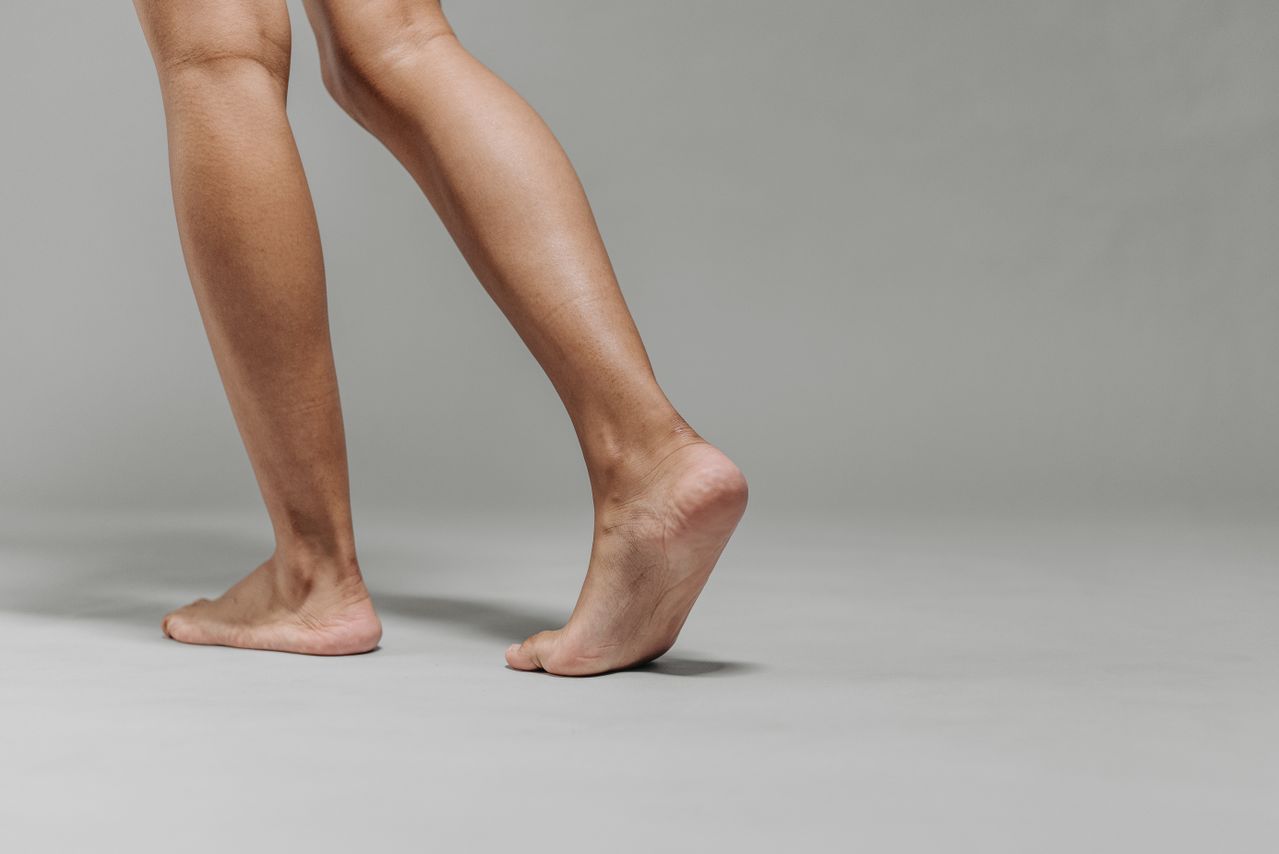
Why Do I Keep Tripping? Could Peripheral Neuropathy Be the Cause?
Not Sure Where to Start?
Choose the description that best matches your symptoms:
🔥 My feet burn → Why Do My Feet Burn at Night?
👣 My feet are numb → What Causes Numbness in My Toes?
⚖️ I’m losing my balance → Can Peripheral Neuropathy Affect My Balance?
🧊 My feet feel cold → Why Are My Feet Cold Even When They Feel Warm?
🪨 It feels like I’m walking on rocks → Why Do My Feet Feel Like I’m Walking on Rocks?
😴 My symptoms are worse at night → Why Is My Peripheral Neuropathy Worse at Night?
What You’ll Learn
In this chapter you’ll discover:
- Why peripheral neuropathy may increase your risk of tripping
- Why frequent tripping isn’t always “just getting older”
- Other medical conditions that can contribute
- Ways to reduce your risk of falling
- When it is time to seek a professional evaluation
Quick Answer
Many people dismiss tripping as simple clumsiness.
Others blame uneven sidewalks or loose rugs.
Sometimes that’s true.
But if you find yourself tripping more often than you used to, it’s worth asking why.
Peripheral neuropathy can reduce sensation in your feet, affect muscle function, and make it harder for your brain to know exactly where your feet are while you’re walking.
The result may be:
- Catching your toes on the carpet
- Tripping over small obstacles
- Feeling less steady
- Needing to watch the ground constantly
- Losing confidence while walking
These changes deserve attention—not because you should panic, but because understanding the cause may help you reduce your risk of falling.
Why Healthy Nerves Matter When You Walk
Walking seems effortless.
But it’s actually one of the most complex things your body does.
With every step your brain receives thousands of messages about:
- Foot position
- Pressure
- Balance
- Joint movement
- Muscle activity
- Surface texture
Healthy nerves make those adjustments automatically.
When neuropathy affects those nerves, your brain receives less accurate information.
That can change the way you walk.
Foot Drop
In some cases, weakness in the muscles that lift the front of the foot can contribute to frequent tripping.
This is sometimes called foot drop.
Instead of clearing the ground normally, the toes may catch on carpets, curbs, or uneven surfaces.
Foot drop has many possible causes and deserves prompt medical evaluation.
Other Conditions That May Cause Tripping
Neuropathy is only one possibility.
Frequent tripping may also result from:
- Arthritis
- Muscle weakness
- Balance disorders
- Inner ear problems
- Vision changes
- Certain medications
- Previous injuries
- Spinal conditions
- Stroke or other neurological disorders
That’s why an accurate diagnosis is so important.
Small Changes That Can Make a Big Difference
Many falls occur because of hazards that can be corrected.
Simple safety measures may include:
- Removing loose rugs
- Improving lighting
- Wearing supportive shoes
- Using handrails
- Keeping walkways clear
- Staying physically active
- Performing balance exercises when appropriate
Sometimes the smallest changes prevent the biggest injuries.
How We Evaluate Frequent Tripping
When someone tells me,
“Doctor, I keep catching my toes,”
I immediately become interested.
Not alarmed.
Interested.
Because that symptom provides important clues.
Your evaluation may include:
- Neurological testing
- Muscle strength testing
- Balance assessment
- Gait analysis
- Reflex testing
- Orthopedic examination
- Review of medications
- Medical history
- Discussion of previous injuries
Every piece of information helps us better understand what’s happening.
About Dr. Dee
Dr. D. Scott (“Dee”) Stevens has spent nearly four decades helping patients improve mobility, reduce pain, and remain active throughout every stage of life. His experience ranges from treating elite athletes seeking peak performance to older adults whose greatest goal is simply walking safely through the grocery store or enjoying time with grandchildren.
His philosophy is straightforward:
Protecting independence begins by understanding movement.
Dr. Dee’s Clinical Pearl
One thing I’ve learned over the years is that people rarely come to the office because they tripped once.
They come because they no longer trust themselves.
That loss of confidence often changes lives more than the tripping itself.
People stop walking.
Stop traveling.
Stop exercising.
Stop visiting friends.
Not because they can’t…
But because they’re afraid.
Helping people regain confidence is one of the most rewarding parts of my profession.
Dr. Dee’s Office Conversation
Patient: “Doctor, I think I’m just becoming clumsy.”
Dr. Dee: “Maybe. But maybe not. Our bodies usually have a reason for changing. Rather than assuming you’re simply clumsy, let’s look at what’s happening. Once we understand the cause, we can talk about ways to improve your safety and confidence.”
Facing One of the Biggest Fears
“I’m afraid I’ll fall and never recover.”
That fear is understandable.
Falls can be serious, especially as we grow older.
But fear doesn’t have to control your life.
One of the best ways to reduce anxiety is to understand your risk factors and address the things you can control.
Many patients feel more confident simply because they have a plan.
Knowledge often replaces uncertainty.
Preparation often replaces fear.
Patient Success Principle #5
Protect Your Independence
One of the greatest goals in healthcare isn’t simply reducing pain.
It’s preserving independence.
Every safe walk…
Every family outing…
Every vacation…
Every trip to the grocery store…
Those moments matter.
Taking small steps today to improve strength, balance, and safety helps protect the life you want to continue living tomorrow.
Ask Dr. Dee
Question:
“Doctor, should I stop walking because I’m afraid of falling?”
Answer:
Not necessarily.
In many cases, staying appropriately active is one of the best things you can do. The goal isn’t to stop moving—it’s to move more safely. Depending on your condition, that may include balance exercises, strengthening, supportive footwear, assistive devices when appropriate, or making changes around your home to reduce fall risks. Every recommendation should be individualized.
The Hope Principle
One stumble does not define your future.
Neither does one fall.
Many people improve their confidence when they better understand their condition and begin working on the things they can control.
Hope often begins with the next safe step.
“I believe the best healthcare decisions are made when patients understand their condition. My job isn’t simply to treat symptoms—it’s to help you understand why they’re happening and what your options are.”
— Dr. D. Scott (“Dee”) Stevens
Frequently Asked Questions
Can neuropathy make me trip?
Yes. Reduced sensation, muscle weakness, or changes in balance associated with neuropathy may increase the risk of tripping.
Does tripping always mean I have neuropathy?
No. Many conditions can contribute to frequent tripping, which is why a comprehensive evaluation is important.
Can balance exercises help?
For many people, balance and strengthening exercises may improve stability and confidence. The appropriate program depends on your individual condition.
Should I use a cane if I keep tripping?
An assistive device may be helpful for some individuals, but the decision should be based on an evaluation of your balance, strength, and walking pattern.
When should I seek medical attention?
If you’re experiencing frequent falls, progressive weakness, new numbness, or sudden changes in your ability to walk, you should seek medical evaluation promptly.
Key Takeaways
- Frequent tripping is not always “just clumsiness.”
- Peripheral neuropathy is one possible cause, but there are many others.
- Identifying the underlying cause is essential for developing an appropriate treatment plan.
- Small changes in your environment and daily habits may significantly reduce your risk of falling.
- Protecting your independence begins with understanding why you’re tripping.
Why Patients Choose Advanced Integrated Medical
At Advanced Integrated Medical, we believe movement is about much more than getting from one place to another.
It’s about preserving confidence, independence, and the ability to continue enjoying life.
Our goal is to understand why your walking has changed, educate you about your condition, and provide individualized recommendations that support long-term mobility and safety.
Continue Exploring The Patient’s Journey
Your journey continues with:
- Is Peripheral Neuropathy a Normal Part of Aging?
- Why Is My Peripheral Neuropathy Worse at Night?
- Have I Waited Too Long to Seek Help for My Neuropathy?
- Can Peripheral Neuropathy Affect My Balance?
- Can a Pinched Nerve Cause Symptoms That Feel Like Peripheral Neuropathy?
Medical Disclaimer
This article is intended for educational purposes only and should not replace evaluation or treatment by a qualified healthcare professional. Sudden weakness, repeated falls, or significant changes in walking should be evaluated promptly.
Ready to Learn More?
If you’ve noticed that you’re tripping more often or no longer feel as confident on your feet, don’t assume it’s simply part of getting older.
At Advanced Integrated Medical, we’ll take the time to understand your symptoms, evaluate the factors affecting your walking, and help you develop a personalized plan aimed at improving safety, mobility, and quality of life.