
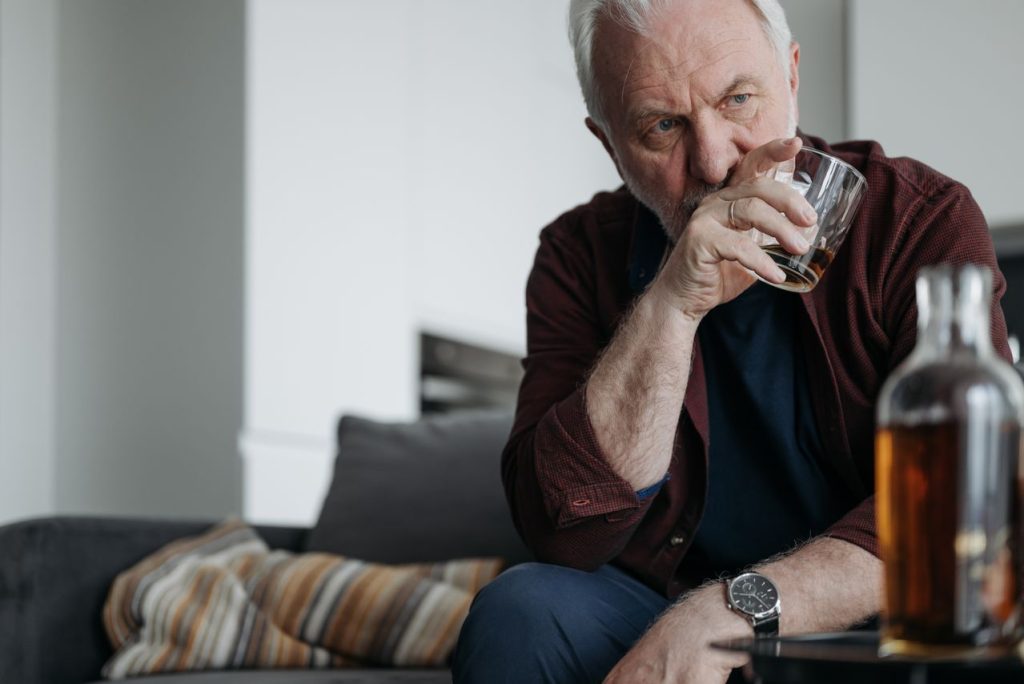
Can Alcohol Cause Peripheral Neuropathy?
Not Sure Where to Start?
Choose the description that sounds most like what you’re experiencing:
👣 My feet or toes are numb → What Causes Numbness in My Toes?
🔥 My feet burn → Why Do My Feet Burn at Night?
⚡ My feet tingle → Is Tingling in My Feet Always a Sign of Peripheral Neuropathy?
⚖️ I’m losing my balance → Can Peripheral Neuropathy Affect My Balance?
💊 I’m wondering whether a vitamin deficiency could be involved → Can Vitamin B12 Deficiency Cause Peripheral Neuropathy?
❓ No one has found the cause of my neuropathy → What Is Idiopathic Peripheral Neuropathy?
🍷 I’m wondering whether alcohol could be contributing → You’re in the right place. Keep reading.
What You’ll Learn
In this chapter you’ll discover:
- Whether alcohol can cause peripheral neuropathy
- How long-term heavy alcohol exposure may damage nerves
- Why nutrition can also play a role
- Which vitamins may become deficient
- What alcohol-related neuropathy may feel like
- Why symptoms usually begin in the feet
- Whether alcohol-related neuropathy can improve
- Why stopping further nerve injury matters
- Why alcohol shouldn’t automatically be blamed for every neuropathy
- Why honest conversations with your healthcare professional matter
Quick Answer
Yes. Long-term heavy alcohol use can contribute to peripheral neuropathy.
Alcohol-related neuropathy may result from a combination of:
- Direct toxic effects of alcohol and its metabolites on peripheral nerves
- Nutritional deficiencies
- Poor absorption of important nutrients
- Metabolic changes associated with chronic alcohol exposure
Symptoms may include:
- Numbness
- Burning
- Tingling
- Pain
- Reduced sensation
- Weakness
- Balance problems
- Difficulty walking
But an important distinction needs to be made:
Having an occasional alcoholic drink is not the same as the prolonged heavy alcohol exposure typically associated with alcohol-related neuropathy.
The amount, frequency, duration, nutritional status, overall health, and individual susceptibility all matter.
What Is Alcohol-Related Peripheral Neuropathy?
Alcohol-related peripheral neuropathy is nerve dysfunction associated with prolonged excessive alcohol exposure.
It most commonly affects nerves in the:
- Feet
- Lower legs
- Hands in more advanced cases
Like many generalized peripheral neuropathies, symptoms often begin in the longest nerves first.
That means the toes and feet are commonly affected before the hands.
Why Do Symptoms Usually Start in the Feet?
Think about the nerve traveling from your lower spine all the way to your toes.
That nerve pathway is extremely long.
Long peripheral nerves tend to be particularly vulnerable to many metabolic and toxic forms of nerve injury.
As a result, neuropathy often follows what we call a:
Length-dependent pattern
Symptoms begin in the toes.
Then they may gradually move upward through the feet and lower legs.
If the neuropathy becomes sufficiently advanced, symptoms may eventually involve the hands.
This is sometimes described as a:
Stocking-and-glove pattern
What Does Alcohol-Related Neuropathy Feel Like?
Patients may experience:
- Burning feet
- Numb toes
- Tingling
- Pins-and-needles sensations
- Electric sensations
- Aching
- Painful sensitivity
- Reduced ability to feel temperature
- Reduced awareness of foot position
Motor nerves may also become involved.
That can contribute to:
- Weakness
- Muscle loss
- Difficulty walking
- Reduced ankle control
The exact pattern varies from person to person.
How Does Alcohol Damage Nerves?
The relationship is complex.
Research suggests that chronic heavy alcohol exposure may have direct toxic effects on peripheral nerves.
Alcohol and its metabolites can interfere with normal cellular processes and contribute to nerve injury.
But that isn’t the entire story.
Nutrition may also play an important role.
Why Does Nutrition Matter?
Long-term heavy alcohol use can contribute to nutritional problems in several ways.
A person may:
- Eat less nutritious food
- Replace meals with alcohol
- Absorb nutrients poorly
- Have gastrointestinal problems
- Develop liver disease
- Have altered vitamin metabolism
As a result, deficiencies can develop in nutrients important for normal neurological function.
So alcohol-related neuropathy may not have one single mechanism.
It may involve several problems occurring together.
Thiamine—Vitamin B1—Deserves Special Attention
One particularly important nutrient is:
Vitamin B1, or thiamine
Thiamine is essential for normal energy metabolism and neurological function.
Chronic heavy alcohol use is a well-known risk factor for thiamine deficiency.
Severe thiamine deficiency can produce serious neurological complications.
This is one reason nutritional evaluation matters in patients with significant long-term alcohol exposure.
What About Vitamin B12?
Vitamin B12 deficiency can also cause neurological symptoms and peripheral neuropathy.
If a patient has a history of:
- Poor nutrition
- Gastrointestinal problems
- Malabsorption
- Certain medications
- Other B12 risk factors
B12 status may deserve evaluation.
But remember:
Not every neuropathy in someone who drinks alcohol is caused by alcohol.
And not every neuropathy is caused by a vitamin deficiency.
We still have to investigate.
Don’t Forget Folate and Other Nutrients
Chronic heavy alcohol use may also be associated with deficiencies involving other nutrients, including folate.
Depending on the patient’s history, nutritional assessment may need to look beyond a single vitamin.
This is why I prefer:
“What does this individual patient need?”
rather than:
“Which neuropathy supplement should everyone take?”
Does Alcohol Cause Neuropathy Only Because of Vitamin Deficiency?
No.
This is an important distinction.
Historically, nutritional deficiency was considered a major explanation for neurological problems associated with alcoholism.
Nutrition certainly matters.
But evidence also supports a direct toxic contribution from prolonged alcohol exposure itself.
In other words:
Correcting vitamin deficiencies is important when they exist.
But simply taking vitamins while continuing heavy alcohol exposure may not remove the underlying problem.
How Much Alcohol Does It Take to Cause Neuropathy?
There is no single number that predicts exactly who will develop neuropathy.
Risk appears to depend on factors including:
- Amount consumed
- Frequency
- Years of exposure
- Nutritional status
- Genetics
- Liver health
- Other medical conditions
- Other causes of neuropathy
Two people may have very different neurological consequences despite apparently similar alcohol histories.
That is why medicine cannot give everyone one universal threshold and say:
“Below this, neuropathy is impossible. Above this, neuropathy is guaranteed.”
Human biology isn’t that simple.
Does an Occasional Drink Cause Peripheral Neuropathy?
Alcohol-related neuropathy is generally associated with chronic, substantial alcohol exposure, not simply occasional light drinking.
If someone has a glass of wine occasionally and develops numb feet, I would not automatically conclude:
“Alcohol caused your neuropathy.”
I would still consider other possibilities such as:
- Diabetes
- Prediabetes
- Vitamin deficiency
- Medication effects
- Kidney disease
- Thyroid disease
- Chemotherapy
- Nerve compression
- Spinal problems
- Autoimmune conditions
- Other neurological disorders
The history determines how strongly alcohol belongs on the list.
Why Patients May Not Mention Alcohol
Alcohol can be a difficult subject.
Patients may worry that their healthcare professional will:
- Judge them
- Lecture them
- Blame every problem on alcohol
- Put something negative in their record
- Stop listening to everything else
That can cause patients to underestimate or avoid discussing alcohol use.
But incomplete information makes diagnosis harder.
My Approach Is Simple: I Need Accurate Information
If I ask a patient about alcohol, I’m not asking:
“Are you a good person or a bad person?”
I’m asking a medical question.
I want to know:
- How often?
- How much?
- For how many years?
- Has the amount changed?
- Has nutrition been affected?
- Are there other medical consequences?
That information may help us understand the neuropathy.
Honesty improves healthcare. Judgment doesn’t.
Alcohol Can Also Affect Balance for Other Reasons
Neuropathy is not the only way alcohol can affect walking and balance.
Alcohol itself can impair:
- Coordination
- Reaction time
- Judgment
- Balance
Chronic heavy alcohol exposure may also contribute to other neurological or medical problems.
So if someone with neuropathy is already unsteady, alcohol may increase fall risk even apart from long-term nerve damage.
This is especially important for people who also take medications that cause:
- Sedation
- Dizziness
- Reduced coordination
Alcohol, Neuropathy, and Falls
Consider the combination:
Numb feet + reduced balance + muscle weakness + alcohol-related impairment
That can create a dangerous situation.
For someone already at increased fall risk, alcohol use deserves consideration as part of the overall safety picture.
The goal isn’t simply:
“Don’t drink.”
The better question is:
“What factors are increasing this patient’s risk, and which of them can be changed?”
Can Alcohol-Related Neuropathy Improve?
Sometimes improvement is possible.
But the degree of recovery varies.
Factors include:
- Severity of nerve damage
- Duration of symptoms
- Duration and amount of alcohol exposure
- Nutritional status
- Whether alcohol exposure continues
- Whether deficiencies are corrected
- Whether other neuropathy causes are present
- Overall health
Some patients may experience meaningful improvement after the damaging exposure is stopped and nutritional problems are corrected.
Others may have persistent neurological deficits.
Why Stopping Further Injury Matters
Imagine that your roof is leaking.
You can keep drying the floor.
But if water continues pouring through the ceiling, the damage continues.
Neuropathy can be similar.
If an ongoing toxic exposure is contributing to nerve injury, protecting the nervous system means addressing the exposure—not merely treating the symptoms.
This principle applies to:
- Alcohol
- Certain medications
- Nutritional excesses
- Environmental toxins
- Other ongoing causes
When possible, remove what is continuing to cause harm.
Does Cutting Back Help?
Reducing alcohol exposure may be beneficial, but if someone has developed alcohol-related neuropathy from chronic heavy drinking, complete abstinence may be recommended as part of medical management.
However, there is an important safety issue:
Someone who is physically dependent on alcohol should not necessarily stop abruptly without medical guidance.
Alcohol withdrawal can be dangerous and, in severe cases, life-threatening.
People who drink heavily every day or who have experienced withdrawal symptoms should seek appropriate medical help when stopping.
What Are Signs of Alcohol Withdrawal?
Possible withdrawal symptoms can include:
- Tremors
- Sweating
- Anxiety
- Nausea
- Rapid heart rate
- Agitation
- Sleep disturbance
Severe withdrawal may cause:
- Hallucinations
- Seizures
- Severe confusion
If alcohol dependence is possible, withdrawal should be taken seriously.
Medical supervision may be necessary.
This Is Not About Willpower
Alcohol use disorder is a medical condition.
Telling someone:
“Just stop drinking.”
may be neither helpful nor safe.
Some people need:
- Medical supervision
- Medication
- Behavioral support
- Counseling
- Addiction treatment
- Nutritional support
- Family support
Getting appropriate help is a health decision—not a character judgment.
How Is Alcohol-Related Neuropathy Evaluated?
There isn’t one blood test that says:
“Yes, alcohol caused this neuropathy.”
Diagnosis depends heavily on:
- Symptoms
- Neurological examination
- Pattern of nerve involvement
- Alcohol history
- Nutritional history
- Laboratory testing
- Excluding or identifying other causes
Testing may include evaluation for:
- Diabetes or abnormal glucose metabolism
- Vitamin deficiencies
- Kidney or liver disease
- Thyroid problems
- Other metabolic causes
Depending on the clinical picture, nerve conduction studies, EMG, or other neurological evaluation may also be appropriate.
Liver Tests Don’t Tell the Whole Story
Patients sometimes say:
“My liver tests are normal, so alcohol can’t be affecting my nerves.”
Normal liver testing does not necessarily answer the neuropathy question.
The liver and peripheral nerves are different tissues.
Someone can have neurological effects related to alcohol exposure without a laboratory test that directly proves it.
Again:
Look at the whole clinical picture.
Could Alcohol and Diabetes Both Be Causing My Neuropathy?
Yes.
This is very possible.
A patient may have:
- Diabetes
- Chronic alcohol exposure
- B12 deficiency
- Spinal nerve compression
all at the same time.
The nervous system doesn’t require us to choose only one cause.
This is why I repeatedly tell patients:
Don’t stop looking just because you found one possible explanation.
What About Supplements?
If nutritional deficiencies are identified, appropriate replacement may be important.
But supplements should not become a substitute for addressing ongoing alcohol exposure.
And taking large amounts of B vitamins indiscriminately isn’t necessarily harmless.
Remember:
Excessive vitamin B6 can itself cause peripheral neuropathy.
Review the actual ingredients and doses in your supplements.
More is not always better.
Can Exercise Help?
Appropriate exercise may help support:
- Strength
- Balance
- Mobility
- Cardiovascular health
- Metabolic health
- Confidence
- Overall function
But exercise does not cancel out ongoing toxic nerve injury.
Think of exercise as one part of a broader plan.
The plan should address the cause, not simply the consequences.
How We Evaluate Possible Alcohol-Related Neuropathy at Advanced Integrated Medical
When someone has unexplained neuropathy, alcohol history is one piece of the evaluation.
I may ask:
- Do you drink alcohol?
- How frequently?
- Approximately how much?
- For how many years?
- Has your alcohol use changed over time?
- How is your nutrition?
- Have you lost weight?
- Are you taking vitamins?
- Have B12 and other relevant nutrients been evaluated?
- Do you have diabetes or prediabetes?
- Do you have liver or kidney disease?
- Are you taking medications that could affect the nerves?
- Are your symptoms symmetrical?
- Is weakness developing?
- Has balance changed?
No single answer automatically proves the diagnosis.
We’re looking for the pattern.
Treatment Depends on the Cause
If alcohol is believed to be contributing to neuropathy, treatment may involve:
- Reducing or stopping alcohol exposure under appropriate medical guidance
- Medically supervised withdrawal when necessary
- Correcting documented nutritional deficiencies
- Improving nutrition
- Treating coexisting diabetes or metabolic problems
- Reviewing medications and supplements
- Strength and balance rehabilitation
- Fall prevention
- Foot protection
- Management of neuropathic pain
- Appropriate specialist or addiction-treatment referral
The goal is not simply to make the feet hurt less.
It is to reduce ongoing injury whenever possible and protect function.
About Dr. Dee
Dr. D. Scott (“Dee”) Stevens has spent nearly four decades helping patients with peripheral neuropathy, chronic pain, musculoskeletal disorders, sports injuries, and regenerative medicine.
Throughout his career, he has cared for patients from all walks of life—including professional, collegiate, and Olympic athletes, professional football players, Major League Baseball players, professional boxers, and MMA fighters.
One of the most important lessons I’ve learned is that patients tell us more when they know we’re listening rather than judging.
That matters when discussing:
- Alcohol
- Diet
- Weight
- Medication use
- Smoking
- Supplements
- Activity
My job is not to embarrass someone about yesterday.
My job is to help them make better-informed decisions about tomorrow.
Dr. Dee’s Clinical Pearl
When alcohol may be contributing to neuropathy, the most important question isn’t:
“Have you ever had a drink?”
It is:
“What has your actual pattern of alcohol exposure been over time?”
One glass of wine at Christmas and years of heavy daily drinking are not medically equivalent.
Details matter.
Dr. Dee’s Office Conversation
Patient: “Doctor, I haven’t told many people this, but I used to drink pretty heavily.”
Dr. Dee: “I’m glad you told me. I’m not here to judge you. I’m trying to understand your nerves.”
Patient: “Could that be why my feet are numb?”
Dr. Dee: “It could be contributing, especially depending on how much you drank, for how long, and what your nutrition was like. But I don’t want to assume it’s the only cause. Let’s look at the whole picture.”
Facing One of the Biggest Fears
“Did I Do This to Myself?”
This question carries a lot of emotion.
Guilt does not repair nerves.
Shame does not improve balance.
And blaming yourself does not help us understand what to do next.
What matters now is:
Is alcohol still contributing?
Are nutritional deficiencies present?
Are there other causes?
What can be corrected?
How can we protect your mobility and health going forward?
We cannot change yesterday.
But yesterday can give us information that helps us make better decisions today.
Patient Success Principle #22
Give Your Healthcare Provider the Whole Story
Your healthcare professional cannot evaluate information they don’t have.
That includes:
- Alcohol
- Medications
- Supplements
- Diet
- Previous chemotherapy
- Past illnesses
- Previous surgeries
- Family history
Don’t edit your medical history because you’re embarrassed by part of it.
The detail you leave out may be the clue that matters.
Good healthcare requires honesty in both directions.
Ask Dr. Dee
“Doctor, if alcohol caused my neuropathy, will quitting make it go away?”
Maybe partially, but no one can promise that.
Stopping an ongoing damaging exposure is important.
Some patients may experience meaningful improvement over time, particularly when nutritional deficiencies and other contributing factors are addressed.
But longstanding nerve damage may not completely recover.
That doesn’t mean stopping doesn’t matter.
Preventing additional damage can be an important success by itself.
Lesson I’ve Learned in Nearly 40 Years
Patients Need Help More Than They Need Judgment
People come into healthcare carrying stories we may know nothing about.
Sometimes those stories include decisions they regret.
If I spend my time judging those decisions, I’ve missed the opportunity to help the person sitting in front of me.
The question isn’t:
“Why weren’t you perfect?”
The useful questions are:
“Where are we now?”
“What have we learned?”
“What can we change?”
“What is the next step?”
The Hope Principle
Alcohol-related neuropathy can create a particularly difficult kind of hopelessness because patients may blame themselves.
But guilt and hope point in opposite directions.
Guilt keeps asking:
“What should I have done?”
Hope asks:
“What can I do now?”
Maybe you cannot reverse every damaged nerve.
Maybe you can.
Maybe improvement will be partial.
But you can still:
- Remove an ongoing risk
- Improve nutrition
- Address deficiencies
- Protect your feet
- Strengthen your body
- Improve your balance
- Reduce fall risk
- Ask for help
The past may help explain your neuropathy.
It does not have to dictate everything you do next.
“I believe the best healthcare decisions are made when patients understand their condition. My job isn’t simply to treat symptoms—it’s to help you understand why they’re happening and what your options are.”
— Dr. D. Scott (“Dee”) Stevens
Frequently Asked Questions
Can alcohol cause peripheral neuropathy?
Yes. Long-term heavy alcohol exposure can contribute to peripheral nerve damage.
Does alcohol-related neuropathy come only from vitamin deficiency?
No. Nutritional deficiencies may contribute, but alcohol itself also appears capable of producing toxic effects on peripheral nerves.
Does occasional alcohol use cause neuropathy?
Alcohol-related neuropathy is generally associated with prolonged substantial alcohol exposure rather than occasional light drinking. Individual risk varies.
What does alcoholic neuropathy feel like?
Symptoms may include burning, numbness, tingling, pain, altered sensation, weakness, and balance problems, usually beginning in the feet.
Why is vitamin B1 important?
Thiamine, or vitamin B1, is essential for neurological function. Chronic heavy alcohol use can contribute to thiamine deficiency.
Can alcohol-related neuropathy improve?
Some patients improve after alcohol exposure stops and nutritional problems are corrected, but recovery varies and longstanding nerve damage may persist.
Should I stop drinking immediately if I drink heavily every day?
If physical alcohol dependence is possible, abruptly stopping can produce dangerous withdrawal. Seek medical guidance for a safe plan.
Can diabetes and alcohol both cause neuropathy?
Yes. Multiple factors can contribute to neuropathy in the same patient.
Can vitamins reverse alcohol-related neuropathy?
Correcting documented deficiencies is important, but vitamins do not necessarily reverse established nerve damage and do not eliminate the effects of continued heavy alcohol exposure.
How do doctors determine whether alcohol caused neuropathy?
There is no single diagnostic blood test. Evaluation typically considers alcohol exposure, symptoms, neurological findings, nutrition, laboratory testing, and other possible neuropathy causes.
Key Takeaways
- Long-term heavy alcohol use can contribute to peripheral neuropathy.
- Both direct alcohol-related nerve toxicity and nutritional problems may play a role.
- Symptoms often begin in the feet.
- Thiamine deficiency is particularly important in chronic heavy alcohol use.
- B12 and other nutritional factors may also deserve evaluation.
- Occasional drinking should not automatically be blamed for neuropathy.
- Multiple neuropathy causes can coexist.
- Removing ongoing harmful exposure is an important part of treatment.
- Some nerve function may improve, but complete recovery cannot be guaranteed.
- People who are physically dependent on alcohol may require medical assistance to stop safely.
- Honest alcohol history helps clinicians make better decisions.
- The past can provide an explanation without becoming a life sentence.
Why Patients Choose Advanced Integrated Medical
At Advanced Integrated Medical, we don’t believe patients benefit from being judged.
We believe they benefit from being understood.
If alcohol may be part of the picture, we ask:
How much?
How often?
For how long?
Is it still occurring?
Has nutrition been affected?
Are vitamin deficiencies present?
Are there other causes of neuropathy?
What can we address now?
The purpose of asking about alcohol isn’t to assign blame.
It is to gather information.
Because the more accurately we understand the story, the better chance we have of identifying the appropriate next step.
Continue Exploring the Learning Center
You may also want to read:
- Can Vitamin B12 Deficiency Cause Peripheral Neuropathy?
- What Vitamins Are Important for Healthy Nerves?
- Is Peripheral Neuropathy Always Caused by Diabetes?
- Can Diabetes Cause Peripheral Neuropathy Even When My Blood Sugar Is “Under Control”?
- What Is Idiopathic Peripheral Neuropathy?
- Can Peripheral Neuropathy Affect My Balance?
- Can Peripheral Neuropathy Cause Falls?
- Can Peripheral Neuropathy Be Reversed?
- How Do I Know If My Peripheral Neuropathy Is Getting Better?
- I’ve Been Diagnosed With Peripheral Neuropathy—What Should I Do Next?
Medical Disclaimer
This article is intended for educational purposes only and is not a substitute for individualized medical diagnosis or treatment.
Peripheral neuropathy can have many causes, and alcohol exposure should be considered within the context of the individual’s complete medical, nutritional, medication, and neurological history.
If you drink heavily or may be physically dependent on alcohol, do not assume that abruptly stopping without medical assistance is safe. Alcohol withdrawal can be medically dangerous and may require professional supervision.
Seek prompt medical evaluation for new or rapidly progressive weakness, new foot drop, major changes in walking, repeated falls, or other concerning neurological symptoms. Sudden one-sided weakness, facial drooping, speech difficulty, confusion, or other possible signs of stroke require emergency medical attention.
Ready to Learn More?
If you’ve wondered whether alcohol could be contributing to your neuropathy, you don’t need to begin with guilt.
Begin with information.
Ask:
What has my alcohol exposure actually been?
Could nutrition be part of the problem?
Have important vitamin levels been evaluated?
Could another condition also be contributing?
Is there an ongoing source of nerve injury I can change?
And what is my next best step?
At Advanced Integrated Medical, we believe understanding the cause is more useful than assigning blame.
Because yesterday may help explain how you arrived here.
But what you do next is where progress begins.