
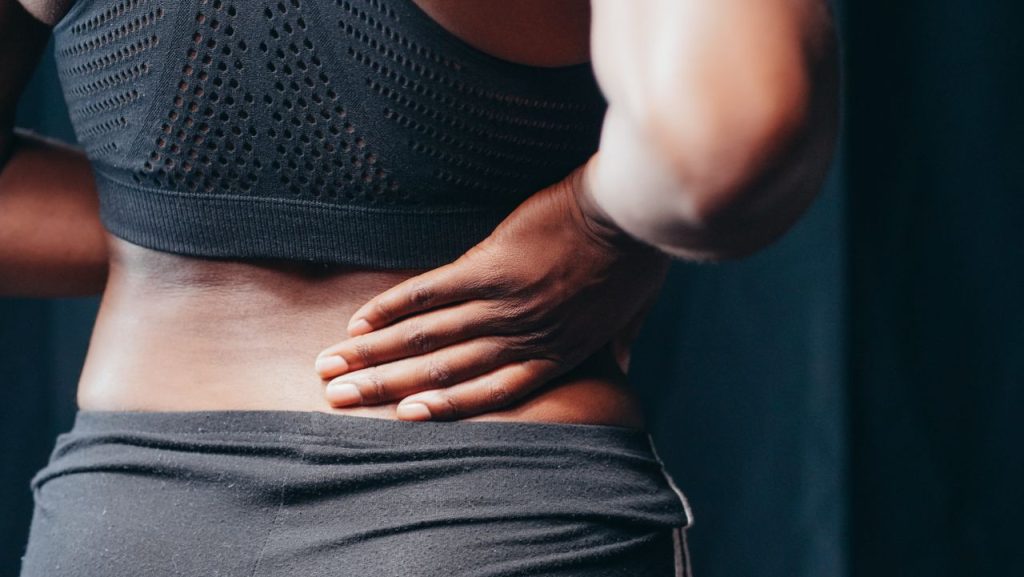
Why Does My Lower Back Hurt?
Have you ever bent down to pick something up, stood back up, and suddenly felt a sharp pain in your lower back?
Maybe you were lifting a box.
Working in the yard.
Getting out of your car.
Or simply putting on your shoes.
And suddenly, your back decided it wasn’t interested in cooperating anymore!
Some patients tell me:
“Doctor, I wasn’t doing anything unusual. I just bent over!”
Others say:
“I woke up this morning and could hardly stand up straight.”
And occasionally someone tells me:
“I think my back finally wore out.”
After nearly four decades of treating patients with spinal and musculoskeletal conditions, I’ve heard just about every description imaginable.
But here’s something I want you to understand:
Lower back pain does not automatically mean your spine is seriously damaged.
In fact, most episodes of lower back pain are not caused by a dangerous medical condition.
That doesn’t mean the pain isn’t real.
And it certainly doesn’t mean you should ignore symptoms that persist or worsen.
It means that understanding the likely source of your pain is the first step toward choosing appropriate treatment.
Let’s look at what may be happening.
Not Sure Where to Start?
Choose the question that sounds most like yours:
- My lower back hurts, but I don’t know why. → You’re in the right place.
- Pain shoots down my buttock or leg. → What Is Sciatica, and What Causes It?
- My MRI mentions a bulging or herniated disc. → What Is a Bulging or Herniated Disc?
- My legs hurt when I stand or walk. → What Is Lumbar Spinal Stenosis?
- My back hurts when I sit or drive. → Why Does My Back Hurt When I Sit?
- My feet burn, tingle, or feel numb. → Explore our Peripheral Neuropathy Learning Center.
What You’ll Learn
In this chapter, we’ll discuss:
- How your lower back works
- The most common causes of lower back pain
- Why pain can begin suddenly
- Muscle and ligament strains
- Disc degeneration and herniation
- Sciatica and nerve-root irritation
- Facet joint and sacroiliac region pain
- Lumbar spinal stenosis
- Why hip problems can mimic back pain
- The role of stress, sleep, and nervous system sensitivity
- When to use ice or heat
- How to apply cold therapy safely
- Chiropractic care and exercise
- Physical therapy and rehabilitation
- PRP injections and regenerative medicine
- What regenerative treatments can and cannot currently claim
- When imaging may be appropriate
- When injections or surgery should be considered
- Warning signs requiring urgent medical attention
- Practical steps you can take at home
Quick Answer
Lower back pain can result from several different conditions.
Common contributors include:
- Muscle or ligament strain
- Nonspecific mechanical back pain
- Disc-related problems
- Facet joint pain
- Nerve-root irritation
- Lumbar spinal stenosis
- Sacroiliac region pain
- Hip-related conditions
Most uncomplicated episodes improve with time and appropriate conservative care.
Ice or heat may provide temporary symptom relief, depending on the patient’s condition and preference.
Exercise, education, and selected manual therapies may help improve function.
Regenerative approaches such as platelet-rich plasma (PRP) are being investigated for selected spinal pain conditions, but they are not established treatments for most causes of lower back pain.
The most important step is identifying the likely source of pain before choosing treatment.
First, Let’s Understand How Your Lower Back Works
Your lower back is called the lumbar spine.
It usually consists of five vertebrae, labeled:
L1, L2, L3, L4, and L5.
Below these vertebrae is the sacrum, which connects the spine to the pelvis.
The lower back includes several important structures.
Vertebrae
These bones provide structural support and help protect the spinal canal.
Intervertebral Discs
Discs sit between adjacent vertebrae and help distribute mechanical forces.
Facet Joints
These small joints help guide and control spinal movement.
Muscles and Ligaments
These tissues support movement, stability, and everyday activities.
Spinal Nerves
Nerve roots exit the spine and help transmit signals between the nervous system and the lower extremities.
When one or more of these structures becomes irritated, painful, or dysfunctional, lower back symptoms may develop.
But the location of pain doesn’t always reveal which structure is responsible.
Why Can Lower Back Pain Be So Severe?
Sometimes a relatively uncomplicated episode of back pain can be extremely uncomfortable.
Muscles may tighten.
Movement may become painful.
The nervous system may become more sensitive.
A patient may feel as though the back has completely locked up.
But severe pain does not necessarily indicate severe structural damage.
Conversely, some serious conditions may initially produce only modest discomfort.
Pain intensity is important, but it is not a reliable measurement of tissue damage.
Cause #1: Muscle or Ligament Strain
Muscle and ligament strains are common contributors to acute lower back pain.
They may occur after:
- Lifting
- Twisting
- Repetitive bending
- Unaccustomed exercise
- A sudden movement
- Other physical activities
Symptoms may include:
- Localized pain
- Muscle tightness
- Tenderness
- Difficulty bending
- Pain when changing positions
Many uncomplicated strains improve over days to weeks.
Why Does My Back Sometimes Go Into Spasm?
Muscle spasms can occur when the muscles surrounding the spine become painful or highly sensitive.
The muscles may contract involuntarily.
This can make movement difficult.
Patients sometimes describe feeling as though their back is stuck.
Muscle spasm does not necessarily mean that a vertebra has moved out of place.
Treatment generally focuses on comfort, appropriate movement, and gradual recovery.
Cause #2: Nonspecific Mechanical Lower Back Pain
This is one of the most common categories of back pain.
The term nonspecific means that the symptoms cannot confidently be attributed to one precise anatomical structure.
That doesn’t mean the pain is imaginary.
It means several tissues and factors may be contributing.
Possible influences include:
- Mechanical sensitivity
- Muscular discomfort
- Reduced activity tolerance
- Joint-related pain
- Sleep disruption
- Stress
- Nervous system sensitivity
A good treatment plan should address the patient’s symptoms and functional limitations rather than assuming one structure is always responsible.
Cause #3: Facet Joint Pain
Facet joints are located toward the back of the spine.
They help guide movement.
Degenerative or other changes affecting these joints may contribute to lower back pain.
Some patients notice discomfort with:
- Standing
- Backward bending
- Twisting
- Certain prolonged positions
However, symptoms alone cannot reliably confirm that a facet joint is the pain source.
Cause #4: Degenerative Disc Changes
Spinal discs change over time.
They may:
- Lose water content
- Become less flexible
- Decrease in height
- Develop bulges
- Show other structural changes
These findings become increasingly common with age.
But here’s an important point:
Disc degeneration does not automatically mean your spine is deteriorating beyond repair.
Many people have degenerative changes on MRI without significant pain.
The clinical significance depends on the symptoms and examination.
Cause #5: Bulging or Herniated Discs
A disc bulge involves a broad extension of disc tissue beyond its usual boundary.
A disc herniation involves a more localized displacement of disc material.
A herniation may irritate or compress a nearby spinal nerve root.
Possible symptoms include:
- Lower back pain
- Buttock pain
- Radiating leg pain
- Tingling
- Numbness
- Muscle weakness
But not every disc bulge or herniation causes symptoms.
And not every patient with a herniated disc needs surgery.
Cause #6: Sciatica or Lumbar Radiculopathy
Sciatica describes pain traveling along the distribution of the sciatic nerve.
It may begin in the lower back or buttock and travel into the leg.
Symptoms may include:
- Shooting pain
- Burning
- Electric-like sensations
- Tingling
- Numbness
- Weakness
Lumbar radiculopathy refers to symptoms or neurological dysfunction associated with irritation of a spinal nerve root.
A patient may have significant leg pain even when the lower back itself doesn’t hurt very much.
Cause #7: Lumbar Spinal Stenosis
Lumbar spinal stenosis refers to narrowing of spaces within the lower spine.
When the narrowing affects nerve structures, symptoms may include:
- Leg pain
- Heaviness
- Numbness
- Tingling
- Weakness
- Reduced walking tolerance
A common pattern is worsening symptoms during standing or walking, with relief during sitting or bending forward.
This is called neurogenic claudication.
Cause #8: Sacroiliac Region Pain
The sacroiliac joints connect the sacrum to the pelvis.
Some patients experience pain near one side of the lower back or upper buttock.
Symptoms may be aggravated by:
- Standing
- Walking
- Changing positions
- Certain activities
However, pain in this area does not automatically mean the sacroiliac joint is responsible.
A careful examination is important.
Cause #9: Hip Problems That Mimic Back Pain
Sometimes the problem isn’t primarily in the spine.
Hip conditions can produce discomfort in the:
- Groin
- Buttock
- Outer hip
- Lower back region
Patients may notice pain when:
- Walking
- Climbing stairs
- Getting into a car
- Standing up from a chair
That’s why I believe a good lower back evaluation should also consider the hips.
Cause #10: Spondylolisthesis
Spondylolisthesis occurs when one vertebra shifts relative to another.
Some patients have this finding without symptoms.
Others experience:
- Lower back pain
- Stiffness
- Leg symptoms
- Reduced activity tolerance
The clinical significance depends on the degree of displacement, associated narrowing, neurological findings, and symptoms.
Cause #11: Osteoporosis and Compression Fractures
Osteoporosis can weaken bones and increase fracture risk.
A vertebral compression fracture may occur after relatively minor trauma in someone with significant osteoporosis.
Possible symptoms include:
- Sudden back pain
- Pain after lifting or a fall
- Difficulty standing or walking
- Localized tenderness
A suspected fracture requires appropriate medical evaluation.
Cause #12: Conditions Outside the Spine
Not every episode of lower back pain originates from spinal tissues.
Other possible causes include:
- Kidney-related conditions
- Certain abdominal or pelvic disorders
- Inflammatory diseases
- Infection
- Less commonly, cancer or other serious disease
These causes are less common than uncomplicated mechanical back pain, but recognizing warning signs is important.
Can Stress Make Lower Back Pain Worse?
Yes.
Stress does not mean the pain is imaginary.
But stress, sleep disruption, anxiety, and other factors can influence pain sensitivity.
Pain is produced through complex interactions involving the nervous system and the body.
Some patients notice that symptoms become worse during periods of poor sleep or increased stress.
Addressing these factors may be an important part of recovery.
Why Does My Back Hurt More in the Morning?
Morning stiffness can occur for several reasons.
These include:
- Prolonged inactivity
- Certain mechanical conditions
- Sleep positioning
- Joint-related changes
Some patients feel better after moving around.
However, prolonged morning stiffness, particularly when accompanied by other inflammatory symptoms, may warrant evaluation for an inflammatory condition.
Why Does My Back Hurt When I Sit?
Sitting may aggravate certain types of lower back pain.
Possible contributors include:
- Sustained positioning
- Disc sensitivity
- Muscular discomfort
- Certain nerve-related conditions
But there is no single sitting posture that prevents all back pain.
Changing positions regularly may help.
Why Does My Back Hurt When I Stand or Walk?
Standing or walking may aggravate symptoms associated with:
- Certain mechanical conditions
- Facet-related pain
- Lumbar spinal stenosis
- Hip disorders
If leg symptoms worsen with walking and improve with sitting or bending forward, spinal stenosis may be considered.
However, circulation problems can produce similar symptoms.
Can Lower Back Pain Cause Numbness in My Feet?
Lower back disorders affecting spinal nerve roots can produce numbness or tingling in parts of the legs and feet.
But foot numbness can also result from:
- Peripheral neuropathy
- Peripheral nerve entrapment
- Circulation-related conditions
- Other neurological disorders
The pattern of symptoms helps guide the diagnosis.
At Advanced Integrated Medical, distinguishing spinal nerve-root problems from peripheral neuropathy is an important part of evaluating nerve-related complaints.
When Is Lower Back Pain an Emergency?
Most lower back pain is not an emergency.
However, certain symptoms require immediate medical attention.
Seek Emergency Care For:
- New inability to urinate or significant urinary retention
- New loss of bowel or bladder control associated with back or leg symptoms
- Numbness in the saddle or groin region
- Rapidly progressive leg weakness
- Symptoms suggesting cauda equina syndrome
New foot drop or significant new weakness warrants urgent medical assessment.
Other concerning findings, such as major trauma, fever with back pain, or a history of cancer with new unexplained back pain, require prompt evaluation.
Never delay emergency evaluation in order to try ice, chiropractic treatment, or another conservative therapy.
Ice or Heat: Which Is Better for Lower Back Pain?
This is one of the most common questions patients ask.
And the answer is:
It depends on the condition and what provides relief.
Both cold and heat may be useful for temporary symptom management.
But neither should be viewed as a treatment that reliably corrects the underlying structural cause of back pain.
When Might Ice Be Helpful?
Cold therapy may be useful for some patients during an acute flare-up.
For example:
- After a recent strain
- Following an activity that aggravates symptoms
- When an area feels especially painful or irritated
- When cold provides better relief than heat
Ice temporarily reduces local tissue temperature and can decrease pain sensitivity.
It may also affect local blood flow and other physiological processes.
However, evidence that ice reliably eliminates clinically important inflammation or speeds healing in uncomplicated lower back pain is limited.
Think of ice primarily as a comfort measure—not as a guaranteed way to remove inflammation around a disc or spinal nerve.
How Should I Apply Ice to My Lower Back?
A practical approach is:
- Place a cold pack inside a thin towel or cloth.
- Apply it to the painful region for approximately 10–15 minutes.
- Remove the pack and allow the skin to return to its normal temperature.
- Repeat later if needed and if your skin tolerates it.
Avoid placing ice directly against the skin.
Do not fall asleep while using a cold pack.
Stop if the skin becomes excessively painful, pale, unusually numb, or otherwise irritated.
Longer applications are not necessarily more effective.
Important Ice Precautions for Patients With Neuropathy
This is particularly important at Advanced Integrated Medical.
Some patients with peripheral neuropathy have reduced ability to sense:
- Cold
- Heat
- Pain
- Temperature changes
A patient who cannot accurately sense temperature may not recognize that a cold pack is damaging the skin.
Cold therapy may also be inappropriate for patients with certain circulation disorders or cold-sensitivity conditions.
If you have reduced sensation or impaired circulation, do not apply ice without first confirming that it is safe with your healthcare professional.
This precaution also applies to heating pads.
When Might Heat Be Helpful?
Heat may be useful when the primary complaint involves:
- Muscle tightness
- Stiffness
- Generalized aching
- Discomfort associated with prolonged inactivity
Some patients prefer heat before gentle movement or exercise.
Superficial heat has evidence supporting modest short-term relief in certain types of acute or subacute nonspecific lower back pain.
However, heat does not repair a herniated disc or reverse spinal stenosis.
How Should I Apply Heat Safely?
A practical approach is:
- Use a comfortably warm—not excessively hot—heating pad or pack.
- Begin with approximately 15–20 minutes.
- Protect the skin from direct excessive heat.
- Avoid sleeping on a heating pad.
- Stop if discomfort or skin irritation develops.
Patients with impaired sensation or circulation should use additional caution and may need to avoid heat therapy.
Ice vs. Heat: A Simple Comparison
| Situation | Ice | Heat |
| Recent painful flare-up | May provide temporary relief | May also help, depending on comfort |
| Muscle tightness or stiffness | Sometimes helpful | Often preferred |
| General mechanical back pain | May help symptoms | May help symptoms |
| Disc-related back pain | May provide comfort | May provide comfort |
| Sciatica | May help accompanying back discomfort | May help accompanying muscle discomfort |
| Spinal stenosis | Does not reverse narrowing | Does not reverse narrowing |
| Reduced temperature sensation | Use only with professional guidance | Use only with professional guidance |
There is no universal rule that everyone must use ice for the first 48 hours and heat afterward.
The choice should be based on comfort, safety, and the underlying condition.
Dr. Dee’s Practical Ice-and-Heat Advice
When patients ask me which one they should use, I encourage them to think about three things:
First: Which one provides more relief?
Second: Is it safe for their skin, sensation, and circulation?
Third: Are they also addressing the underlying problem through appropriate activity, exercise, or medical care?
Ice and heat may help a patient feel better.
But they should not become substitutes for evaluating persistent neurological symptoms or functional limitations.
What Can I Do at Home for Lower Back Pain?
For uncomplicated lower back pain, several general strategies may help.
Stay Appropriately Active
Prolonged bed rest is generally discouraged.
Gentle movement and gradual return to normal activity are often recommended.
Take Short Walks
Walking may help maintain mobility and conditioning.
Change Positions Regularly
Avoid staying in one position longer than is comfortable.
Use Ice or Heat if Helpful
Choose the method that provides comfort and is safe for your condition.
Gradually Resume Exercise
An individualized exercise program may improve strength and function.
Avoid Aggressive Stretching
Forceful stretching can aggravate some conditions, particularly when nerves are sensitive.
Monitor Neurological Symptoms
New weakness, progressive numbness, or bowel and bladder changes require medical evaluation.
What Treatments Can Help Lower Back Pain?
Treatment depends on the diagnosis.
Not every patient needs the same approach.
Let’s review several options.
Treatment #1: Education and Reassurance
Patients should understand:
- Most uncomplicated episodes improve
- Pain does not always equal tissue damage
- Imaging findings may be incidental
- Staying appropriately active is often helpful
- Recovery may involve gradual improvement
Understanding the condition can reduce unnecessary fear.
Treatment #2: Exercise and Rehabilitation
Exercise may help improve:
- Trunk strength
- Hip strength
- Movement tolerance
- General conditioning
- Daily function
The best program depends on the patient’s symptoms, abilities, and goals.
There is no single exercise routine that works for every cause of lower back pain.
Treatment #3: Chiropractic Care
Some patients with nonspecific lower back pain may benefit from spinal manipulation or other selected chiropractic approaches.
Depending on the diagnosis, care may include:
- Education
- Exercise recommendations
- Manual therapy
- Spinal manipulation when appropriate
- Activity modification
Research suggests spinal manipulation can provide modest improvements in pain and function for some patients with lower back pain.
However, it is not appropriate for every patient.
A careful examination is important, particularly when there are neurological deficits, fracture risk, or other contraindications.
Treatment #4: Physical Therapy
Physical therapy may help improve:
- Strength
- Mobility
- Walking tolerance
- Movement confidence
- Functional capacity
Treatment may include exercise, education, graded activity, and selected manual techniques.
Treatment #5: Ice, Heat, and Other Comfort Measures
Cold and heat may provide temporary relief.
They can be useful as part of a broader treatment plan.
However, neither has been established as a treatment that reliably repairs spinal discs, reverses stenosis, or eliminates nerve-root compression.
Treatment #6: Spinal Decompression and Traction
Some clinics offer mechanical traction or nonsurgical spinal decompression.
These systems apply controlled pulling forces to the spine.
Some patients may experience temporary symptom relief.
However, evidence does not establish that commercial nonsurgical decompression systems reliably reverse disc herniations or provide superior long-term outcomes compared with other appropriate conservative treatments.
Patients should understand the limitations, contraindications, costs, and alternatives.
Treatment #7: PRP Injections and Regenerative Medicine
Regenerative medicine is an area of increasing interest in musculoskeletal healthcare.
One approach being studied is:
Platelet-Rich Plasma (PRP)
PRP is prepared from a sample of the patient’s own blood.
The blood is processed to produce a preparation containing an increased concentration of platelets.
Platelets contain growth factors and other biologically active substances involved in tissue signaling and repair processes.
Researchers are studying whether PRP may help certain musculoskeletal conditions.
However, the evidence varies substantially depending on the tissue, diagnosis, preparation, and injection technique.
Can PRP Help Lower Back Pain?
Possibly in selected circumstances, but important questions remain.
Researchers have investigated PRP for conditions such as:
- Certain forms of chronic disc-related pain
- Selected facet joint pain conditions
- Some other spinal and musculoskeletal pain disorders
Some small clinical studies have reported improvements in pain or function.
However, the research remains limited, and findings are not consistent enough to establish PRP as standard treatment for most spinal pain conditions.
PRP should not be presented as a proven treatment for all lower back pain.
Can PRP Regenerate a Degenerated Disc?
This is an important distinction.
Although PRP contains substances involved in biological repair processes, that does not establish that an injection can regenerate a human spinal disc.
At present, there is insufficient high-quality clinical evidence to conclude that PRP reliably:
- Restores normal disc structure
- Reverses disc degeneration
- Repairs a herniated disc
- Eliminates spinal nerve compression
- Reverses spinal stenosis
A patient may experience symptom improvement without structural regeneration.
These are two different outcomes.
What About PRP Injections Around Spinal Joints?
PRP has been investigated for selected spinal joint-related pain conditions.
However, accurately identifying the pain source can be challenging.
For example, a patient may have facet joint degeneration visible on MRI without the facet joint being the primary source of pain.
Therefore, injection decisions should not be based solely on imaging findings.
Spinal injections also require careful attention to anatomy, sterile technique, appropriate procedural training, and imaging guidance when indicated.
Are PRP Injections Into or Near the Spine Risk-Free?
No.
Potential risks vary by injection site and technique.
They may include:
- Pain flare-ups
- Bleeding
- Infection
- Injury to nearby structures
- Neurological complications
- Other procedure-specific risks
Certain spinal procedures carry greater risks than ordinary peripheral joint injections.
PRP preparation methods also vary, and results from one type of PRP injection cannot automatically be applied to another.
Patients should discuss the proposed procedure, expected benefits, evidence, alternatives, and risks with a qualified clinician.
Is PRP FDA-Approved for Spinal Disc Regeneration?
No PRP injection has been established as an FDA-approved treatment for regenerating spinal discs.
PRP preparation devices may have FDA clearance for particular processing purposes, but device clearance does not establish that the resulting injection is approved or proven effective for a specific spinal condition.
Patients should be cautious about claims of guaranteed disc repair or nerve regeneration.
What About Umbilical Cord–Derived Regenerative Products?
Some clinics market umbilical cord–derived products, including preparations described as Wharton’s jelly, for musculoskeletal and spinal conditions.
These products are different from PRP.
They should not automatically be described as stem-cell treatments, and their contents, manufacturing processes, and regulatory status can vary.
Importantly, there are no FDA-approved umbilical cord–derived regenerative products for treating lower back pain, spinal disc degeneration, sciatica, or spinal stenosis.
Clinical experience or individual patient improvement does not establish that such products regenerate spinal discs or nerves.
Because these products raise important questions about safety, effectiveness, and FDA regulation, they should not be presented as established treatments for spinal disorders.
At Advanced Integrated Medical, we believe patients deserve clear information about the difference between promising research and treatments supported by established clinical evidence.
Dr. Dee’s Clinical Pearl: Regenerative Medicine
A patient may ask:
“Doctor, if PRP contains growth factors, shouldn’t it help my disc heal?”
It’s a reasonable question.
But biological plausibility is not the same as demonstrated clinical effectiveness.
The important questions are:
What exact condition are we treating?
Where would the injection be placed?
What evidence supports that procedure?
What outcomes have been demonstrated?
What are the risks and alternatives?
The goal is not simply to use a promising technology. It’s to choose a treatment that is appropriate for the patient’s diagnosis.
Treatment #8: Medications
A prescribing clinician may recommend medications when appropriate.
Options depend on the patient’s condition and medical history.
For example, anti-inflammatory medications may provide relief for some patients but can have important risks involving:
- Kidney function
- Gastrointestinal health
- Blood pressure
- Cardiovascular health
Medication decisions should be individualized.
Treatment #9: Spinal Injections
Certain patients with significant nerve-root pain or other selected spinal pain conditions may be considered for injections by an appropriately trained specialist.
Examples include:
- Epidural steroid injections
- Selected diagnostic or therapeutic spinal procedures
The benefits depend on the diagnosis.
Some injections provide short-term relief but do not correct the underlying structural problem.
Treatment #10: Surgery
Surgery may be appropriate in selected circumstances.
Possible indications include:
- Severe or progressive neurological deficits
- Certain emergency conditions
- Persistent disabling radicular pain with imaging-confirmed nerve compression despite appropriate conservative care
- Other specific structural problems where surgery offers a reasonable benefit
Surgery is not necessary for most uncomplicated lower back pain.
Do I Need an X-Ray or MRI?
Not every patient with lower back pain needs imaging.
Routine imaging is generally not recommended for uncomplicated acute lower back pain without warning signs.
Imaging may be appropriate when there is:
- Progressive neurological deficit
- Concern for serious pathology
- Suspected fracture
- Persistent disabling symptoms where imaging would change management
- Consideration of surgery or selected spinal procedures
MRI is generally more useful than X-ray for evaluating discs, nerve roots, and other soft tissues when advanced imaging is indicated.
Why Doesn’t My MRI Always Match My Pain?
Because MRI shows anatomy—not pain.
Many people without symptoms have:
- Disc bulges
- Degenerative disc changes
- Facet joint changes
- Other structural findings
A radiology report must be interpreted alongside the patient’s symptoms and examination.
An abnormal MRI does not automatically mean a severely damaged or permanently painful back.
How We Evaluate Lower Back Pain at Advanced Integrated Medical
At Advanced Integrated Medical, I believe the first step is determining what may be contributing to the patient’s symptoms.
We want to know:
Where is the pain located?
Did it begin suddenly or gradually?
Does it travel into the buttock or leg?
Is there numbness or tingling?
Is muscle strength affected?
Are reflexes abnormal?
What movements aggravate the pain?
Does sitting or walking change the symptoms?
Have ice or heat provided relief?
Are there warning signs?
Depending on the findings, the examination may include:
- Orthopedic testing
- Lumbar range of motion
- Neurological assessment
- Muscle strength testing
- Reflex testing
- Sensory testing
- Hip assessment
- Walking and functional movement assessment
- Review of existing imaging
When indicated, additional testing or referral may be recommended.
We also believe patients should understand the evidence and limitations of the treatment options being considered.
About Dr. Dee
Dr. D. Scott (“Dee”) Stevens has spent nearly four decades helping patients with spinal pain, joint conditions, and nerve-related symptoms.
Throughout his career, he has worked with patients from many backgrounds, including professional, collegiate, and Olympic athletes.
One thing I’ve learned is that patients often arrive hoping for one treatment that will solve every problem.
An adjustment.
A stretch.
An injection.
A special machine.
Or a supplement.
But different conditions require different approaches.
The most important first step is understanding the diagnosis.
Dr. Dee’s Clinical Pearl
A patient may tell me:
“Doctor, my back hurts so badly that something must be seriously damaged.”
My response is:
“Let’s examine your back and nervous system before drawing that conclusion.”
Severe pain can occur without major structural injury.
And some important neurological conditions may not produce the most dramatic pain.
Pain tells us something is wrong. A careful evaluation helps us understand what it means.
Dr. Dee’s Office Conversation
Patient: “Doctor, I bent over yesterday and my back completely locked up.”
Dr. Dee: “Does the pain stay in your back, or does it travel into your leg?”
Patient: “Mostly my back. I don’t have any numbness or weakness.”
Dr. Dee: “That’s helpful. We’ll examine your movement and neurological function to see what’s contributing.”
Patient: “Should I use ice or heat?”
Dr. Dee: “Either may provide comfort. Ice can be useful during a painful flare-up, while heat often feels good for stiffness. We’ll also make sure you can sense temperature normally and use them safely.”
Patient: “What about an injection?”
Dr. Dee: “That depends on the diagnosis. We should identify the likely source of pain and discuss which treatments have evidence before considering a procedure.”
Facing One of the Biggest Fears
“Will My Back Pain Eventually Require Surgery?”
Not necessarily.
Most uncomplicated lower back pain does not require surgery.
Many patients improve through:
- Time
- Appropriate movement
- Exercise
- Education
- Conservative care
Some patients require additional medical evaluation or specialized treatment.
The important thing is recognizing when conservative management is reasonable and when neurological or structural findings justify further intervention.
Lower back pain does not automatically mean surgery is in your future.
Back & Spine Health Success Principle #1
Don’t Let Pain Alone Define the Damage
Pain can be severe without indicating major structural injury.
And imaging can show substantial abnormalities in people who have little or no pain.
That’s why I believe the best decisions come from combining:
Your symptoms.
Your examination.
Your neurological findings.
Your functional limitations.
And imaging when appropriate.
Treat the patient—not just the pain score or the MRI report.
Ask Dr. Dee
“Doctor, should I use ice, heat, chiropractic treatment, or PRP for my lower back pain?”
My answer is that these are not interchangeable treatments.
Ice and heat may provide temporary comfort.
Exercise and selected conservative treatments may help improve function.
Chiropractic care may be appropriate for certain mechanical back conditions.
PRP is still being investigated for selected spinal pain disorders and is not an established solution for most causes of lower back pain.
The appropriate choice depends on the diagnosis, neurological findings, medical history, and treatment goals.
A Lesson I’ve Learned in Nearly 40 Years
The Best Treatment Usually Begins With the Best Question
Patients understandably want to know:
“What can you do to make my pain go away?”
That’s an important question.
But I believe there’s an even better one:
“Why am I having this pain in the first place?”
If the problem is primarily muscular, the approach may be different from treating lumbar radiculopathy.
If the patient has spinal stenosis, the treatment goals may differ from those for an acute strain.
If the patient has significant neurological weakness, prompt medical evaluation may be more important than another conservative treatment session.
And if an emerging treatment such as PRP is being considered, we need to know whether there is credible evidence for that specific condition.
A thoughtful diagnosis helps prevent the wrong treatment from being applied to the wrong problem.
The Hope Principle
Lower back pain can interfere with almost everything.
Sleeping.
Driving.
Working.
Exercising.
Playing with grandchildren.
Even putting on shoes.
And when pain becomes severe, it’s easy to worry that your back will never feel normal again.
But many patients improve.
Some recover with time and appropriate activity.
Others benefit from structured rehabilitation or selected conservative treatments.
And some require more specialized care.
The important thing is not to lose sight of the possibilities while still recognizing the need for an accurate diagnosis.
Back pain can be discouraging, but it does not automatically define your future.
“I believe the best healthcare decisions are made when patients understand their condition. My job isn’t simply to treat symptoms—it’s to help you understand why they’re happening and what your options are.”
— Dr. D. Scott (“Dee”) Stevens
Frequently Asked Questions
- What is the most common cause of lower back pain?
Most lower back pain is classified as nonspecific or mechanical, meaning it cannot confidently be attributed to one precise structure.
- Why did my back suddenly start hurting?
Acute pain may develop after lifting, bending, twisting, or even an ordinary movement. A sudden episode does not automatically mean serious damage.
- Should I use ice or heat for lower back pain?
Either may provide temporary relief. Ice may feel helpful during a painful flare-up, while heat is often preferred for stiffness or muscular discomfort.
- Does ice reduce inflammation in my lower back?
Ice lowers local tissue temperature and may temporarily reduce pain sensitivity, but evidence that it reliably eliminates the underlying inflammation causing lower back pain is limited.
- How long should I ice my lower back?
A practical starting point is approximately 10–15 minutes with a protective towel, provided sensation and circulation are normal.
- Is ice safe if I have peripheral neuropathy?
Not always. Reduced temperature sensation increases the risk of skin injury. Patients with neuropathy or impaired circulation should seek professional guidance before using cold or heat.
- Can a bulging disc cause back pain?
Sometimes, but many disc bulges occur without symptoms.
- Can lower back problems cause numbness in my feet?
Yes. Lumbar nerve-root irritation may cause foot numbness, but peripheral neuropathy and other conditions can produce similar symptoms.
- Can chiropractic care help lower back pain?
Some patients with nonspecific lower back pain experience modest improvements with selected chiropractic approaches, including spinal manipulation when appropriate.
- Can PRP injections help lower back pain?
PRP is being investigated for selected spinal pain conditions. Current evidence is insufficient to establish it as standard treatment for most causes of lower back pain.
- Can PRP regenerate a damaged spinal disc?
There is not enough high-quality clinical evidence to conclude that PRP reliably regenerates human spinal discs or reverses disc herniations.
- Are Wharton’s jelly injections approved for back pain?
No. Umbilical cord–derived regenerative products are not FDA-approved for treating lower back pain or spinal disc degeneration.
- Does spinal decompression repair a herniated disc?
Commercial nonsurgical decompression has not been established as a reliable way to reverse disc herniations or provide superior long-term outcomes.
- Do I need an MRI for lower back pain?
Not usually for uncomplicated acute lower back pain without warning signs. Imaging may be appropriate when findings would change management.
- Should I rest in bed until my back feels better?
Prolonged bed rest is generally discouraged. Gentle movement and gradual return to activity are often recommended for uncomplicated back pain.
- Can stress make lower back pain worse?
Yes. Stress, sleep disruption, and nervous system sensitivity can influence pain without making it any less real.
- When should I seek emergency care?
New urinary retention, bowel or bladder dysfunction, saddle numbness, or rapidly progressive weakness requires emergency evaluation.
- Will I eventually need back surgery?
Most uncomplicated lower back pain does not require surgery. Surgery is reserved for selected conditions and clinical circumstances.
Key Takeaways
- Lower back pain can have many causes.
- Most uncomplicated episodes are not caused by dangerous conditions.
- Pain severity does not always indicate the extent of tissue damage.
- Muscle strains and nonspecific mechanical pain are common.
- Disc bulges and degenerative changes may occur without symptoms.
- Sciatica may produce radiating leg pain, numbness, or weakness.
- Spinal stenosis may cause leg symptoms during standing or walking.
- Hip problems can mimic lower back pain.
- Ice and heat may provide temporary comfort.
- Cold therapy requires special caution in patients with neuropathy or impaired circulation.
- Exercise and appropriate activity are important parts of conservative care.
- Chiropractic treatment may benefit selected patients.
- PRP is an investigational option for certain spinal pain conditions, not an established treatment for most lower back disorders.
- PRP has not been proven to regenerate spinal discs or reverse nerve compression.
- Umbilical cord–derived regenerative products are not FDA-approved for spinal pain conditions.
- MRI is not necessary for every patient.
- Serious neurological warning signs require immediate evaluation.
- The right treatment begins with understanding the likely source of pain.
Why Patients Choose Advanced Integrated Medical
At Advanced Integrated Medical, we believe patients deserve a careful evaluation and clear explanations of their options.
We want to understand:
Where is the pain coming from?
Is the problem muscular, joint-related, disc-related, or neurological?
Could peripheral neuropathy be contributing?
Are reflexes or muscle strength affected?
Are there warning signs?
Would ice or heat provide safe temporary relief?
Could exercise or chiropractic care help?
Are injection-based treatments appropriate—or is the evidence too limited?
Would imaging or specialist referral be useful?
Our goal is to help patients understand their condition and make informed decisions about their care.
Continue Exploring the Back, Neck & Sciatica Learning Center
You may also want to read:
- Article #67: What Is Sciatica, and What Causes It? Understanding Pain That Travels Down Your Leg
- Article #68: What Is a Bulging or Herniated Disc—and Does It Always Cause Pain?
- Article #69: What Is Lumbar Spinal Stenosis—and Why Do My Legs Hurt When I Walk?
- Article #70: Why Does My Back Hurt When I Sit? Understanding Disc Pain, Posture, and Prolonged Sitting
You may also find helpful information in our Peripheral Neuropathy Learning Center, especially:
- What Are the First Signs of Peripheral Neuropathy?
- Can a Pinched Nerve Cause Symptoms That Feel Like Peripheral Neuropathy?
- What Tests Are Used to Diagnose Peripheral Neuropathy?
- Can Peripheral Neuropathy Affect My Balance?
Medical Disclaimer
This article is intended for educational purposes only and does not replace individualized medical diagnosis or treatment.
Lower back pain may result from musculoskeletal, neurological, inflammatory, vascular, or other medical conditions.
Ice and heat may provide temporary symptom relief but are not established methods of correcting disc herniations, spinal stenosis, or nerve compression. Patients with reduced sensation, peripheral neuropathy, impaired circulation, or certain temperature-sensitive conditions should seek professional guidance before using thermal therapies.
PRP injections for spinal conditions remain investigational, and their safety and effectiveness depend on the indication and procedure. FDA clearance of a PRP preparation device does not establish FDA approval of PRP as a treatment for disc regeneration or other spinal disorders.
Umbilical cord–derived regenerative products are not FDA-approved for treating lower back pain, disc degeneration, sciatica, or spinal stenosis.
Spinal manipulation, traction, injections, medications, and surgery are not appropriate for every patient.
New urinary retention, bowel or bladder dysfunction, saddle numbness, or rapidly progressive neurological weakness may indicate a serious neurological emergency and require immediate medical evaluation.
New foot drop or significant new weakness warrants urgent assessment.
Treatment decisions should be individualized based on the patient’s history, examination, neurological findings, medical conditions, functional limitations, available evidence, and preferences.
Ready to Learn More?
If you’re experiencing lower back pain, don’t automatically assume:
“My back is permanently damaged.”
Or:
“I’m going to need surgery.”
Instead, ask:
What is likely causing the pain?
Is there nerve involvement?
Would ice or heat help me manage symptoms safely?
What movements or exercises are appropriate?
Could conservative treatment help?
Would imaging change the treatment plan?
What is the evidence for an injection or regenerative procedure?
At Advanced Integrated Medical, we believe understanding your condition is the first step toward making informed healthcare decisions.
Understand the cause. Relieve symptoms safely. Restore movement. Make informed treatment decisions.
Advanced Integrated Medical
1635 N 200 E
Logan, UT 84341
Phone: (435) 999-3953
Advanced Care • Natural Healing • Real Results