Am I a Good Candidate for TED Hair Restoration?
One of the most common questions patients ask about hair restoration is:
“Will this treatment work for me?”
It’s an important question.
And it’s one that deserves more than a simple yes or no.
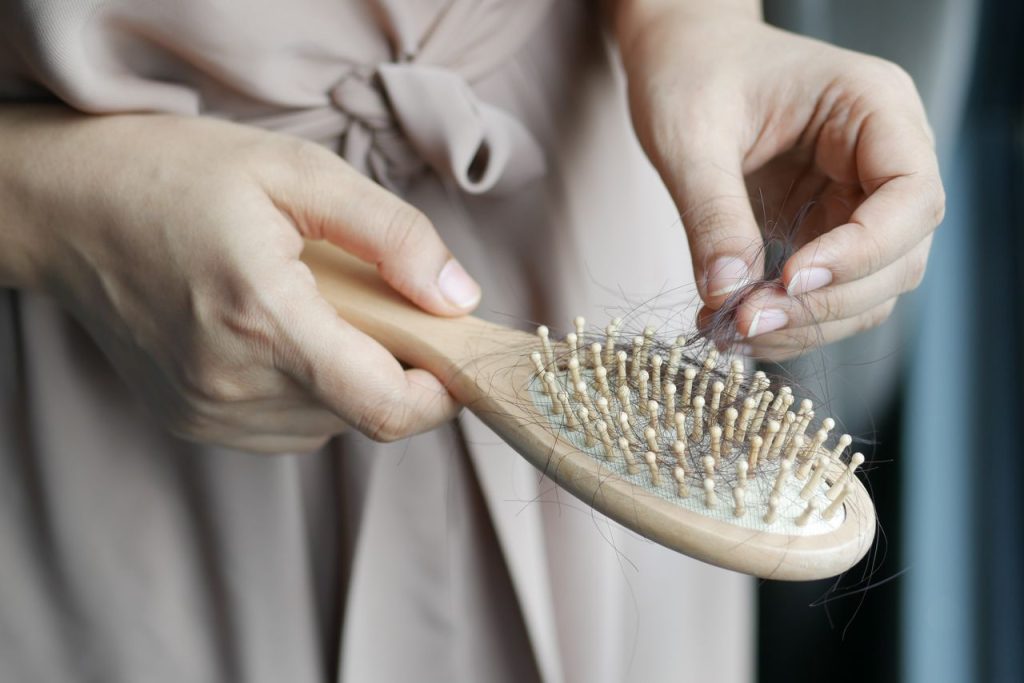
Perhaps you’ve noticed your hair gradually becoming thinner.
Maybe your hairline has started receding.
Or you’ve noticed that your part is getting wider and your scalp is becoming more visible.
You may have heard about a noninvasive treatment called:
TED Hair Restoration
And now you’re wondering:
“Am I a good candidate?”
“Does it matter how much hair I’ve already lost?”
“Will it work for men and women?”
“What if my hair loss is hereditary?”
“What if my thinning is caused by hormones?”
“How do I know whether my follicles are still active?”
These are exactly the kinds of questions I believe patients should ask before committing to a hair restoration procedure.
At Advanced Integrated Medical, we offer the original Alma TED acoustic-energy system.
But the fact that a treatment is available doesn’t automatically mean it’s appropriate for everyone.
And because clinical evidence for the original TED system remains limited, we cannot reliably predict which patients will benefit.
The best candidate is not simply someone who wants more hair. It’s someone whose diagnosis, health, expectations, and treatment preferences have been carefully evaluated.
Not Sure Where to Start?
Choose the question that sounds most like yours:
- I’m not sure why my hair is thinning. → Why Is My Hair Getting Thinner?
- I’m a man with a receding hairline or thinning crown. → What Causes Hair Loss in Men?
- I’m a woman with a widening part or reduced hair volume. → What Causes Hair Thinning in Women?
- I want to understand the TED procedure. → What Is TED Hair Restoration, and How Does It Work?
- I want to know whether TED is appropriate for me. → You’re in the right place.
What You’ll Learn
In this chapter, we’ll discuss:
- What makes someone a potential TED candidate
- Why the type of hair loss matters
- Whether early thinning is different from advanced baldness
- How male and female pattern hair loss differ
- Why active follicles matter
- Which medical conditions should be investigated first
- When TED may be inappropriate
- What a good hair restoration consultation should include
- How to set realistic expectations
- What treatment alternatives should be discussed
- How many sessions may be proposed
- What questions to ask before committing financially
- How to evaluate whether treatment helped
Quick Answer
The original Alma TED system is a noninvasive, acoustic-energy-assisted topical delivery technology marketed for improving the appearance of thinning hair.
Someone with gradual thinning and a confirmed diagnosis may be interested in discussing TED as a cosmetic option.
However, there are no well-established, validated clinical criteria that reliably identify who will respond to the original TED procedure.
A person with early thinning should not automatically be labeled a good responder, and someone with more advanced loss should not be promised regrowth.
Patients with sudden, patchy, painful, inflamed, or unexplained hair loss should receive appropriate medical evaluation before considering cosmetic treatment.
A good consultation should determine whether TED is reasonable to consider—not promise that it will work.
First, What Does TED Actually Do?
TED stands for:
TransEpidermal Delivery
The original Alma TED system uses acoustic energy to assist delivery of a topical formulation through the scalp’s outer skin barrier.
The procedure is designed to be performed without conventional injections or surgery.
It is marketed as a noninvasive hair restoration approach.
However, it’s important to distinguish the technology’s intended delivery mechanism from proven clinical outcomes.
A device may be designed to improve topical delivery without having strong evidence that it consistently increases hair density in patients with hereditary hair loss.
That’s why candidate selection must begin with an accurate diagnosis and a discussion of the evidence.
Candidate Consideration #1: What Type of Hair Loss Do You Have?
This is the most important question.
Hair thinning can result from many conditions.
Some involve progressive follicular miniaturization.
Others involve excessive shedding.
Some are caused by medical disorders.
And certain inflammatory conditions can permanently destroy follicles.
These situations require different approaches.
What If I Have Male Pattern Hair Loss?
Male pattern hair loss, or androgenetic alopecia, commonly affects:
- Temples
- Frontal hairline
- Crown
- Top of the scalp
It involves genetically susceptible follicles that gradually produce finer and shorter hairs.
Some men with early thinning may be interested in noninvasive cosmetic treatments.
But established options such as topical minoxidil and prescription finasteride have stronger clinical evidence than the original TED system.
TED should not be presented as a proven replacement for those treatments.
What If I Have Female Pattern Hair Loss?
Female pattern hair loss commonly causes:
- A widening part
- Reduced central scalp density
- Thinning over the crown
- Less hair volume
- A thinner ponytail
Women may be interested in TED because the original procedure does not ordinarily involve needles.
However, female pattern hair loss must be distinguished from:
- Thyroid-related hair loss
- Iron deficiency
- Telogen effluvium
- Medication-related shedding
- Inflammatory scalp disease
A woman should not automatically be considered a TED candidate simply because her hair has become thinner after menopause.
Candidate Consideration #2: How Much Hair Have You Lost?
The extent of hair loss matters when discussing expectations.
A person with mild thinning may still have many follicles producing visible hair.
Someone with extensive, long-standing baldness may have substantially fewer functioning follicles in the affected area.
These situations are biologically different.
But here’s an important caution:
We do not have strong evidence proving that a specific stage of hair loss predicts a favorable TED response.
It’s reasonable to discuss the degree of thinning.
It is not reasonable to promise that early thinning will respond.
What If My Hair Is Just Beginning to Thin?
If you’ve recently noticed:
- Reduced fullness
- A slightly wider part
- Early crown thinning
- Finer hair texture
the first priority should be determining why those changes are occurring.
For hereditary pattern hair loss, established treatments may help preserve existing hair.
TED may be discussed as an additional cosmetic option, but its effectiveness remains uncertain.
What If I’ve Been Bald for Many Years?
Patients with extensive, long-standing baldness should have particularly cautious expectations.
TED should not be expected to reliably restore areas where follicles have been permanently destroyed.
For selected patients with established androgenetic alopecia, hair transplantation may be a more appropriate option to discuss.
Other patients may prefer medical treatment, cosmetic hair systems, or no intervention.
Candidate Consideration #3: Are Your Follicles Still Functioning?
Hair follicles can become progressively miniaturized.
Instead of producing thick terminal hairs, they produce finer and shorter hairs.
A dermatologist may assess hair caliber and follicular patterns using magnification or trichoscopy.
But the presence of miniaturized follicles does not prove that TED will restore their normal function.
Follicle viability matters biologically, but it is not a validated TED success test.
Candidate Consideration #4: Is Your Hair Loss Temporary?
Some types of shedding are temporary.
For example:
Telogen Effluvium
This may occur after:
- Major illness
- Surgery
- Significant emotional stress
- Rapid weight loss
- Childbirth
- Severe nutritional restriction
Hair shedding often becomes noticeable a few months after the triggering event.
When the underlying trigger resolves, hair growth frequently improves over time.
Would TED Help Stress-Related Shedding?
There is insufficient evidence to recommend the original TED procedure as an established treatment for telogen effluvium.
If someone is experiencing temporary shedding, it may be more appropriate to identify and address the trigger and monitor recovery.
A cosmetic procedure should not be presented as necessary for a condition that may improve naturally.
Candidate Consideration #5: Could You Have a Thyroid Problem?
Thyroid dysfunction can contribute to hair thinning.
Possible associated symptoms include:
- Fatigue
- Weight changes
- Temperature intolerance
- Dry skin
- Changes in bowel habits
- Heart-rate changes
If thyroid disease is suspected, appropriate medical evaluation should come first.
TED does not correct thyroid dysfunction.
Candidate Consideration #6: Could You Have a Nutritional Deficiency?
Hair follicles require adequate nutrition.
Potential contributors to hair loss include:
- Iron deficiency
- Inadequate protein intake
- Zinc deficiency
- Severe calorie restriction
- Certain other nutritional deficiencies
When a deficiency is identified, correcting it may be important.
TED should not replace appropriate nutritional or medical treatment.
Candidate Consideration #7: Is Your Scalp Healthy?
A scalp examination is an important part of determining whether cosmetic treatment is appropriate.
Warning signs include:
- Redness
- Pain
- Burning
- Significant itching
- Scaling
- Crusting
- Pustules
- Open wounds
- Scarring
These findings may indicate an underlying scalp disorder.
Why Scarring Alopecia Is Especially Important
Certain inflammatory conditions can permanently destroy hair follicles.
Examples include:
- Frontal fibrosing alopecia
- Lichen planopilaris
- Central centrifugal cicatricial alopecia
- Other scarring disorders
Some forms can progress without dramatic symptoms.
Suspected scarring alopecia requires timely dermatological evaluation—not a cosmetic hair restoration package.
Candidate Consideration #8: Are You Expecting Realistic Results?
This may be one of the most important considerations.
Some patients hope for:
- Less visible scalp
- Improved apparent fullness
- Better hair density
- A thicker-looking part
- Improved confidence
Others expect:
“I want all the hair I had when I was twenty.”
That expectation may not be realistic.
Even established hair-loss treatments do not guarantee complete restoration.
For the original TED procedure, the uncertainty is greater because high-quality clinical evidence remains limited.
What Would Count as a Successful Result?
Success should be defined before treatment.
Possible goals might include:
- Documented improvement in apparent scalp coverage
- Increased hair density measured objectively
- Improved hair caliber
- Slower progression, when measurable
- Patient satisfaction with appearance
But these are potential outcomes to evaluate—not promises.
A patient may also experience no meaningful improvement.
That possibility should be discussed before treatment begins.
How Should We Measure Improvement?
Hair appearance can change significantly depending on:
- Lighting
- Camera angle
- Hair length
- Hairstyle
- Hair color
- Scalp visibility
Therefore, photographs should be standardized as much as possible.
A reasonable approach may include:
- Baseline photographs
- Consistent lighting
- Similar hair length and styling
- Repeated photographs from the same angles
- Objective hair measurements when available
A dermatologist may use trichoscopy or other techniques to assess hair density and caliber.
If we’re going to evaluate a treatment, we need a reasonable way to determine whether anything actually changed.
Candidate Consideration #9: Have You Considered Established Treatments?
Before choosing TED, patients should understand the treatments with stronger evidence for their diagnosis.
For example:
Topical Minoxidil
An established treatment for certain types of male and female pattern hair loss.
Prescription Finasteride
An established treatment for appropriately selected men with male pattern hair loss.
Other Prescription Options
Selected women may be candidates for medications prescribed under appropriate medical supervision.
Low-Level Light Therapy
Certain devices have clinical evidence supporting use in pattern hair loss.
PRP
Studied for androgenetic alopecia, although preparation methods and clinical results vary.
Hair Transplantation
May be appropriate for selected patients with suitable donor hair.
TED should be discussed within this broader treatment landscape.
Is TED Better Than Minoxidil?
There is insufficient high-quality evidence to conclude that the original TED system is more effective than topical minoxidil.
Patients should understand that minoxidil has an established clinical evidence base for pattern hair loss.
TED should not automatically replace it.
Is TED Better Than PRP?
The procedures differ.
PRP involves blood collection, preparation, and injections.
The original TED procedure uses acoustic-assisted topical delivery without conventional injections.
Both have limitations in their evidence, but TED has a more limited published clinical evidence base.
Reliable conclusions about superiority cannot currently be made.
Can I Receive TED If I’m Already Using Hair-Loss Medication?
Possibly, but combination treatment should be discussed with the relevant healthcare professionals.
There is insufficient high-quality evidence to conclude that adding the original TED procedure to standard medical treatment consistently improves outcomes.
Patients should also ask whether any topical products need to be withheld before or after the procedure.
Candidate Consideration #10: Do You Understand the Financial Commitment?
Hair restoration can involve significant expense.
Before purchasing a package, ask:
- What is the cost per session?
- How many sessions are proposed?
- What is the total cost?
- What products are included?
- Are additional products required?
- Are maintenance sessions recommended?
- What happens if I don’t see improvement?
- What are the cancellation and refund policies?
A patient should understand the cost and uncertainty before committing to treatment.
How Many TED Treatments Might Be Recommended?
The original TED system is commonly marketed using a series of treatments.
One frequently described commercial protocol involves:
Three treatments spaced approximately four to six weeks apart.
However, the optimal number of treatments and intervals have not been established by strong comparative clinical evidence.
A proposed schedule should be explained as a treatment protocol rather than a guarantee of effectiveness.
How Long Would It Take to See Results?
Hair grows slowly.
Even effective treatments usually require several months before meaningful changes become visible.
For TED, the timing and likelihood of benefit are not well established.
Patients should not expect immediate regrowth or assume that a specific number of weeks guarantees improvement.
Will I Need Maintenance Treatments?
Some providers recommend maintenance treatments.
However, there is insufficient high-quality evidence to establish an optimal maintenance schedule for the original TED system.
Patients should ask what evidence supports additional treatments and whether the financial commitment is justified by their observed results.
Who May Not Be an Appropriate TED Candidate?
TED may be inappropriate or should be deferred when:
- The cause of hair loss is unknown and requires medical evaluation
- There is active scalp infection
- There are open wounds or significant irritation
- Scarring alopecia is suspected
- There is an untreated medical cause of hair loss
- The patient has a relevant contraindication listed in the device instructions
- The patient has a known sensitivity to formulation ingredients
- Expectations are unrealistic
- The patient has not been adequately informed about the limited evidence
The exact contraindications must be checked against the current instructions for the specific device and formulation.
What About Pregnancy or Breastfeeding?
Patients who are pregnant, breastfeeding, or planning pregnancy should not assume that a cosmetic scalp treatment or topical formulation is automatically safe.
The ingredients, device instructions, and individual medical circumstances should be reviewed with an appropriately qualified clinician.
Elective cosmetic treatment may be deferred when safety information is insufficient.
What About Patients With Autoimmune Disease?
Autoimmune disease does not automatically mean all cosmetic procedures are prohibited.
However, certain autoimmune conditions can directly affect hair follicles or scalp inflammation.
Patients with autoimmune-related hair loss should obtain appropriate medical or dermatological evaluation before considering TED.
What About Patients With Diabetes?
Diabetes does not automatically establish whether someone is or is not a candidate.
However, scalp health, wound healing, infections, other medical conditions, and the device’s contraindications should be considered.
The underlying type of hair loss still needs to be identified.
What About Older Patients?
Age alone should not determine whether someone is a candidate.
A healthy older adult with gradual thinning may have different considerations from someone with:
- Extensive long-standing baldness
- Active scalp disease
- Multiple medical conditions
- Medication-related shedding
The diagnosis, health status, expectations, and evidence matter more than age alone.
What About Younger Patients?
Younger adults may develop hereditary pattern hair loss.
But progressive thinning at a young age should be appropriately diagnosed before cosmetic treatment.
For minors, evaluation by a qualified medical professional is particularly important.
TED should not be offered simply because a young person is concerned about their appearance.
Four Patients Considering TED
Let’s consider four hypothetical examples.
These examples illustrate how evaluation can change the treatment discussion. They do not predict TED outcomes.
Patient A: Early Crown Thinning
A 35-year-old man notices gradual thinning at the crown.
He has a family history of male pattern hair loss.
A dermatologist confirms androgenetic alopecia.
He may be a candidate for discussing multiple treatment options, including established medical therapy.
TED could be discussed as a cosmetic option, but benefit cannot be predicted or guaranteed.
Patient B: Hair Thinning After Menopause
A 59-year-old woman notices a widening part.
She assumes menopause is the cause.
However, she also reports fatigue and cold intolerance.
Before considering cosmetic treatment, thyroid evaluation may be appropriate.
If a medical cause is identified, it should be addressed.
Patient C: Sudden Hair Shedding After Surgery
A 46-year-old woman begins shedding large amounts of hair approximately three months after major surgery.
Her pattern suggests telogen effluvium.
She may benefit more from medical evaluation, reassurance, and monitoring than from an elective cosmetic procedure.
Patient D: Painful Scalp With Patchy Hair Loss
A 67-year-old woman notices thinning near the frontal hairline, eyebrow loss, and scalp burning.
These symptoms raise concern for an inflammatory or scarring alopecia.
She needs timely dermatological evaluation.
TED should not delay that assessment.
What Should a Good TED Consultation Include?
A thoughtful consultation should involve more than looking at the scalp and quoting a package price.
It should include:
- Medical History
Review relevant health conditions, medications, recent illness, and potential hair-loss triggers.
- Hair-Loss History
Determine when the thinning began and whether it is progressive, sudden, diffuse, or patchy.
- Scalp Assessment
Look for signs of inflammation, infection, scarring, or other conditions requiring referral.
- Diagnosis
Determine whether the pattern is consistent with androgenetic alopecia or another condition.
If the diagnosis is uncertain, seek appropriate specialist evaluation.
- Treatment Alternatives
Discuss established therapies and other reasonable options.
- Evidence and Limitations
Explain the limited clinical evidence for the original TED system.
- Expectations
Define what improvement would mean and acknowledge the possibility of no benefit.
- Cost
Explain the total financial commitment.
- Documentation
Establish baseline photographs or other measurements when appropriate.
- Follow-Up
Discuss how and when results will be evaluated.
How We Approach TED Hair Restoration at Advanced Integrated Medical
At Advanced Integrated Medical, we offer the original Alma TED acoustic-energy system.
But the first question should never be:
“How many treatments can we schedule?”
It should be:
“What is causing your hair loss?”
We want to understand:
Is the thinning gradual or sudden?
Is it hereditary?
Is the hairline receding?
Is the part widening?
Are there medical conditions that need attention?
Is the scalp healthy?
Have established treatments been considered?
What are your expectations?
What is your comfort level with the uncertainty of results?
If additional medical or dermatological evaluation is indicated, that should take priority.
Then we can discuss whether TED is a reasonable option to consider.
A good consultation should help you make a decision—even if that decision is not to proceed with treatment.
About Dr. Dee
Dr. D. Scott (“Dee”) Stevens has spent nearly four decades helping patients understand their health concerns and make informed decisions about treatment.
Throughout his career, he has worked with patients from many backgrounds, including professional, collegiate, and Olympic athletes.
One lesson I’ve learned is that a treatment should be selected because it fits the patient’s condition.
Not because it’s new.
Not because it’s popular.
And not simply because it’s available.
That principle applies to hair restoration just as much as it applies to joint pain and peripheral neuropathy.
Dr. Dee’s Clinical Pearl
When someone asks:
“Am I a good candidate for TED?”
I think the better first question is:
“Do we know why you’re losing your hair?”
If we don’t know the cause, we don’t yet have enough information to make a responsible treatment recommendation.
And even when the diagnosis is clear, we should be transparent about the limits of the evidence.
Dr. Dee’s Office Conversation
Patient: “Doctor, I heard TED can help people with thinning hair. Am I a good candidate?”
Dr. Dee: “Let’s first understand your type of hair loss and whether there are any medical conditions contributing.”
Patient: “My hair has been getting thinner for several years.”
Dr. Dee: “That history may suggest hereditary pattern hair loss, but we shouldn’t assume. We also need to examine the scalp and consider other causes.”
Patient: “If it is hereditary, will TED work?”
Dr. Dee: “I wouldn’t promise that. We can discuss the technology and its limitations, along with treatments that have stronger evidence, so you can decide what’s appropriate for you.”
Facing One of the Biggest Fears
“What If I’m Not a Good Candidate?”
Some patients worry that being told a treatment isn’t appropriate means there’s no hope.
That’s not necessarily true.
It may simply mean another approach makes more sense.
For example:
- Thyroid-related hair loss may require thyroid treatment.
- Iron deficiency may require correction.
- Telogen effluvium may improve after its trigger resolves.
- Pattern hair loss may respond to established medical therapy.
- Extensive baldness may warrant a hair transplant consultation.
- Scarring alopecia may require dermatological treatment to prevent further loss.
Not being a candidate for one treatment doesn’t mean there are no options.
Hair Health Success Principle #5
The Right Candidate Begins With the Right Diagnosis
A successful treatment decision should not begin with:
“I want TED.”
It should begin with:
“What type of hair loss do I have?”
Then:
What is causing it?
What treatments have evidence?
What are the risks?
What are the limitations?
What results are realistic?
What will it cost?
The goal isn’t to qualify everyone for a procedure. It’s to help each patient choose wisely.
Ask Dr. Dee
“Doctor, should I buy a three-treatment TED package before I know whether it will work?”
I would encourage you to understand the diagnosis, evidence, alternatives, cost, and uncertainty before making that commitment.
No provider can guarantee that the original TED procedure will improve your hair density.
A package should never substitute for informed decision-making.
A Lesson I’ve Learned in Nearly 40 Years
Sometimes the Best Recommendation Is Not to Perform a Procedure
Patients often assume that if a clinic offers a treatment, the clinic will recommend it.
But good healthcare sometimes means saying:
“Let’s investigate this first.”
Or:
“Another treatment has stronger evidence.”
Or:
“You should see a specialist.”
Or even:
“I don’t believe this procedure is the best choice for you.”
Those conversations may not be as exciting as discussing new technology.
But they are important.
The patient’s best interest should come before the procedure.
The Hope Principle
Hair thinning can be discouraging.
Some people feel embarrassed.
Others worry that the loss will continue.
And many simply want to feel comfortable with their appearance again.
There are several ways to approach hair loss.
Some involve established medical treatments.
Some involve procedures.
Others involve addressing underlying health conditions.
And some people decide that no treatment is necessary.
There is no single correct choice for everyone.
Hope means understanding your options—not being promised a result that no one can guarantee.
“I believe the best healthcare decisions are made when patients understand their condition. My job isn’t simply to treat symptoms—it’s to help you understand why they’re happening and what your options are.”
— Dr. D. Scott (“Dee”) Stevens
Frequently Asked Questions
Who is a good candidate for TED hair restoration?
There are no well-established clinical criteria that reliably predict who will respond to the original TED system. Patients with diagnosed thinning hair may discuss it as a cosmetic option after understanding the limited evidence and available alternatives.
Is TED better for early hair thinning?
Early thinning may leave more functioning follicles than extensive long-standing baldness, but this does not establish that early thinning predicts a favorable TED response.
Can men receive TED treatments?
Yes, men may be interested in the procedure, but male pattern hair loss should be accurately diagnosed and established treatment options discussed.
Can women receive TED treatments?
Yes, women may consider the procedure, but hormonal, nutritional, thyroid-related, and inflammatory causes of hair loss should be evaluated when appropriate.
Can TED restore a completely bald scalp?
It should not be expected to reliably restore extensive areas of long-standing baldness or follicles destroyed by scarring disorders.
Can TED help hair loss caused by menopause?
Menopause-associated thinning requires an accurate diagnosis. TED is not an established treatment for hormonal disorders, and its benefit for specific patterns of female hair loss remains uncertain.
Can TED help stress-related hair loss?
There is insufficient evidence to recommend the original TED procedure as an established treatment for telogen effluvium.
Can TED help thyroid-related hair loss?
TED does not correct thyroid dysfunction. An underlying thyroid condition should be evaluated and treated appropriately.
Can TED help hair loss from iron deficiency?
TED does not correct iron deficiency. Identified deficiencies should be addressed medically.
Is TED appropriate for alopecia areata?
TED is not an established treatment for alopecia areata. A dermatologist should evaluate suspected autoimmune hair loss.
Is TED appropriate for scarring alopecia?
Suspected scarring alopecia requires prompt dermatological evaluation. TED should not delay diagnosis or treatment.
How many TED sessions are usually recommended?
A commonly marketed protocol involves three sessions approximately four to six weeks apart. The optimal schedule has not been established by strong comparative evidence.
How long before I see results?
Hair changes, if they occur, may take months to become visible. The likelihood and timing of benefit from the original TED system remain uncertain.
Is TED better than minoxidil?
There is insufficient high-quality evidence to conclude that the original TED system is superior to topical minoxidil.
Is TED painful?
The original procedure is designed to be noninvasive and needle-free, although individual experiences vary.
Is TED the same as TED+?
No. The original TED system uses acoustic energy. TED+ is a newer device using different laser-based technology and has separate regulatory documentation.
Should I see a dermatologist before TED?
A dermatology evaluation is particularly important for unexplained, sudden, patchy, painful, inflamed, or scarring hair loss, and may be useful for confirming pattern hair loss.
Key Takeaways
- TED is a noninvasive, acoustic-energy-assisted topical delivery procedure.
- It is not appropriate to assume everyone with thinning hair will benefit.
- No validated criteria reliably predict response to the original TED system.
- The cause of hair loss should be identified before cosmetic treatment.
- Male and female pattern hair loss require different considerations.
- Early thinning does not guarantee a favorable response.
- Extensive long-standing baldness requires cautious expectations.
- Temporary shedding may improve when its trigger resolves.
- Thyroid disorders and nutritional deficiencies should be addressed appropriately.
- Scarring and inflammatory scalp conditions require medical evaluation.
- Established medical treatments have stronger evidence for certain types of pattern hair loss.
- The commonly marketed three-treatment schedule is not a guaranteed or universally optimal protocol.
- Results should be documented objectively when possible.
- Patients should understand the financial commitment.
- A good candidate evaluation should help patients make an informed choice—not simply sell a treatment.
Why Patients Choose Advanced Integrated Medical
At Advanced Integrated Medical, we believe patients deserve honest information about the treatments they’re considering.
We want to understand:
What type of hair loss do you have?
How long has it been progressing?
Could an underlying medical condition be involved?
Is your scalp healthy?
Have established treatments been considered?
What are your goals?
What evidence supports the proposed treatment?
What results are realistic?
What will the treatment cost?
Then we can discuss whether the original Alma TED system is a reasonable option to consider.
Our goal is to help you understand your options and make an informed decision.
Continue Exploring the Hair Restoration Learning Center
You may also want to read:
- Why Is My Hair Getting Thinner? Understanding the Causes of Hair Loss in Men and Women
- What Causes Hair Loss in Men? Understanding Receding Hairlines and Thinning Crowns
- What Causes Hair Thinning in Women? Understanding Hormones, Menopause, and Female Hair Loss
- What Is TED Hair Restoration, and How Does It Work?
Medical Disclaimer
This article is intended for educational purposes only and does not replace individualized medical diagnosis or treatment.
The original Alma TED system is an acoustic-energy-assisted topical delivery device. Clinical evidence for its effectiveness in treating specific types of hair loss remains limited.
There are no established criteria that reliably predict which patients will experience meaningful hair regrowth following the original TED procedure.
TED should not be represented as a guaranteed treatment for androgenetic alopecia, telogen effluvium, alopecia areata, scarring alopecia, or hair loss related to medical conditions.
Potential risks, contraindications, topical ingredient sensitivities, and aftercare requirements should be reviewed using the current instructions for the exact device and formulation used.
Patients with sudden, patchy, painful, inflamed, or unexplained hair loss should seek appropriate medical evaluation, often from a dermatologist.
Treatment decisions should account for diagnosis, available evidence, alternatives, medical history, risks, cost, and patient preferences.
Ready to Learn More?
If you’re considering TED hair restoration, begin by asking:
What type of hair loss do I have?
Is the thinning hereditary?
Could another medical condition be contributing?
Are my follicles still producing hair?
What evidence supports TED for my situation?
What alternatives should I consider?
What results are realistic?
How will we measure improvement?
What is the total cost?
At Advanced Integrated Medical, we believe a good consultation should leave you better informed—even if you decide not to proceed with treatment.
The right treatment begins with the right diagnosis, realistic expectations, and an informed decision.
Advanced Integrated Medical
Advanced Care • Natural Healing • Real Results