
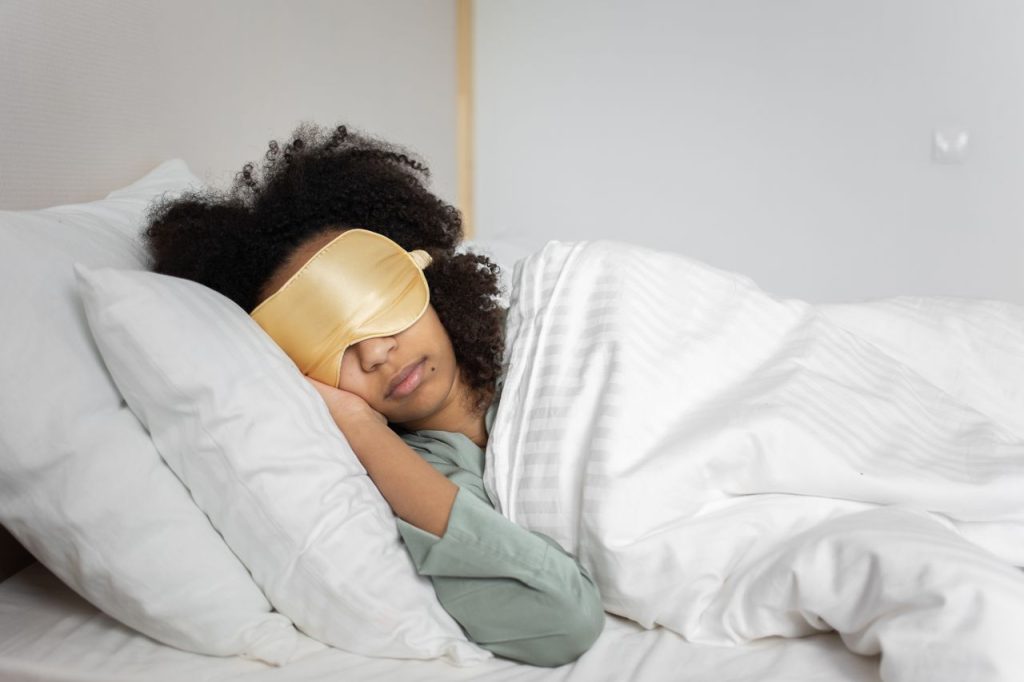
Can Peripheral Neuropathy Affect My Sleep?
Not Sure Where to Start?
Choose the description that sounds most like what you’re experiencing:
🔥 My feet burn at night → Why Do My Feet Burn at Night?
😴 My neuropathy keeps waking me up → You’re in the right place. Keep reading.
👣 My feet or toes are numb → What Causes Numbness in My Toes?
⚡ My feet tingle → Is Tingling in My Feet Always a Sign of Peripheral Neuropathy?
🧊 My feet feel cold even when they’re warm → Why Are My Feet Cold Even When They Feel Warm?
📈 I want to know whether I’m improving → How Do I Know If My Peripheral Neuropathy Is Getting Better?
What You’ll Learn
In this chapter you’ll discover:
- Why peripheral neuropathy can interfere with sleep
- Why symptoms often seem worse after you go to bed
- How poor sleep can make pain harder to tolerate
- Why sheets and blankets can become uncomfortable
- How temperature changes may affect symptoms
- Why nighttime leg symptoms aren’t always neuropathy
- Practical strategies that may make sleep easier
- When persistent sleep problems deserve further evaluation
Quick Answer
Yes. Peripheral neuropathy can significantly interfere with sleep.
Patients may struggle with:
- Burning feet
- Tingling
- Electric or shooting sensations
- Stabbing pain
- Increased sensitivity
- Numbness
- Uncomfortable temperature sensations
- Restlessness
- Difficulty finding a comfortable position
Some people fall asleep normally but wake repeatedly.
Others dread going to bed because they know that once the distractions of the day disappear, their feet will seem to demand all of their attention.
Then another problem develops:
Neuropathy disrupts sleep—and poor sleep can make coping with neuropathy even harder.
Breaking that cycle can become an important part of helping someone live better with neuropathy.
Why Does Neuropathy Seem Worse at Night?
Many patients ask me:
“Why can I handle my feet during the day, but at night they drive me crazy?”
There are several possible reasons.
During the day your brain is processing an enormous amount of information.
You may be:
- Working
- Talking
- Walking
- Driving
- Watching television
- Shopping
- Spending time with family
Those activities compete for your attention.
At night, the environment becomes quiet.
There are fewer distractions.
Suddenly the burning or tingling that was present earlier becomes much harder to ignore.
The neuropathy may not necessarily have become dramatically worse.
Your awareness of it may have become greater.
Lying Still Can Make Symptoms More Noticeable
During the day, movement continually changes the sensory information reaching your brain.
At night, you may remain in essentially the same position for long periods.
Without the competing input from movement and activity, abnormal nerve sensations can become more noticeable.
Patients sometimes describe it this way:
“As soon as I lie down, my feet start talking to me.”
For some people, that is exactly what it feels like.
Why Can the Bedsheets Hurt My Feet?
One particularly frustrating neuropathy symptom is pain from something that normally shouldn’t hurt.
A lightweight sheet touching the toes may feel:
- Painful
- Burning
- Irritating
- Unbearably sensitive
This type of pain response is called:
Allodynia
Allodynia occurs when normally nonpainful stimulation is perceived as painful.
Patients sometimes think this sounds strange.
It isn’t.
It is a recognized neurological symptom.
Hot Feet, Cold Feet—and Sometimes Both
Peripheral neuropathy can distort temperature perception.
One patient may say:
“My feet feel like they’re on fire.”
Another says:
“My feet feel like they’re freezing.”
And sometimes the feet feel cold even though they are physically warm to the touch.
These altered temperature sensations may become particularly distracting at night.
But actual coldness, skin color changes, wounds, or other circulation concerns should not automatically be blamed on neuropathy.
Circulation problems sometimes require separate evaluation.
The Neuropathy–Sleep Cycle
Sleep and pain can influence one another.
Think of it as a cycle:
Neuropathy symptoms → Poor sleep → Fatigue → Reduced ability to cope with pain → Greater symptom burden → More difficulty sleeping
After several nights of poor sleep, patients may become:
- Exhausted
- Irritable
- Anxious
- Less active
- Less able to concentrate
- More sensitive to discomfort
This is why sleep shouldn’t be dismissed as merely a secondary inconvenience.
Sleep is part of the clinical picture.
Sleep Is When the Body Does Important Work
Sleep supports many aspects of health, including:
- Memory
- Mood
- Immune function
- Metabolic health
- Hormonal regulation
- Physical recovery
- Pain processing
Sleep is not a luxury.
It is a biological necessity.
That doesn’t mean sleeping eight hours will cure neuropathy.
But chronic sleep deprivation can make living with any painful condition much more difficult.
Could Anxiety About Sleep Make the Problem Worse?
Yes.
After enough difficult nights, patients may develop what I call bedtime anticipation.
They begin thinking:
“Here we go again.”
“I’m never going to sleep tonight.”
“My feet are going to start burning.”
Now the person is dealing with both neuropathy symptoms and anxiety about those symptoms.
That can make relaxation even more difficult.
This doesn’t mean the neuropathy is psychological.
The nerve symptoms are real.
It simply means that the brain and nervous system respond to expectation, stress, and sleep deprivation as well.
Is Restless Legs Syndrome the Same as Neuropathy?
No.
Restless legs syndrome and peripheral neuropathy are different conditions, although their symptoms can sometimes be confused.
Restless legs syndrome often produces:
- An uncomfortable urge to move the legs
- Symptoms that occur during rest
- Symptoms that tend to worsen in the evening
- Temporary relief with movement
Neuropathy more commonly causes:
- Burning
- Numbness
- Tingling
- Electric sensations
- Altered temperature sensation
- Reduced sensation
A patient can also have both conditions.
If you feel compelled to constantly move your legs at night, mention that specifically to your healthcare professional.
Could Leg Cramps Be Something Different?
Yes.
Nighttime leg cramps are not automatically peripheral neuropathy.
Muscle cramps may have different contributing factors, including:
- Muscle fatigue
- Dehydration
- Certain medications
- Electrolyte disturbances
- Circulatory problems
- Other medical conditions
The fact that something happens in the legs at night does not automatically make it neuropathy.
Once again:
Symptoms are clues. They are not conclusions.
What Can I Do Before Bed?
A consistent bedtime routine may help reduce some of the additional barriers to sleep.
Consider:
- Keeping a regular sleep and wake schedule
- Creating a quiet, dark sleeping environment
- Reducing stimulating activities immediately before bed
- Limiting late caffeine
- Discussing alcohol use if it affects sleep or neuropathy
- Finding a comfortable room temperature
- Using footwear or bedding that does not irritate sensitive feet
- Practicing a calming routine before bed
The goal is to remove as many unnecessary sleep obstacles as possible.
What About Phones and Television?
Many people use phones, tablets, or television to distract themselves from neuropathy.
That is understandable.
But prolonged stimulating screen use near bedtime may make it harder for some people to transition into sleep.
You don’t necessarily need to create a perfect sleep environment overnight.
Start with small changes.
Maybe that means:
- Putting the phone down earlier
- Dimming the room
- Listening to quiet audio instead
- Establishing the same bedtime routine most nights
Small habits can add up.
What If the Sheets Hurt?
If light bedding triggers painful sensitivity, experiment with ways to reduce direct pressure on the feet.
Some patients find that:
- Looser bedding
- Lightweight blankets
- Different sleep positions
- Keeping pressure off sensitive toes
makes sleep more tolerable.
The safest approach depends on your individual condition.
Be especially careful with heating pads, hot-water bottles, or other heat sources if sensation is reduced.
A person who cannot accurately feel temperature may suffer a burn without realizing it.
Be Careful With Heat
This deserves special emphasis.
When feet burn, people sometimes try extreme cooling.
When feet feel cold, they may apply significant heat.
Both can be dangerous when protective sensation is impaired.
Avoid placing numb feet directly against:
- Heating pads
- Space heaters
- Hot-water bottles
- Very hot water
- Extremely cold objects
Always protect skin when sensation is reduced.
Should I Exercise During the Day?
Appropriate physical activity may help support:
- Sleep quality
- Strength
- Balance
- Cardiovascular health
- Glucose regulation
- Mood
- Mobility
But exercise should be appropriate for your health and physical abilities.
If neuropathy has significantly affected balance, weakness, or foot sensation, the activity program may need modification.
Remember:
Keep moving—but move wisely.
What About Medication?
Several medications may be used in conventional medical care to manage neuropathic pain.
For some patients, reducing nighttime pain may improve sleep.
But medication decisions depend on:
- Age
- Other medical conditions
- Other medications
- Kidney function
- Fall risk
- Side effects
- The type of neuropathy
- The severity of symptoms
Some medications can cause dizziness or sedation, which may increase fall risk—particularly if someone gets up during the night.
Medication decisions should therefore be individualized with the prescribing healthcare professional.
Don’t Forget the Trip to the Bathroom
This may sound like a small issue.
It isn’t.
A patient with:
- Numb feet
- Poor balance
- Sleepiness
- Darkness
- Medication-related dizziness
may be at increased risk of falling when getting out of bed.
Consider:
- Nightlights
- A clear pathway
- Removing loose rugs
- Keeping clutter off the floor
- Appropriate footwear
- Having a stable support nearby when needed
Protecting sleep also means protecting the patient when they wake up.
Could Sleep Apnea Be Part of the Problem?
Sometimes poor sleep has more than one cause.
Someone may blame all of their fatigue on neuropathy when another sleep disorder is also present.
Possible signs of sleep apnea can include:
- Loud snoring
- Witnessed pauses in breathing
- Gasping during sleep
- Morning headaches
- Significant daytime sleepiness
Persistent sleep problems deserve appropriate evaluation.
Not everything that disrupts sleep in someone with neuropathy is caused by neuropathy.
How We Evaluate Sleep Problems at Advanced Integrated Medical
When a patient tells me:
“My neuropathy is keeping me awake,”
I want to know exactly what that means.
I may ask:
- Is it burning?
- Tingling?
- Numbness?
- Cramping?
- Restlessness?
- Sensitivity to the sheets?
- Hot or cold sensations?
- How long does it take you to fall asleep?
- Are you waking during the night?
- How many times?
- Are you getting up to walk because movement helps?
- What medications are you taking?
- Are you afraid of falling when you get out of bed?
- Are you exhausted during the day?
Those answers help us understand whether neuropathy is the primary problem or whether something else may also be interfering with sleep.
Treatment Depends on the Cause
There is no single sleep solution for every patient with neuropathy.
Depending on the individual, the plan may involve:
- Addressing the cause of neuropathy when possible
- Managing neuropathic pain
- Improving sleep habits
- Adjusting activity
- Improving blood-sugar management when appropriate
- Addressing documented nutritional deficiencies
- Reviewing medications
- Improving nighttime safety
- Evaluating other sleep disorders
- Improving strength and balance
- Referral to another healthcare professional when appropriate
The goal is not simply:
“Make the patient unconscious for eight hours.”
The goal is better, safer, more restorative sleep.
About Dr. Dee
Dr. D. Scott (“Dee”) Stevens has spent nearly four decades helping patients with peripheral neuropathy, chronic pain, musculoskeletal disorders, sports injuries, and regenerative medicine.
Throughout his career, he has cared for patients from all walks of life—including professional, collegiate, and Olympic athletes, professional football players, Major League Baseball players, professional boxers, and MMA fighters.
One thing those years have taught me is that sleep affects nearly everything.
An athlete who doesn’t recover well doesn’t perform well.
And a patient with chronic neuropathy who barely sleeps may have a much harder time coping with pain, exercising, maintaining balance, and participating in everyday life.
Sleep deserves our attention.
Dr. Dee’s Clinical Pearl
I sometimes ask patients:
“If I could improve only one thing for you over the next month, what would make the biggest difference?”
You might expect them to say:
“Get rid of the numbness.”
But many say:
“Doctor, I just want to sleep.”
That tells me something important.
Sometimes improving someone’s life begins not with eliminating every symptom—but with helping them regain something as fundamental as a good night’s rest.
Dr. Dee’s Office Conversation
Patient: “Doctor, I can handle my feet during the day. But once I get into bed, the burning drives me crazy.”
Dr. Dee: “That is something I hear from many patients with neuropathy. Your nerves may not suddenly become dramatically worse at 10:00 at night. But when everything becomes quiet, those abnormal signals can become much harder to ignore. Let’s look at what is disturbing your sleep and what we can reasonably address.”
Facing One of the Biggest Fears
“I’m Afraid I’ll Never Sleep Normally Again.”
After weeks or months of poor sleep, it is easy to believe that every night will be the same.
But sleep can often be approached from several directions.
Maybe we cannot immediately eliminate every abnormal nerve sensation.
But we may still be able to work on:
- Pain
- Sleep habits
- Nighttime safety
- Activity
- Medication issues
- Anxiety surrounding bedtime
- Other sleep disorders
You do not have to solve everything at once.
Sometimes one improvement begins to interrupt the cycle.
Patient Success Principle #17
Protect Your Recovery Time
Your body cannot operate at its best when it never gets adequate rest.
Protecting sleep means treating bedtime as part of your health plan.
Ask yourself:
What is interfering with my sleep?
What can I change?
What needs medical attention?
What habits are helping?
What habits are hurting?
Sleep isn’t wasted time.
It’s recovery time.
Ask Dr. Dee
“Doctor, if my neuropathy is worse at night, does that mean the nerve damage is getting worse?”
Not necessarily.
Nighttime symptoms may feel more intense because there are fewer distractions and you’re paying greater attention to abnormal nerve signals.
What matters more is the overall trend.
Ask:
- Are symptoms spreading?
- Is numbness increasing?
- Is weakness developing?
- Is balance worsening?
- Is function declining?
If those things are changing, further evaluation may be appropriate.
Lesson I’ve Learned in Nearly 40 Years
Sometimes the Symptom That Matters Most Isn’t the One We Expected
Doctors may focus on pain scores.
Patients often focus on life.
A pain score might move from an 8 to a 6.
But what the patient tells me is:
“I slept six hours last night.”
That may mean more to them than the number.
I’ve learned to ask not only:
“How much does it hurt?”
but:
“What is this preventing you from doing?”
Sleep is often near the top of that list.
The Hope Principle
When neuropathy steals sleep night after night, it can make everything seem worse.
Pain feels bigger.
Fatigue becomes heavier.
Patience becomes shorter.
The future can begin to feel smaller.
That is why even modest improvements in sleep can matter so much.
Hope does not require waking tomorrow with perfectly normal feet.
Sometimes hope looks like:
Falling asleep a little sooner.
Waking one less time.
Having less burning.
Feeling safer when you get out of bed.
Having enough energy tomorrow to take a walk.
Small improvements can begin rebuilding a life that neuropathy has gradually interrupted.
“I believe the best healthcare decisions are made when patients understand their condition. My job isn’t simply to treat symptoms—it’s to help you understand why they’re happening and what your options are.”
— Dr. D. Scott (“Dee”) Stevens
Frequently Asked Questions
Why is my neuropathy worse at night?
Symptoms may become more noticeable because there are fewer distractions, you’re lying still, and your attention is more focused on abnormal sensations.
Can neuropathy cause insomnia?
Yes. Burning, pain, tingling, sensitivity, temperature sensations, and other neuropathy symptoms may interfere with falling or staying asleep.
Why do my bedsheets hurt my feet?
Some people with neuropathy develop allodynia, where normally nonpainful touch is experienced as painful.
Can poor sleep make neuropathy feel worse?
Poor sleep can make pain more difficult to tolerate and may worsen fatigue, mood, concentration, and overall symptom burden.
Is restless legs syndrome the same as neuropathy?
No. They are different conditions, although symptoms may overlap and a person can have both.
Should I use a heating pad on numb feet?
Use extreme caution. Reduced sensation can prevent you from recognizing excessive heat, increasing the risk of burns.
Can exercise help me sleep?
Appropriate physical activity may support sleep, mood, strength, metabolic health, and overall well-being. Exercise should be matched to your health and balance abilities.
Should I take a sleeping pill?
Sleep medications have benefits and risks and are not appropriate for everyone. Discuss persistent insomnia with your healthcare professional rather than starting or changing medication on your own.
Could something besides neuropathy be affecting my sleep?
Yes. Sleep apnea, restless legs syndrome, medications, pain from other conditions, anxiety, urinary problems, and other health issues may contribute.
Does better sleep mean my nerves are healing?
Not necessarily. Better sleep is an important improvement in quality of life, but it does not by itself prove nerve regeneration.
Key Takeaways
- Peripheral neuropathy can significantly interfere with sleep.
- Symptoms often seem worse at night because there are fewer distractions.
- Burning, tingling, temperature changes, and sensitivity to bedding may disturb sleep.
- Poor sleep can make pain and fatigue harder to manage.
- Restless legs syndrome and nighttime cramps are not the same as neuropathy.
- Nighttime fall prevention is important when sensation or balance is reduced.
- Be cautious with heating pads and extreme temperatures on numb feet.
- Other sleep disorders may coexist with neuropathy.
- Better sleep is a meaningful treatment goal even when numbness remains.
- Sleep isn’t a luxury. It is part of taking care of your health.
Why Patients Choose Advanced Integrated Medical
At Advanced Integrated Medical, we believe neuropathy care should focus on the person—not simply the feet.
We want to understand:
Are you sleeping?
Are you walking?
Are you maintaining your strength?
Do you feel safe?
Can you participate in the things that matter to you?
Because a person who sleeps better may have more energy to move.
A person who moves more safely may regain confidence.
And a person who regains confidence may begin participating more fully in life again.
Neuropathy care should be about more than chasing symptoms.
It should be about protecting quality of life.
Continue Exploring the Learning Center
You may also want to read:
- Why Is My Peripheral Neuropathy Worse at Night?
- Why Do My Feet Burn at Night?
- Why Are My Feet Cold Even When They Feel Warm?
- Can Peripheral Neuropathy Affect My Balance?
- Does Exercise Help Peripheral Neuropathy?
- Will Peripheral Neuropathy Eventually Keep Me From Walking?
- How Do I Know If My Peripheral Neuropathy Is Getting Better?
- I’ve Been Diagnosed With Peripheral Neuropathy—What Should I Do Next?
Medical Disclaimer
This article is intended for educational purposes only and is not a substitute for individualized medical diagnosis or treatment.
Persistent sleep problems, significant daytime sleepiness, suspected sleep apnea, worsening neuropathy, or medication-related concerns should be discussed with an appropriate healthcare professional.
Seek prompt medical evaluation for new or rapidly progressive weakness, new foot drop, major changes in walking, repeated falls, or other concerning neurological symptoms. Sudden one-sided weakness, facial drooping, speech difficulty, confusion, or other possible signs of stroke require emergency medical attention.
Ready to Learn More?
If neuropathy has begun stealing your sleep, don’t dismiss it as something you simply have to endure.
Ask:
What exactly is waking me up?
Is it burning, tingling, pain, restlessness, or something else?
Could another sleep problem be contributing?
What can I change safely?
What deserves further evaluation?
At Advanced Integrated Medical, our goal is to help you understand not only what you’re feeling—but how those symptoms are affecting your entire life.
Because good nerve health matters.
Good sleep matters.
And sometimes getting more of your life back begins with getting more of your night back.