
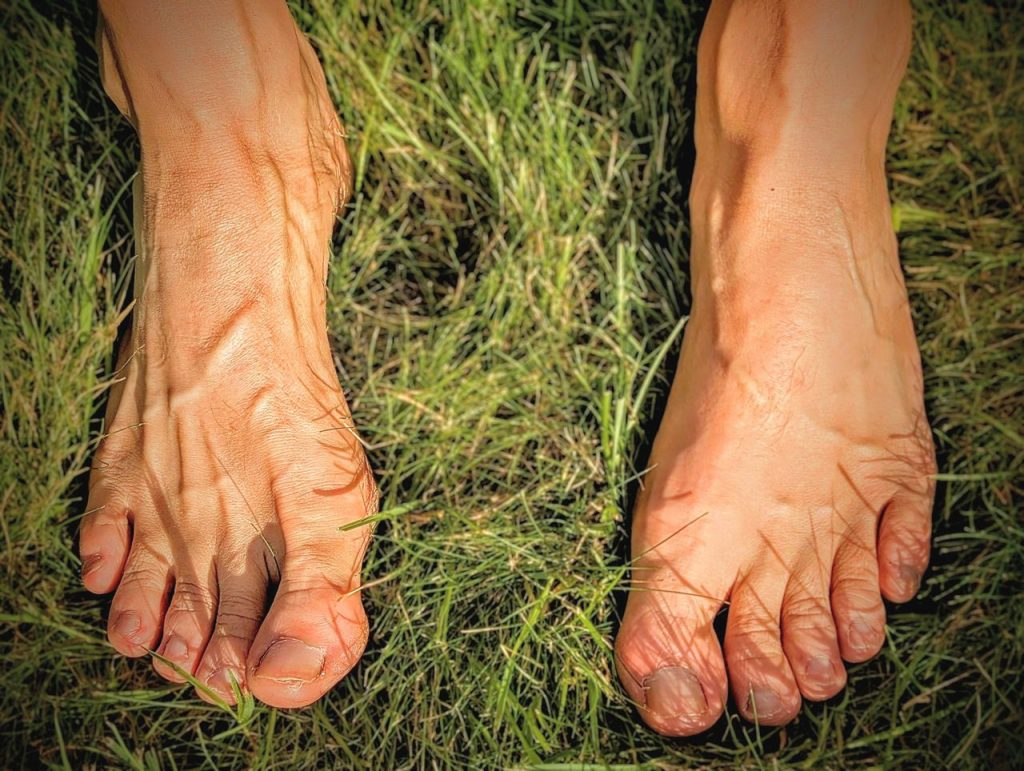
What Can I Do Every Day to Protect My Nerves and Feet?
If you have peripheral neuropathy, you may have already spent a great deal of time thinking about what you’ve lost.
Sensation.
Comfort.
Balance.
Sleep.
Confidence.
Perhaps some strength.
But I want this chapter to focus on a different question:
What can you protect?
Because even when we cannot completely reverse every bit of nerve damage, there may still be a great deal we can do to protect:
- Your feet
- Your strength
- Your balance
- Your mobility
- Your sleep
- Your general health
- Your independence
- Your quality of life
Peripheral neuropathy should never become an excuse to stop caring for the rest of your health.
In fact, it should give you even more reason to protect it.
What You'll Learn
In this chapter you’ll discover 10 practical habits that can help you live more safely and confidently with peripheral neuropathy:
- Look at your feet every day
- Protect your feet with appropriate footwear
- Keep moving—but move wisely
- Protect your strength and balance
- Take care of the medical conditions affecting your nerves
- Pay attention to nutrition and supplements
- Review your medications
- Protect your sleep
- Track meaningful changes
- Know when a symptom shouldn’t wait
And perhaps most importantly:
Don’t lose hope simply because improvement may take time.
Quick Answer
There is no single daily routine that can guarantee neuropathy will disappear.
But there are habits that may help you:
- Prevent avoidable foot injuries
- Maintain strength
- Reduce fall risk
- Support overall nerve health
- Recognize problems earlier
- Manage underlying medical conditions
- Preserve mobility
- Stay involved in your own life
The goal isn’t perfection.
The goal is protecting tomorrow by making good decisions today.
Your Daily Neuropathy Protection Plan
You don’t need to spend hours every day thinking about neuropathy.
For many people, some of the most important habits can become part of a simple daily routine.
Think of it as:
Look. Protect. Move. Strengthen. Nourish. Review. Sleep. Track. Respond. Hope.
Let’s go through them one at a time.
- Look at Your Feet Every Day
If sensation is reduced, your eyes become one of your most important safety tools.
Every day, look at:
- Tops of the feet
- Soles
- Heels
- Toes
- Between the toes
- Around the nails
Look for:
- Redness
- Blisters
- Cuts
- Cracks
- Calluses
- Swelling
- Drainage
- Pressure marks
- Color changes
- Wounds
If you can’t easily see the bottoms of your feet, use a mirror or ask someone you trust to help.
Why does this matter?
Because neuropathy may reduce the warning pain that normally tells you something is wrong.
A blister doesn’t become harmless because you can’t feel it.
An injury doesn’t disappear because it doesn’t hurt.
When you can’t rely completely on sensation, rely more heavily on inspection.
- Protect Your Feet With Appropriate Footwear
Shoes become more important when sensation becomes less reliable.
Good footwear should generally provide:
- Adequate room for the toes
- Stability
- Protection
- Appropriate cushioning
- Secure fit
- Minimal irritating seams or pressure points
There isn’t one perfect “neuropathy shoe.”
The best shoe is the one that works for:
- Your foot shape
- Your sensation
- Your balance
- Your swelling
- Your walking pattern
- Your activity level
Check Inside Your Shoes
Before putting shoes on, particularly if you have significant numbness, check inside them.
Look or feel for:
- Stones
- Folded insoles
- Foreign objects
- Rough areas
- Bunched material
A person with normal sensation might immediately feel a small stone.
A patient with neuropathy might walk on it for hours.
Think Twice About Walking Barefoot
Barefoot walking may expose numb feet to:
- Sharp objects
- Splinters
- Hot pavement
- Cold surfaces
- Rough flooring
- Pressure injuries
Even inside the house, objects can end up on the floor.
Protection matters.
- Keep Moving—But Move Wisely
One of the most damaging assumptions a patient can make is:
“Because I have neuropathy, I shouldn’t exercise.”
Appropriate activity may support:
- Strength
- Circulation
- Balance
- Joint mobility
- Endurance
- Metabolic health
- Sleep
- Confidence
Depending on your abilities, activities might include:
- Walking
- Stationary cycling
- Water exercise
- Strength exercises
- Flexibility exercises
- Balance exercises
But activity should be appropriate for your condition.
More Is Not Always Better
Exercise should not mean:
Push through everything.
Someone with:
- An open foot wound
- Acute Charcot foot
- Severe instability
- Significant weakness
- Serious circulation problems
- Recent injury
may require activity modification.
Keep moving—but move wisely.
- Protect Your Strength and Balance
Patients often focus almost entirely on numbness and burning.
But function may matter even more.
Ask yourself:
- Am I getting out of a chair normally?
- Am I climbing stairs safely?
- Am I catching my toes?
- Am I holding onto furniture?
- Am I walking more slowly?
- Am I becoming less active?
- Have I fallen?
- Have I almost fallen?
These changes matter.
Don't Wait for the First Serious Fall
Near-falls are information.
If you repeatedly:
- Stumble
- Catch your toes
- Lose your balance
- Reach for walls
- Miss steps
don’t wait for a serious injury before addressing the problem.
You may benefit from:
- Strength training
- Balance training
- Physical therapy
- Gait training
- Better footwear
- An ankle-foot orthosis
- A cane
- A walker
- Home-safety changes
Assistive Devices Are Tools
A cane isn’t failure.
A walker isn’t surrender.
A brace isn’t defeat.
If a device helps you:
- Stay active
- Avoid falls
- Go shopping
- Attend church
- Travel
- Participate with your family
then it may be helping you preserve independence.
Use the tool that helps you keep living your life.
- Take Care of the Medical Conditions Affecting Your Nerves
Peripheral neuropathy is not one disease with one cause.
Potential contributors include:
- Diabetes
- Vitamin deficiencies
- Certain medications
- Chemotherapy
- Alcohol
- Kidney disease
- Thyroid disease
- Autoimmune disease
- Nerve compression
- Other neurological or metabolic disorders
Sometimes no cause is identified despite appropriate evaluation.
But when a cause or contributor can be addressed, it deserves attention.
If You Have Diabetes, Glucose Management Still Matters
Good glucose control does not guarantee that established neuropathy will disappear.
But that doesn’t make glucose management unimportant.
Managing diabetes can help protect:
- Nerves
- Kidneys
- Eyes
- Blood vessels
- Heart
- Feet
Don’t let the presence of neuropathy make you think:
“The damage is already done, so why bother?”
Protect what remains.
Don't Forget Blood Pressure, Cholesterol, and Vascular Health
Nerves depend on healthy tissue and adequate blood supply.
Protecting cardiovascular and metabolic health is part of protecting the environment in which your nerves live.
That may include working with your healthcare professionals on:
- Blood pressure
- Cholesterol
- Diabetes
- Smoking cessation
- Physical activity
- Weight and nutrition when appropriate
Your nerves are part of your body.
They don’t live separately from everything else.
- Pay Attention to Nutrition and Supplements
Healthy nerves require adequate nutrition.
Nutrients that may be relevant in selected patients include:
- Vitamin B12
- Thiamine
- Folate
- Vitamin D
- Other nutrients depending on the individual
But supplements should not become a guessing game.
More Isn't Always Better
One of the most important examples is:
Vitamin B6
Vitamin B6 is necessary for normal health.
But excessive supplemental B6 can itself contribute to peripheral neuropathy.
That’s why:
“It’s a vitamin, so it can’t hurt me”
is not a safe assumption.
Look at the Whole Supplement List
Patients may unknowingly take the same nutrient in:
- A multivitamin
- A B-complex
- An energy product
- A nerve supplement
- Another nutritional product
The total amount may be very different from what they realize.
Bring your complete supplement list to your healthcare professional.
Better yet, bring the bottles or photographs of the labels.
Food Still Matters
Supplements don’t replace healthy eating.
A balanced diet can help provide:
- Protein
- Vitamins
- Minerals
- Healthy fats
- Fiber
- Energy needed for activity and recovery
Nutrition recommendations should be individualized for conditions such as:
- Diabetes
- Kidney disease
- Heart disease
- Gastrointestinal disease
There is no single “neuropathy diet” that is perfect for everyone.
- Review Your Medications
Certain medications may contribute directly or indirectly to neuropathy.
Others may affect:
- Balance
- Blood pressure
- Alertness
- Fall risk
This does not mean you should stop medications on your own.
Instead, periodically review your medication list with your healthcare professionals.
Ask:
“Do I still need everything I’m taking?”
“Could anything be contributing to my symptoms?”
“Could any of these increase my fall risk?”
Never Stop an Important Medication Based on a Guess
A medication may be treating something far more dangerous than neuropathy.
The right approach is:
Review—don’t abruptly remove.
Medication decisions should involve the appropriate prescribing professional.
- Protect Your Sleep
Neuropathy often becomes louder at night.
Patients may experience:
- Burning
- Tingling
- Electrical sensations
- Cramping
- Allodynia
- Restless sensations
Poor sleep can then make the next day harder.
You may feel:
- More fatigued
- Less steady
- More sensitive to pain
- Less motivated to exercise
This can create a cycle.
Build a Consistent Sleep Routine
Helpful habits may include:
- Keeping a reasonably consistent bedtime
- Creating a comfortable sleep environment
- Reducing unnecessary stimulation before bed
- Adjusting bedding if touch sensitivity is a problem
- Discussing uncontrolled nighttime pain with your healthcare professional
- Addressing possible sleep disorders
If you’re waking repeatedly because your feet hurt, tell someone.
Sleep is part of health.
Make Nighttime Walking Safer
Many falls happen when patients get up at night.
Consider:
- Nightlights
- Clear pathways
- Proper footwear
- Keeping assistive devices nearby
- Sitting briefly before standing if you experience dizziness
Don’t walk through a dark house with numb feet simply because you’ve done it safely for years.
Your circumstances may have changed.
- Track Meaningful Changes
Neuropathy symptoms fluctuate.
One bad day doesn’t automatically mean you’re getting worse.
One good day doesn’t prove the problem is gone.
Look for trends.
Don't Track Only Pain
Ask:
- Am I sleeping better?
- Am I walking farther?
- Am I stumbling less?
- Is my balance changing?
- Am I stronger?
- Can I stand longer?
- Am I doing more around the house?
- Can I participate in activities I had stopped doing?
These functional changes matter.
Consider a Simple Monthly Check-In
You don’t need a complicated spreadsheet.
Once a month, ask yourself:
Sensation
Better, worse, or about the same?
Pain
Better, worse, or about the same?
Balance
Better, worse, or about the same?
Walking
Better, worse, or about the same?
Strength
Better, worse, or about the same?
Sleep
Better, worse, or about the same?
Daily activities
What can I do now that was difficult a month ago?
This can help you recognize trends that are difficult to notice from one day to the next.
- Know When a Symptom Shouldn’t Wait
Living with chronic neuropathy can create a dangerous habit:
Blaming every new symptom on neuropathy.
Don’t do that.
Some changes need prompt evaluation.
New Weakness Matters
Seek medical evaluation for:
- New foot drop
- Rapidly increasing weakness
- New difficulty standing
- Major changes in walking
Motor changes deserve attention.
A Red, Hot, Swollen Foot Matters
Especially in someone with significant neuropathy or diabetes, a foot that becomes:
- Red
- Warm
- Swollen
may require prompt evaluation for:
- Infection
- Injury
- Charcot neuroarthropathy
- Other conditions
Lack of pain does not make it safe.
A Foot Wound Matters
Seek appropriate care for:
- Open wounds
- Drainage
- Increasing redness
- Foul odor
- Increasing swelling
- Signs of infection
- Wounds that aren’t healing
Don’t wait for a numb foot to start hurting before taking a wound seriously.
A Suddenly Cold, Pale, or Blue Foot Matters
A foot or leg that suddenly becomes:
- Cold
- Pale
- Blue
- Severely painful
- Newly numb
- Weak
may indicate a serious circulation problem and requires emergency evaluation.
Sudden Neurological Changes Matter
Call emergency services for sudden:
- Facial drooping
- One-sided weakness
- Speech difficulty
- Severe loss of coordination
- New confusion
- Sudden severe dizziness associated with other neurological symptoms
Not everything that causes numbness or difficulty walking is peripheral neuropathy.
Your 10-Minute Daily Neuropathy Routine
For many patients, these habits can become part of a simple routine.
Minute 1–2: Look at Your Feet
Check:
- Skin
- Toes
- Heels
- Between toes
- Color
- Swelling
- Pressure areas
- Wounds
Minute 3: Check Your Shoes
Before putting them on:
- Look inside
- Feel inside if your hand sensation is normal
- Check for objects
- Make sure insoles are flat
- Check fit
Minutes 4–6: Move
If medically appropriate:
- Walk
- Move your ankles
- Perform prescribed exercises
- Do gentle mobility work
The exact activity should match your abilities.
Minutes 7–8: Work on Strength or Balance
Use exercises recommended for your level of function.
If your balance is poor, don’t perform unsupported exercises that put you at unnecessary risk of falling.
Minute 9: Ask Yourself What's Changed
Any:
- New numbness?
- New weakness?
- More tripping?
- Swelling?
- Color change?
- Wound?
- New pain pattern?
Minute 10: Do Something Good for Tomorrow
That might mean:
- Taking your prescribed medications
- Preparing a healthy meal
- Scheduling an overdue appointment
- Filling your water bottle if fluid intake is appropriate for you
- Setting out safe shoes
- Clearing a tripping hazard
- Going to bed on time
Ten minutes cannot cure neuropathy.
But repeated good decisions can protect a great deal.
A Note About Hydration
Adequate hydration is important for many people.
But “drink more water” is not universal medical advice.
Patients with certain:
- Heart conditions
- Kidney conditions
may have individualized fluid recommendations.
Follow the guidance appropriate for your health.
What About Alcohol?
Long-term heavy alcohol use can contribute to peripheral neuropathy through several mechanisms, including nutritional problems and direct effects on nerves.
If alcohol may be contributing, discuss it honestly with your healthcare professional.
If you drink heavily or may be physically dependent on alcohol, do not abruptly stop without appropriate medical guidance because alcohol withdrawal can be dangerous.
What About Smoking?
Smoking damages blood vessels and increases cardiovascular and vascular risk.
For someone already dealing with:
- Neuropathy
- Diabetes
- Poor circulation
- Foot wounds
protecting vascular health becomes especially important.
If you smoke, getting help to stop can be one of the most meaningful things you do for your overall health.
Protect Your Feet From Temperature
If temperature sensation is reduced, be cautious with:
- Heating pads
- Hot-water bottles
- Hot foot baths
- Heated foot devices
- Space heaters
- Hot pavement
- Extreme cold
Never assume:
“If it’s too hot, I’ll feel it.”
Neuropathy may interfere with that warning system.
Don't Ignore Your Emotional Health
Chronic neuropathy can be exhausting.
Living with:
- Pain
- Poor sleep
- Fear of falling
- Reduced mobility
- Uncertainty
can affect mood and quality of life.
Some patients begin withdrawing from activities they once enjoyed.
Talk about it.
Emotional health is not separate from physical health.
And asking for help is not weakness.
Stay Connected to Your Life
One of the most important goals in neuropathy care is preserving participation.
Keep doing what you safely can.
That may mean:
- Going to family activities
- Attending church
- Gardening differently
- Taking shorter walks
- Traveling with accommodations
- Using a cane
- Sitting when necessary
- Asking for help when appropriate
Adaptation is not surrender.
Sometimes changing how you do something is exactly what allows you to keep doing it.
How We Approach Long-Term Neuropathy Care at Advanced Integrated Medical
When we evaluate someone with neuropathy, I don’t want to know only:
“How numb are your feet?”
I also want to know:
- Why do you have neuropathy?
- What nerve functions are affected?
- Is strength changing?
- How is your balance?
- How are you walking?
- Have you fallen?
- How are you sleeping?
- Are there foot risks?
- What medical conditions are contributing?
- What medications and supplements are you taking?
- What can you still do?
- What are you afraid of losing?
- What matters most to you?
Because the ultimate goal isn’t simply improving a number on an examination.
The goal is helping you protect your ability to live your life.
Treatment Should Be Individualized
Depending on the patient, a treatment plan may involve:
- Addressing underlying causes
- Medical management
- Nutritional correction when deficiencies exist
- Medication review
- Appropriate exercise
- Strengthening
- Balance training
- Physical therapy
- Foot protection
- Appropriate footwear
- Bracing or assistive devices
- Pain-management strategies
- Treatment of nerve compression when appropriate
- Other individualized therapies
There is no one-size-fits-all neuropathy program.
The diagnosis may have the same name.
The patient never does.
About Dr. Dee
Dr. D. Scott (“Dee”) Stevens has spent nearly four decades helping patients with peripheral neuropathy, chronic pain, musculoskeletal disorders, sports injuries, and regenerative medicine.
Throughout his career, he has cared for patients from all walks of life—including professional, collegiate, and Olympic athletes, professional football players, Major League Baseball players, professional boxers, and MMA fighters.
Athletes understand something that applies just as much to neuropathy patients:
What you do consistently matters.
An athlete doesn’t become stronger because of one workout.
And a neuropathy patient doesn’t protect mobility because of one good day.
It’s the repeated habits that matter:
Looking at your feet.
Moving appropriately.
Protecting your balance.
Taking care of your overall health.
Paying attention when something changes.
Dr. Dee's Clinical Pearl
Patients often ask:
“Doctor, what’s the most important thing I can do for my neuropathy?”
I wish there were one universal answer.
There isn’t.
But one principle comes close:
Protect what you still have while you work on what can improve.
Protect:
- Sensation
- Strength
- Balance
- Skin
- Circulation
- Mobility
- Independence
Don’t wait until something is gone before deciding it was worth protecting.
Dr. Dee's Office Conversation
Patient: “Doctor, I feel like neuropathy controls everything now.”
Dr. Dee: “Then let’s separate what you can control from what you can’t.”
Patient: “I can’t make the numbness disappear.”
Dr. Dee: “Maybe not immediately. But can you inspect your feet?”
Patient: “Yes.”
Dr. Dee: “Can you wear safer shoes?”
Patient: “Yes.”
Dr. Dee: “Can you work on strength and balance?”
Patient: “Yes.”
Dr. Dee: “Can you manage the medical conditions affecting your nerves?”
Patient: “Yes.”
Dr. Dee: “Then neuropathy doesn’t get to make every decision.”
Facing One of the Biggest Fears
“What If I Do Everything Right and My Neuropathy Still Doesn’t Go Away?”
That’s possible.
Good habits are not a guarantee that every damaged nerve will recover.
But that doesn’t make those habits meaningless.
Suppose your numbness doesn’t completely disappear, but you:
- Avoid a foot ulcer
- Prevent a serious fall
- Maintain your strength
- Keep walking
- Sleep better
- Remain independent
- Continue participating in your family
Would those things matter?
Of course they would.
Success isn’t always measured by whether every symptom disappears. Sometimes success is measured by what the condition did not take away.
Patient Success Principle #35
Do Something Today That Protects Tomorrow
Neuropathy often makes people focus on the past.
“I wish I’d taken this seriously sooner.”
Or the future:
“What if I can’t walk someday?”
But the only place you can act is today.
Look at your feet.
Take the walk that’s safe for you.
Do your exercises.
Wear the right shoes.
Address your medical conditions.
Ask the question you’ve been putting off.
Remove the rug you’ve nearly tripped over three times.
You don’t have to solve the entire future today. Just do something today that makes tomorrow safer.
Ask Dr. Dee
“Doctor, if my neuropathy can’t be completely reversed, is all of this really worth doing?”
Absolutely.
The purpose of neuropathy care is larger than making numbness disappear.
We also want to:
- Protect your feet
- Maintain strength
- Reduce fall risk
- Improve sleep
- Manage pain
- Preserve mobility
- Address underlying contributors
- Protect independence
There is an enormous difference between:
“I can’t promise every nerve will recover”
and
“Nothing can be done.”
Those are not the same statement.
Lesson I've Learned in Nearly 40 Years
Small Decisions Become Big Outcomes
In nearly four decades of caring for patients, I’ve learned that health is often shaped by things that seem almost too small to matter.
Checking a foot.
Using a handrail.
Changing a shoe.
Getting up and moving.
Reporting new weakness.
Taking a medication correctly.
Going to bed earlier.
Asking one more question.
None of these things feels dramatic.
But over months and years, small decisions can protect something incredibly valuable:
Your independence.
The Hope Principle
Hope is one of the most important things I want patients to leave our office with.
But I don’t mean false hope.
Hope doesn’t mean:
“Everything will definitely go away.”
Hope doesn’t mean:
“Every damaged nerve will regenerate.”
Hope doesn’t mean:
“Nothing bad can happen.”
Realistic hope means understanding that there is often a large space between:
“Everything will be cured.”
and
“There is nothing I can do.”
Inside that space are:
- Better decisions
- Better understanding
- Safer movement
- Stronger muscles
- Better sleep
- Fewer falls
- Healthier feet
- More confidence
- More independence
- More life
Never underestimate the value of protecting what you still have while working toward what can improve.
“I believe the best healthcare decisions are made when patients understand their condition. My job isn’t simply to treat symptoms—it’s to help you understand why they’re happening and what your options are.”
— Dr. D. Scott (“Dee”) Stevens
Frequently Asked Questions
Should I inspect my feet every day if I have neuropathy?
If protective sensation is reduced, regular foot inspection is an important safety habit. Look for redness, blisters, cuts, swelling, pressure areas, and wounds.
Should I exercise if I have peripheral neuropathy?
Appropriate exercise may help support strength, balance, mobility, metabolic health, and overall function. The type and intensity should be matched to your abilities and medical condition.
Should I walk barefoot at home?
If foot sensation is significantly reduced, protective footwear may help prevent unnoticed injuries from sharp objects, temperature extremes, and pressure.
Can vitamins help neuropathy?
Specific deficiencies, such as vitamin B12 deficiency, can contribute to neuropathy and should be appropriately treated. However, supplements aren’t automatically beneficial, and excessive vitamin B6 can itself cause neuropathy.
Should I take magnesium for neuropathy?
Not automatically. Whether magnesium supplementation is appropriate depends on your diet, medical conditions, kidney function, medications, and whether a deficiency or another reason for supplementation exists.
Can better blood sugar control still help if I already have diabetic neuropathy?
Managing diabetes remains important even after neuropathy develops because it helps protect nerves and many other organs and tissues.
How can I tell whether my neuropathy is improving?
Look beyond pain. Track sensation, strength, balance, walking, sleep, falls, activity, and daily function over time.
Should I use a cane or walker?
If an appropriately fitted assistive device helps you move more safely and remain active, it may help preserve rather than reduce independence.
What changes should I report quickly?
New weakness, foot drop, rapidly worsening balance, wounds, infection signs, a red/hot/swollen neuropathic foot, or sudden major changes in sensation or circulation deserve prompt evaluation.
Is there still reason for hope if I’ve had neuropathy for years?
Yes. The amount of nerve recovery varies, but protecting feet, strength, balance, mobility, sleep, and independence can remain valuable regardless of how long symptoms have been present.
Key Takeaways
- Inspect your feet regularly when sensation is reduced.
- Wear protective, properly fitting footwear.
- Keep moving appropriately.
- Protect strength and balance.
- Address underlying medical conditions.
- Use supplements thoughtfully rather than automatically.
- Review medications with your healthcare professionals.
- Protect your sleep.
- Track function—not just pain.
- Learn the warning signs that shouldn’t wait.
- Assistive devices may help preserve independence.
- Small daily decisions can have large long-term consequences.
- Not every damaged nerve completely recovers, but that does not mean nothing meaningful can improve.
- Do something today that protects tomorrow.
Why Patients Choose Advanced Integrated Medical
At Advanced Integrated Medical, we believe neuropathy care should involve more than asking:
“How badly do your feet hurt?”
We want to understand:
Why do you have neuropathy?
What can you still feel?
What function have you lost?
What function can we protect?
How is your balance?
How are you walking?
What are your biggest risks?
What matters most in your life?
Because ultimately, we’re not treating a pair of numb feet.
We’re caring for a person who wants to keep living his or her life.
Continue Exploring the Advanced Integrated Medical Learning Center
If you’re building your understanding of neuropathy, continue with:
- What Are the First Signs of Peripheral Neuropathy?
- I’ve Been Diagnosed With Peripheral Neuropathy—What Should I Do Next?
- Can Peripheral Neuropathy Be Reversed?
- Will My Peripheral Neuropathy Continue to Get Worse?
- Have I Waited Too Long to Seek Help for My Neuropathy?
- How Do I Know If My Peripheral Neuropathy Is Getting Better?
- Can Peripheral Neuropathy Cause Falls?
- Will Peripheral Neuropathy Eventually Keep Me From Walking?
- What Shoes Are Best for Peripheral Neuropathy?
- Can Peripheral Neuropathy Cause Problems With Walking?
Medical Disclaimer
This article is intended for educational purposes only and is not a substitute for individualized medical diagnosis or treatment.
Peripheral neuropathy has many potential causes and can vary greatly in severity, progression, and treatment. Exercise, nutritional supplementation, footwear, assistive devices, fluid intake, medication changes, and other recommendations should be individualized based on your health conditions and professional medical guidance.
Do not stop prescription medications or begin high-dose supplements based solely on this article.
Seek prompt medical evaluation for new or rapidly progressive weakness, new foot drop, repeated falls, an open or infected foot wound, a red/hot/swollen neuropathic foot, or significant new changes in walking or balance.
Seek emergency medical attention for sudden one-sided weakness or numbness, facial drooping, speech difficulty, severe sudden loss of coordination, chest pain, sudden shortness of breath, or a suddenly cold, pale, blue, severely painful, newly numb, or weak limb.
Ready to Take the Next Step?
If you have peripheral neuropathy, don’t spend every day asking only:
“Will my numbness ever go away?”
Ask:
What can I protect today?
Can I protect my feet?
Can I protect my strength?
Can I protect my balance?
Can I protect my sleep?
Can I protect my mobility?
Can I protect my independence?
Can I understand my condition better than I did yesterday?
At Advanced Integrated Medical, we believe patients do better when they understand not only what’s happening—
but what they can do next.
You may not control every nerve.
You may not control every symptom.
You may not control everything tomorrow brings.
But there are still decisions you can make today.
Look after your feet. Keep moving wisely. Protect your strength. Pay attention to change. And never give up on protecting the life you still want to live.
Advanced Integrated Medical
Advanced Care • Natural Healing • Real Results
AIM for Better Nerve Health